History has always captivated me – especially the layered past of our island, stretching from the Norman conquest in 1066, through the Plantagenets, Tudors, and Stuarts, and into the transformative events of the twentieth century, including the world wars. What captivated me most was the history of the British Empire – a vast power that at its height controlled a quarter of the globe. Many historians argue that the rise and rule of this empire stands as the most significant event in Britain’s history.
As a British child of South Asian descent growing up in London during the 1980s and 1990s, my curiosity about the British Empire was never answered in the classroom. Instead, I learned about the world’s largest empire from Bollywood films watched at home on relaxed Sunday afternoons, and through stories shared by elderly relatives recalling India’s fight for independence and the partition of the subcontinent. These family stories always emphasized how the empire shaped our lives directly.
In school, lessons focused on the courage of soldiers during the world wars and the determination of suffragettes fighting for the vote. Yet, in all the pages of my history books, I never saw anyone who reflected my own heritage. Despite my sense of belonging to Britain, I often felt as though I was observing someone else’s story, excluded from the defining moments of the twentieth century simply because those accounts rarely included people who looked like me.
As an adult, discovering books about South Asians who contributed to Britain inspired me to write stories for children. I wanted young people to gain a more inclusive understanding on British history. My hope was to help British children of colour feel they truly belonged, while encouraging all children to understand why Britain is so diverse. It was this shared history that I aimed to show through my writing.
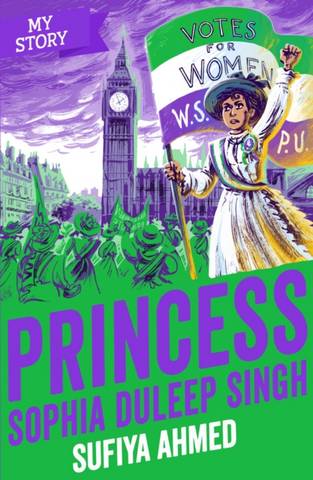
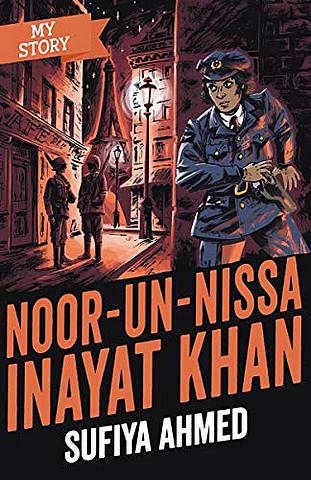
My books celebrated figures such as Noor Un Nissa Inayat Khan, a Muslim heroine spy of WWII, and Princess Sophia Duleep Singh, a prominent suffragette. I also included the stories of Indian soldiers who served in the Second World War and were awarded the Victoria Cross, the highest military decoration for gallantry. These were celebrated contributors, but I also wondered about the ordinary people who lived in Britain as British colonial subjects.
My research took me back to the earliest days of South Asian presence in Britain, beginning when the first Elizabethan ship sailed to India under the merchants organization which came to be known as the East India Company. Most early visitors were Indian royals or wealthy individuals, drawn by curiosity about the island nation that was gradually coming to rule them, and so much of the world.
But it was one particular story that captivated me—a teenage boy brought from India to London to entertain guests in a wealthy home. His new life in Britain was marked by a form of slavery where he was displayed in front of guests for his brown skin. His only record survives in the execution archive, where it’s documented that, in an act of rebellion, he tried to escape and set fire to the house—whether deliberately or not is unclear. Ultimately, he was arrested and executed for this act.
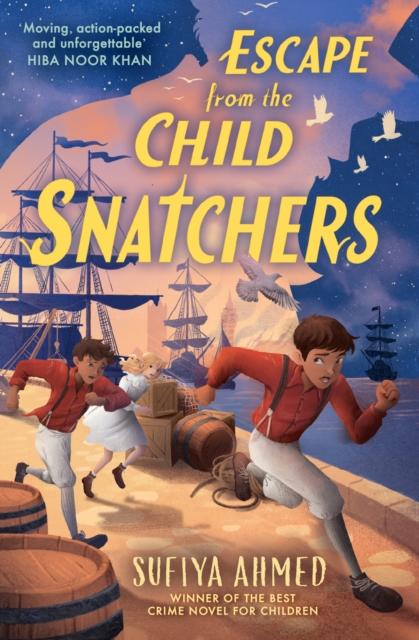
It was this single real life story that inspired the tale of Escape From The Child Snatchers. Humza and Ranj, my two central characters, journey from India to England on a quest to find Humza’s missing brother. They are pursued for their brown skin by child snatchers on the streets of London, but it is the kindness and support of local East London residents that offers them hope and a way out.
~
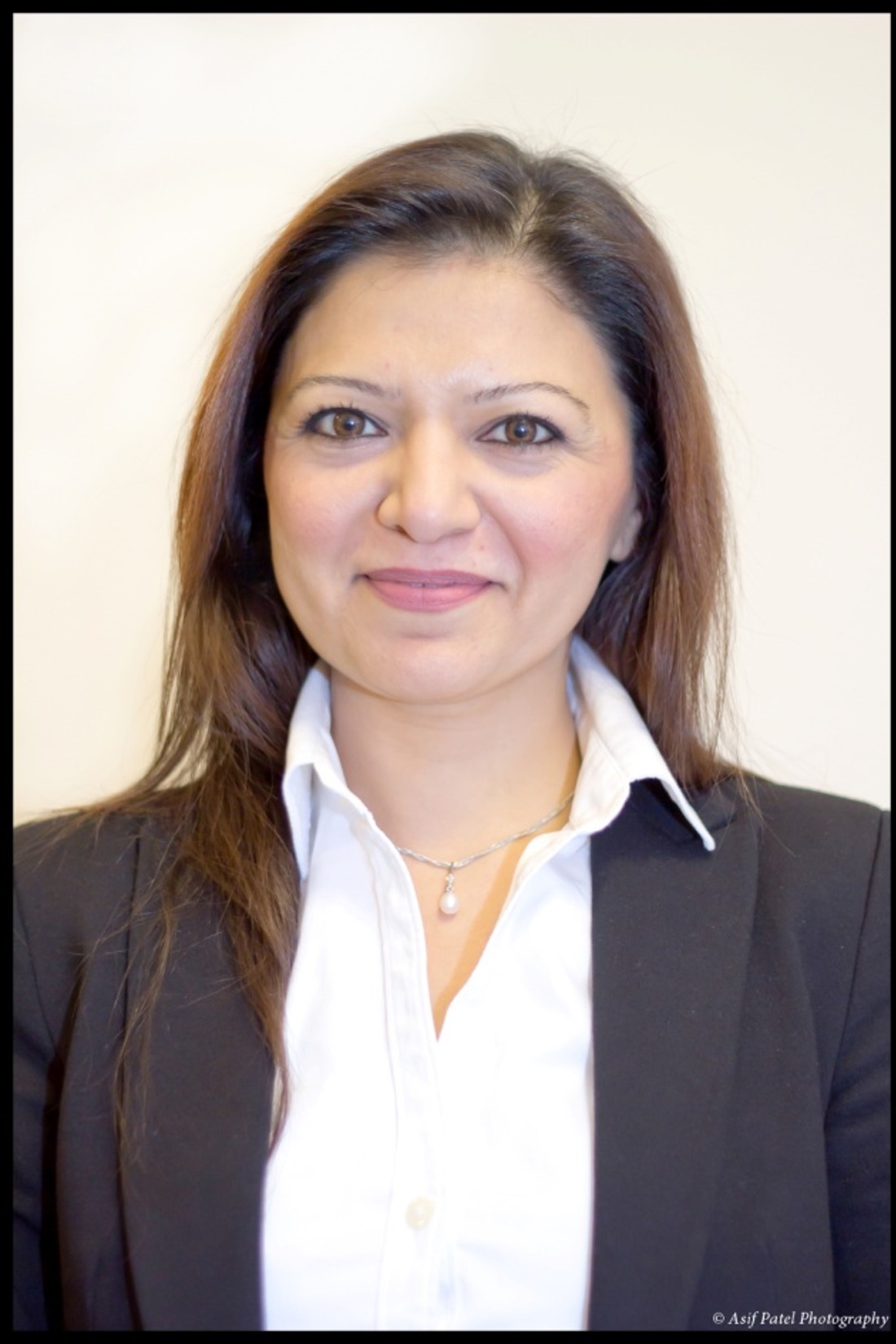
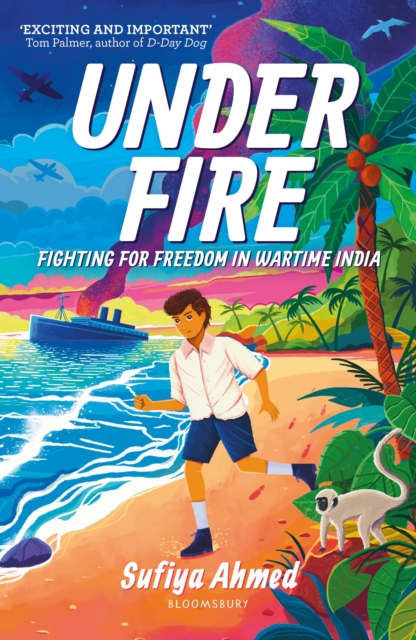
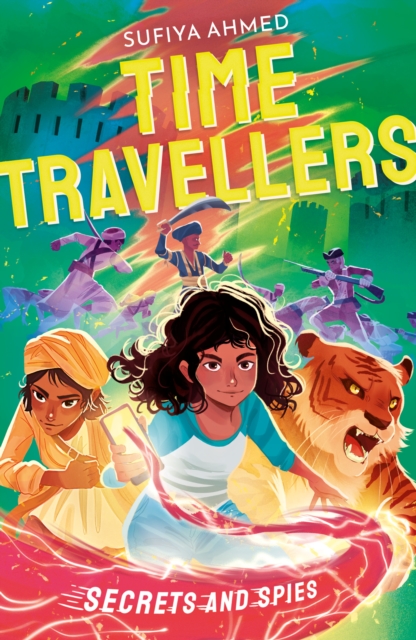
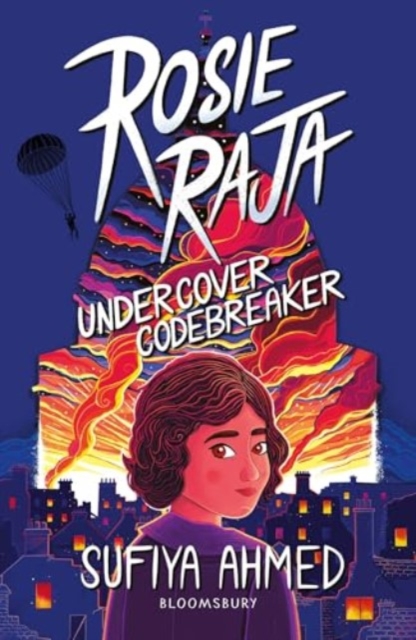
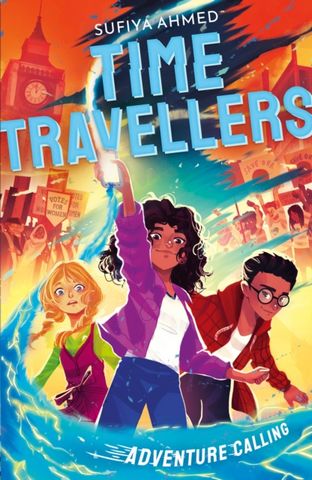
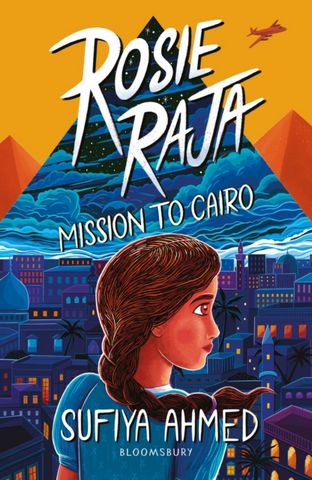
Many thanks to Sufiya for her books for children and this blog. Sufiya Ahmed was born in India and arrived in the UK as a baby. She lived in Bolton, Lancashire, before moving to London where she still lives. Sufiya has worked in advertising and in the House of Commons, but is now a full-time author. In 2010 Sufiya set up the BIBI Foundation, a non-profit organisation, to arrange visits to the Houses of Parliament for diverse and underprivileged children. You can see Escape from the Child Snatchers and all of Sufiya’s other historical books for key stage 2 and 3 below.