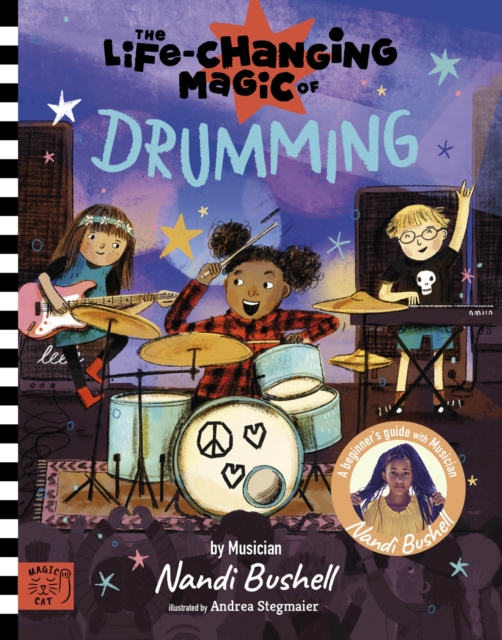
Primary music books introduce children to the world of music, helping them learn about rhythm, melody, instruments, and musical notation. These resources provide structured lessons on key musical concepts, often combining theory with practice through songs, activities, and interactive exercises. By making music education fun and accessible, primary music books nurture creativity and encourage children to explore their musical abilities.
Many of these books include simple exercises in rhythm and pitch, helping children develop an ear for music and understand how melodies are constructed. Whether learning about instruments like the piano, guitar, or percussion, or studying how music is written and performed, children gain a comprehensive introduction to the art of music-making. These books often encourage group activities, such as class performances, singing in a choir, or playing in a school band, helping children develop teamwork and collaboration skills.
In addition to teaching music theory, many primary music books include cultural explorations of different music genres and traditions from around the world. This allows children to appreciate the diversity of musical expression and understand the role music plays in various cultures, fostering global awareness.
Teachers benefit from these resources through structured lesson plans, performance tips, and assessment ideas, making it easier to integrate music into the primary curriculum. Whether used in individual or group settings, primary music books provide children with a solid foundation in music that supports both cognitive and emotional development.