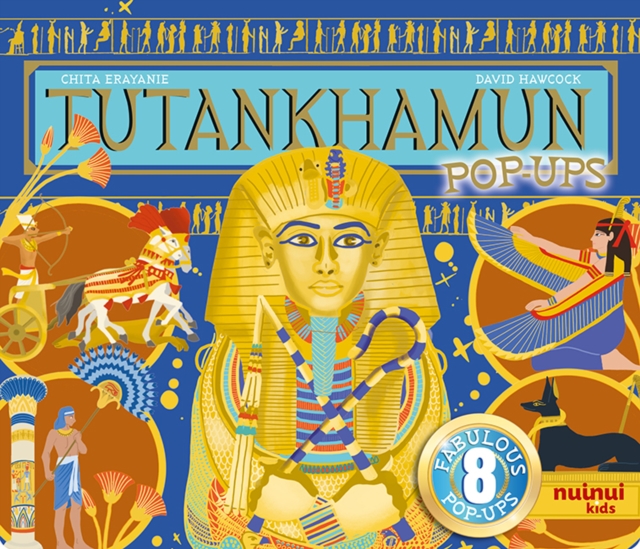
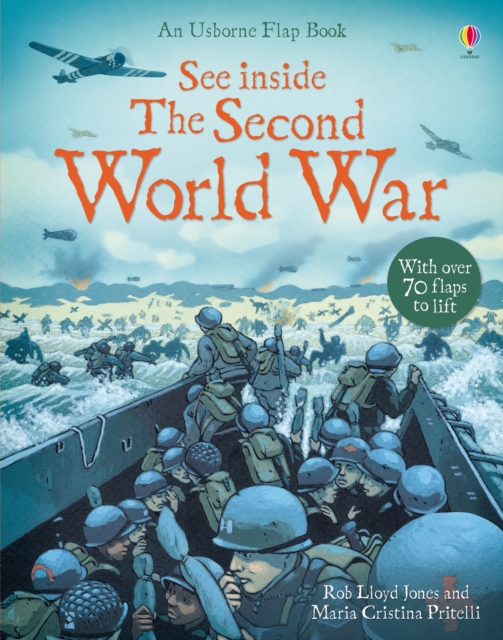
Introducing history to young learners through early years history books is a powerful way to spark curiosity about the past and develop critical thinking skills. These books are designed to make historical concepts accessible to young children, using simple language, engaging illustrations, and relatable narratives. By connecting children with stories from the past, history books help them understand the world around them, laying the groundwork for future learning.
Early years history often focuses on key themes such as significant figures, events, and everyday life in different time periods. Through this, children begin to grasp important ideas like cause and effect, change over time, and the concept of chronology. Early exposure to history also helps foster an understanding of society and community, as children learn about how people lived, worked, and interacted in the past.
For teachers and educational institutions, incorporating early years history books into the curriculum is an excellent way to introduce young pupils to foundational concepts. These books are ideal for encouraging discussions around historical events and people, allowing children to explore themes such as fairness, cooperation, and innovation.
Furthermore, early years history supports the development of language and comprehension skills as children engage with non-fiction texts, ask questions, and make connections to their own lives. Through carefully curated stories and facts, history books for young learners inspire curiosity and pave the way for a lifelong interest in learning about the world’s past.