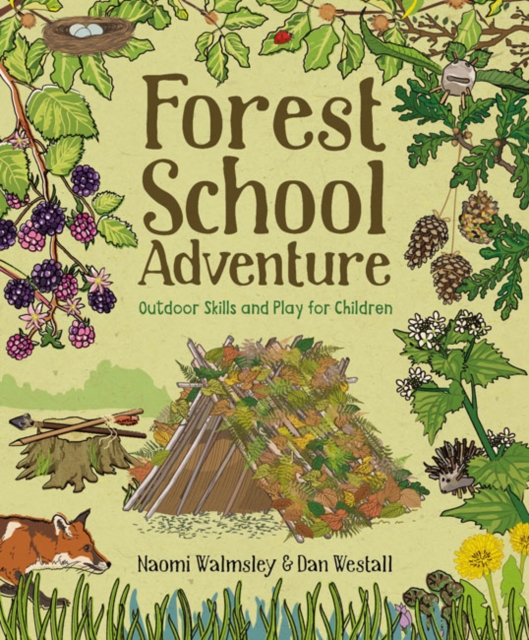
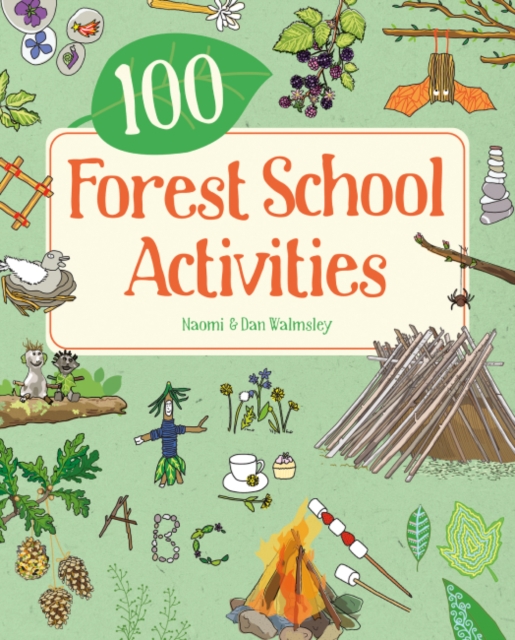
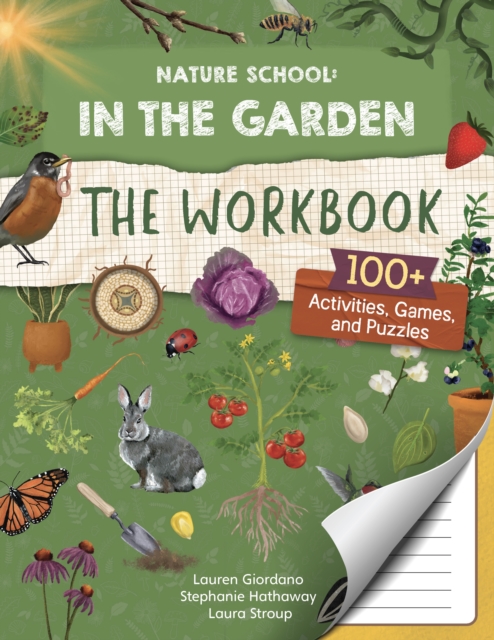
Early years forest school teaching resources provide a creative way for children to engage with the natural environment while developing essential skills like problem-solving, teamwork, and independence. These resources often include outdoor activities such as identifying plants, exploring wildlife, building shelters, and hands-on environmental education. By encouraging outdoor play and exploration, forest school promotes physical development and a deeper connection with nature.
Through child-led learning, forest school activities help nurture curiosity, creativity, and resilience, while fostering a sense of responsibility for the environment. This holistic approach supports physical, emotional, and cognitive development, making it a valuable addition to early years education.
Early years forest school resources also emphasise collaboration and communication, as children often work together to solve challenges in outdoor settings. The hands-on nature of these activities helps young learners develop fine and gross motor skills as they engage with their surroundings, whether by climbing trees, collecting natural materials, or navigating trails.
For teachers and educators, these resources offer structured yet flexible activities that can be adapted to different outdoor settings, allowing children to connect with their local environment and community. Lessons often include storytelling, sensory exploration, and environmental stewardship, teaching children about the world around them in a way that’s engaging and relevant to their lives.
Incorporating forest school into early years learning encourages children to take risks, build confidence, and develop independence, while also laying the foundation for future learning in science, geography, and environmental studies. By fostering a sense of adventure and a love for the outdoors, forest school helps children develop the skills they need to thrive in both their educational journey and personal growth.