What’s the biggest misconception about poetry?
That it’s pompous or snobbish. It really isn’t. Poetry can be funny, deep, clever, romantic, musical. Rap is poetry. Song lyrics are poetry. The idea that it’s only for literary elites is completely wrong.
Why do you love it?
It’s the most cathartic thing in my life. Whether I’m happy, sad or angry, I can channel it into writing and I always feel better afterwards. If it can help others the way it helps me, then it’s an incredible gift to share with the world.
Poetry is often more enjoyable than children expect. What would you say to kids unsure if poetry is for them?
I’d tell them The Gruffalo is poetry. Your favourite song is poetry. The way you remember “Remember, remember the fifth of November” is poetry. It’s everywhere. Once you realise that, you start to see how much there is to enjoy.
What would you suggest to teachers who are hesitant to teach poetry?
Make it playful. Let children be silly and creative. Give them permission to explore ideas freely. Yes, there are rules in poetry, but they can all be broken. What matters most is that the poem contains a piece of the writer and their view of the world.
What is the potential of poetry?
To me, poetry is both pointless and limitless. In day-to-day life it doesn’t earn money or fix practical problems. But in moments when you feel lost, alone, in love, or overwhelmed, a poem can offer connection. It can condense feelings you can’t quite grasp and present them in a way you can recognise and process. In those moments, a poem can be magical and can feel more valuable than gold.
~
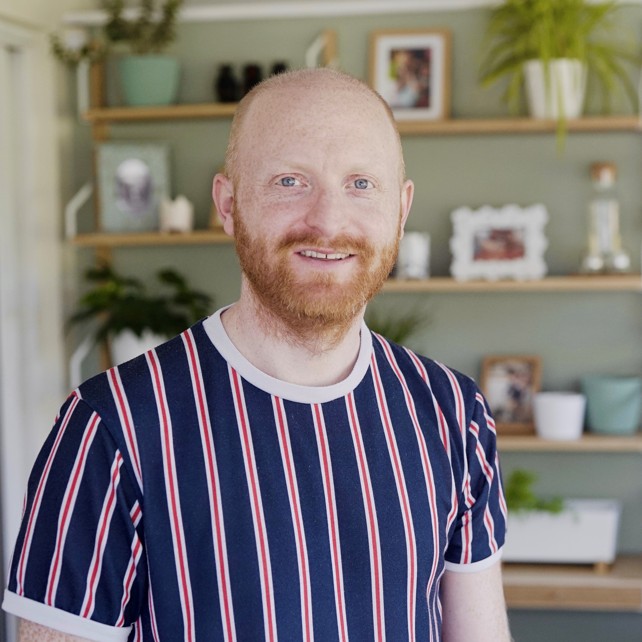
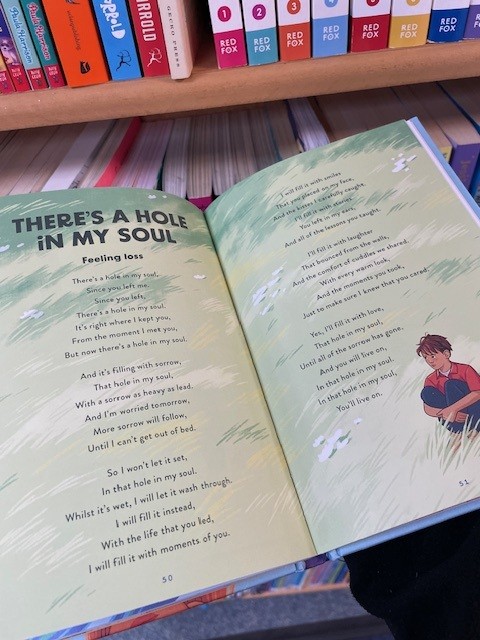
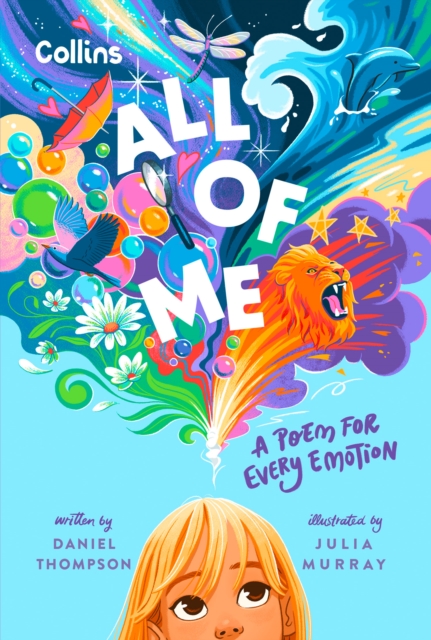
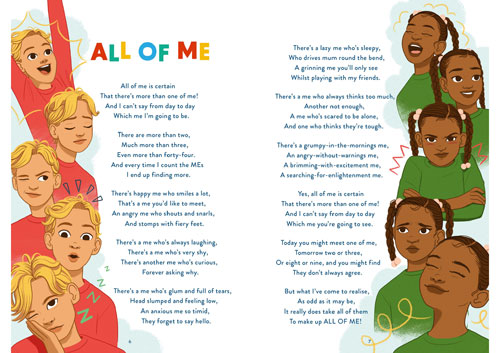
Many thanks to Danny for sharing these answers. You can find out more about Danny’s poetry collections below and get details about him visiting your school via his website here.

 We have poetry on our minds all through the month of March as part of our year long celebration of all things books and reading for The National Year of Reading 2026.