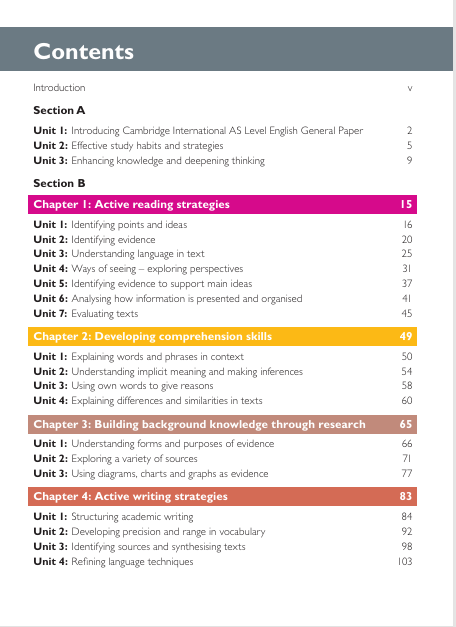
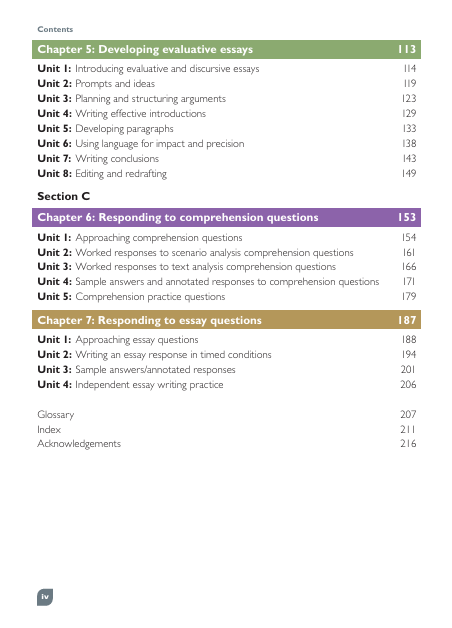
Before students examine information itself, they must first understand the form of the resources from which it comes. While written texts are often the primary teaching tool, chapters such as Building Background Knowledge Through Research from the Collins Student’s Book emphasises the value of including audio and visual sources also such as podcasts, videos and even photographs. The chapter also guides students in working with visual representations like charts and graphs, which are frequently overlooked by students but function as “mini texts” that deserve analytical attention also.
From each resource, students should identify purpose, audience and tone. Recognising purpose helps explain why information is presented in a certain way, while understanding audience and tone reveals the author’s intentions and possible biases. An organisation’s website may inform as well as persuade a certain viewpoint or a news report may subtly reflect the interests of its readership. Because every resource is shaped by a perspective, students must learn how a creator’s viewpoint influences the information presented. Students should ask:
- Who created this resource?
- What stake might they have in the issue?
- Whose voice or perspective is missing?
Connecting viewpoints to the stakeholders behind them makes evaluation more concrete. For example, a piece on energy policy might originate from a government ministry, an environmental organisation or an energy corporation, each with different motivations. Identifying these interests does not disqualify the source; rather, it encourages students to seek complementary resources to form a balanced argument. Teachers can use the Collins Student’s Book – with its many annotated text excerpts – to strengthen students’ ability to explore differing perspectives, a skill essential to the AS Level English General Paper course.
Once students understand a resource’s purpose and perspective, they must assess whether the information is suitable for use. Effective evaluation requires examining whether evidence is reliable, credible and valid. The scaffolded, targeted tasks in the Collins Student’s Book – moving from introduction to final task – give students consistent practice applying active reading strategies. Students should routinely ask:
- Is the evidence complete or is something missing?
- Does the resource present only one side of the issue?
- Is the example representative or extreme?
Strong evidence is both accurate and well chosen. Students must learn to reject weak, anecdotal or irrelevant examples and replace them with relevance that strengthens their analysis. A critical part of evaluation is determining whether a resource presents a clear, coherent line of reasoning. Many students accept claims at face value without examining how they are constructed. Even reputable sources may include flawed arguments. Teaching students to recognise these patterns enhances their ability to select meaningful, reliable evidence, an essential skill for writing essays on topics of today. Instructional reminders explored in the Collins Student’s Book include:
- Identify unsupported generalisations.
- Notice extreme examples presented as typical.
- Detect bandwagon reasoning or repetition of popular views without evidence.
Charts, graphs and infographics often intimidate students, leading them to treat visuals as optional. Yet visual data can be among the most compelling forms of evidence, especially in today’s data-driven world. Students should also learn how data can mislead. Truncated axes, small sample sizes and selective time frames can distort interpretation. Recognising these issues deepens analytical skill. The Collins resource provides a consistent strategy for students to:
- Read the title, axis labels and units.
- Identify trends, comparisons and outliers.
- Understand how the data was collected and presented.
Although these practices support success in the AS Level English General Paper, their importance extends far beyond exam preparation. Today’s students, who are tomorrow’s adults, must navigate information systems shaped by algorithms, selective reporting and AI‑generated outputs. They must learn, as consumers, not to not to consume indiscriminately. Thoughtful consumption of information requires research, skepticism and discernment.
Teaching students to evaluate information is one of the most vital responsibilities of modern educators. When students can identify resource types, analyse arguments, recognise stakeholder perspectives, judge credibility and interpret visual data, they become stronger writers and more informed citizens. In a world where information is abundant and authenticity is uncertain, these skills help students meet academic demands and navigate real‑world issues with intellectual maturity.
~
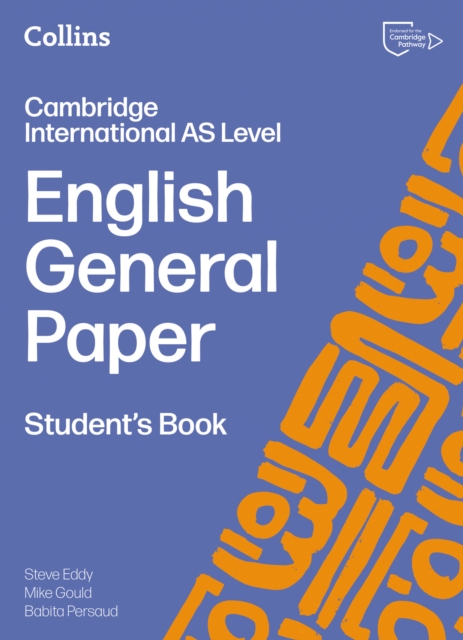
Read more about Collins Cambridge International AS & A Level English General Paper using the link below. Schools save up to 35% on this title.