
See inside...


Remember, you can get these blogs straight to your inbox by signing up here 🙂

Non Fiction: Key Stage 2 – Space, Design Technology, History, Biographic
Illustrations in non-fiction are so important as they convey facts. What sort of art mediums do you use and how do you decide which factual parts to illustrate?
Which spread was the most satisfying to complete and why?
What would you say to children who like drawing but don’t feel like they are any good at it?
What is your favourite thing to draw?
What’s the: Worst bit, Best bit, Random Rest bit (no positive or negative just interesting) thing about illustrating books for children?

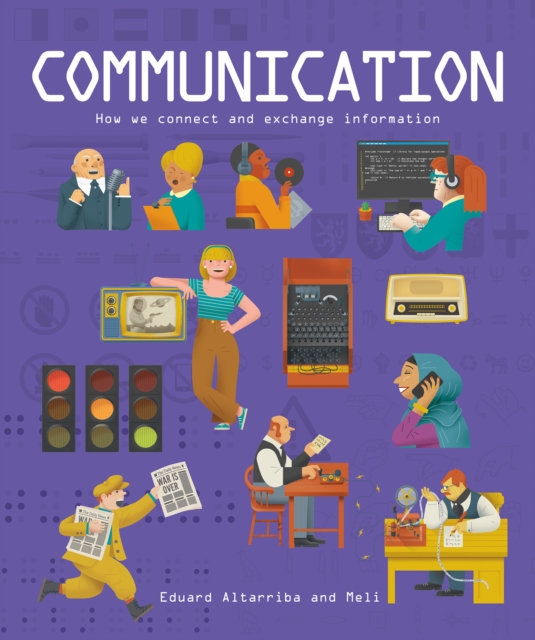
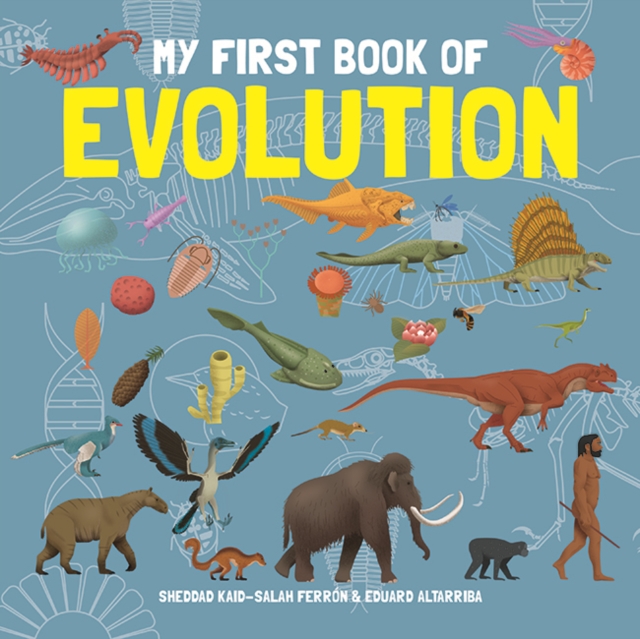


Fiction: Reception/Key Stage 1 – Music, PSHE, BAME
Illustrations are so important to picture books, what sort of mediums do you use and what is the process from reading the story to having ideas to holding your illustrated book?
I usually start by drawing in pencil on white photocopy paper. I like to draw on sheets of paper rather than in a sketchbook. Sketchbooks can feel a little bit too precious! I tend to do lots of drawings and rather than rubbing out lines or correcting mistakes I’ll just quickly start again and throw away any drawings I don’t like. I draw quite quickly, that’s because I’m trying to capture the movement and personality of a character rather than a precise representation of someone or something.
When I have some pencil drawings that I’m happy with I’ll start again, but this time using different sized brushes and black ink. Then I’ll scan into the computer a mixture of pencil and ink drawings and these will be the starting point for me working in colour. I use Photoshop to create the final pieces of art.
Once the artwork has been completed and approved by the publisher the digital files are sent to the printers to be proofed. The proofs are used to check that the printed colours match or are as close as can be to the original art. It usually takes me three to four months to complete the artwork for a picturebook. Often it can be six months to a year before you can hold the finished printed book in your hand!
Which spread was the most satisfying to complete and why?
For me there was something special about completing the spread where the girl is swinging on a swing in the brilliant sunshine. ‘Sun in the sky… you know how I feel’
It wasn’t the first spread that I completed, but it was the first one that I felt had the right ‘feel’ to it. The vivid colours, the lively composition, the way the girl is swinging on the swing, I felt that this spread captured the sprit of the song.
What would you say to children who like drawing but don’t feel like they are any good at it?
If you like doing something then chances are you’ll be happy to spend time doing it! The more you draw, the more you can experiment with what works and what doesn’t work for you! A so called ‘good’ drawing doesn’t need to be a perfect representation of something. So the trick is not to be too self-critical, keep drawing, keep trying different techniques and see where it takes you!
What is your favourite thing to draw?
I love drawing natural forms. The natural world is endlessly fascinating and beautiful. Apart from squirrels! I find squirrels impossibly hard to draw! I can never quite get them looking like squirrels! Unfortunately squirrels pop up in most of my books, there’s even some in this latest book of mine.
What’s the: Worst bit, Best bit, Random Rest bit (no positive or negative just interesting) thing about illustrating books for children?
Do you like drawing and painting? Do you like working on your own? Are you happy for people to make suggestions on how to improve your artwork? If you answered yes to these three questions then you might like being an illustrator! The not so good bit is working long hours on your own.The best bit is hearing from people online or in person and they tell you how much they enjoyed something that you’ve created. I really like that picturebooks are made to be around a long time, they can be enjoyed and shared over and over again. In a world of fast paced change that’s a very satisfying thought indeed.


Non Fiction: Key Stage 1/2 – Mysteries, Supernatural, History
Illustrations in non-fiction are so important as they convey facts. What sort of art mediums do you use and what’s the process from reading the information and deciding how and what to include / fit it onto the page?
Which spread was the most satisfying to complete and why?
What would you say to children who like drawing but don’t feel like they are any good at it?
What is your favourite thing to draw?
What’s the: Worst bit, Best bit, Random Rest bit (no positive or negative just interesting) thing about illustrating books for children?


Fiction: Reception/Key Stage 1 – Funny, Animals, Seas & Oceans
Illustrations are such an important part of picture books. What sort of art mediums do you use and what’s the process from reading the story / having ideas all the way through to holding your finished book? My process all starts after reading the layout or manuscript from the publisher, and then it’s character design tiiime! This is where I draw hundreds of the same characters until it sort of evolves into my final characters which I then draw in several poses to send to the publisher for approval. Next- I go through and do sketches in the margins of initial ideas, and thumbnails (small drawings to map rough compositions) of every page and vignette. Then I draw up my favourite thumbnails as roughs to then send to the publisher for approval. Once approved it’s time for final art! I use a mixture of pencil, colour pencil, water colour and dry brush and ink to create the line work, textures and values. Then I scan everything in, and layer it all up on photoshop, For the Pet Lover’s Guide series, I colour adjusted my textures on photoshop to help make it nice and vibrant!
Which spread was the most satisfying to complete and why? My favourite spread was the one of the characters racing under water. I loved thinking of all of the details and hiding little eels in the grass or random gnomes for children to spot, and silly things for the grownups that read them to see (like the door from the Titanic movie that Jack and Rose were on).
What would you say to children who like drawing but don’t feel like they are any good at it? I would say that anyone can draw- it’s not a talent that someone is born with, it just takes knowledge and practice. Once you know how, you can do it too! Also embrace the imperfections- it’s what makes your art unique and beautiful!
What is your favourite thing to draw? Dogs! (Dalmatians! Specifically). They’ve always been my favourite animal! Also Cats are super fun because they can be any shape- they’re like a fluffy liquid!
What’s the: Worst bit, Best bit, Random Rest bit (no positive or negative just interesting) thing about illustrating books for children? Worst bit: that I get hand cramp and back ache and square eyes. Best bit: I love drawing- it feels like flying- it’s super relaxing, and I love escaping into the image I’m drawing and getting lost in the world I’m building. Most interesting: that there is always more to experiment with and learn. Materials, colour palettes, compositions, lighting, subjects- the only limit is your imagination!


Fiction: Key Stage 2 – Funny, Detective, Animals
Illustrations are such an important part of you book. What sort of art mediums do you use and what’s the process from having ideas all the way through to holding your finished book?
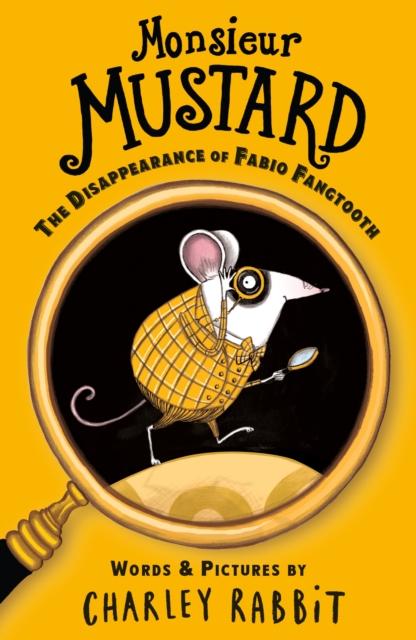
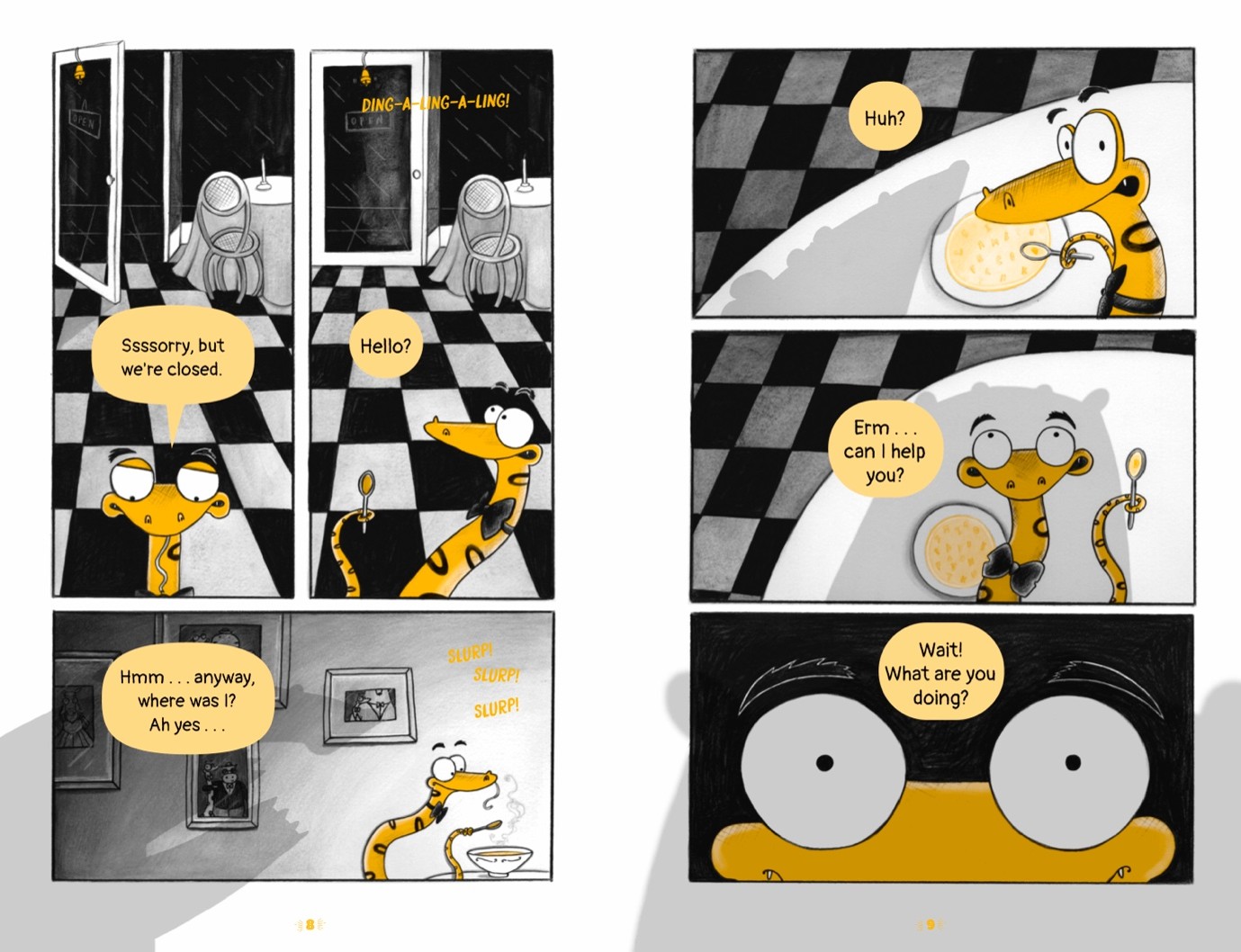
Character design is very much part of my day-to-day as a greeting card designer. I’m constantly surrounded by paintings of little creatures, and some of them feel like they have a story beyond the greeting card they were designed for, so that’s where a lot of my ideas for characters start. Some of the characters want more than birthdays and Christmas wishes. The sausage dog wanted adventures. The fox had stories to tell. And Monsieur Mustard? He simply wouldn’t stop talking about his dazzling detective cases.
My art is created with a combination of acrylic, ink and coloured pencils. When I write the story, I think visually so the illustrations are part of the story from the very beginning. The more action-packed scenes tend to lean heavily into illustration to add to the drama for little readers.
What would you say to children who like drawing but don’t feel like they are any good at it?
Oof… I’m afraid that feeling is basically the entry fee of doing anything creative. And I don’t think anyone gets away with not feeling like that. I’m not a big believer in this “you either have talent or you don’t” thing. It’s like when you start playing an instrument — every tune you play sounds like a cat stuck up a tree! But if you love playing that instrument — if you love drawing — you’ll keep going anyway. And with patience, perseverance, and a good amount of stubbornness, that voice that says “Hmm… you’re not very good, are you?” gets quieter and quieter, and eventually, if you let it, it can become something that actually motivates you to get better. Mine is now like a softly spoken, rather lovely old friend.
I will say this as well (although it may sound a little contradictory): don’t listen to other people too much when it comes to your art, because it’s yours. And the thing that’s going to make your art unique and special is that YOU made it, because there’s only one of you. Remember that.
What was your favourite animal to draw?
My favourite animal to draw is definitely the cat (don’t tell Monsieur Mustard), because there is so much comedy in their personalities to play with, and there is always a slightly evil glint in their eyes.
What’s the: Worst bit, Best bit, Random Rest bit (no positive or negative just interesting) thing about illustrating books for children?
The best bit is that moment when something clicks visually — when a character finally lands on the page and suddenly feels like they have been living there all along. And the worst bit is, well, when they don’t.
A random bit about creating this story in particular for me was designing the costumes for the characters, because fashion and costume in film especially is a huge interest of mine outside of work. So, for example, I had to design the uniforms for the police pigeon characters, but they couldn’t just have normal skinny sleeves — because they have to fly. So, after quite a lot of sketching, and a frankly suspicious amount of time spent staring at pigeons on the rooftops outside my window, I settled on a kimono-style sleeve. And judging by the aerial acrobatics the pigeon characters pull off in the book, it turns out it was a very practical design choice indeed.


Fiction: Reception/Key Stage 1 – Heartfelt, Animals, Families
Your illustrations are so gloriously unique and striking. What inspired this medium and what was the process from writing the story/having ideas to holding your illustrated book?
Which spread was the most satisfying to complete and why?
What would you say to children who like drawing/illustration but don’t feel like they are any good at it?
What is your favourite thing to draw?
What’s the: Worst bit, Best bit, Random Rest bit (no positive or negative just interesting) thing about illustrating books for children?


