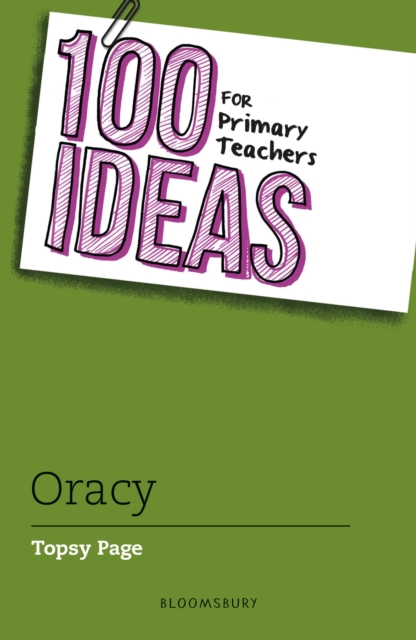
CPD & Teaching Resource Library: 100 Ideas for Primary Teachers Oracy by Topsy Page

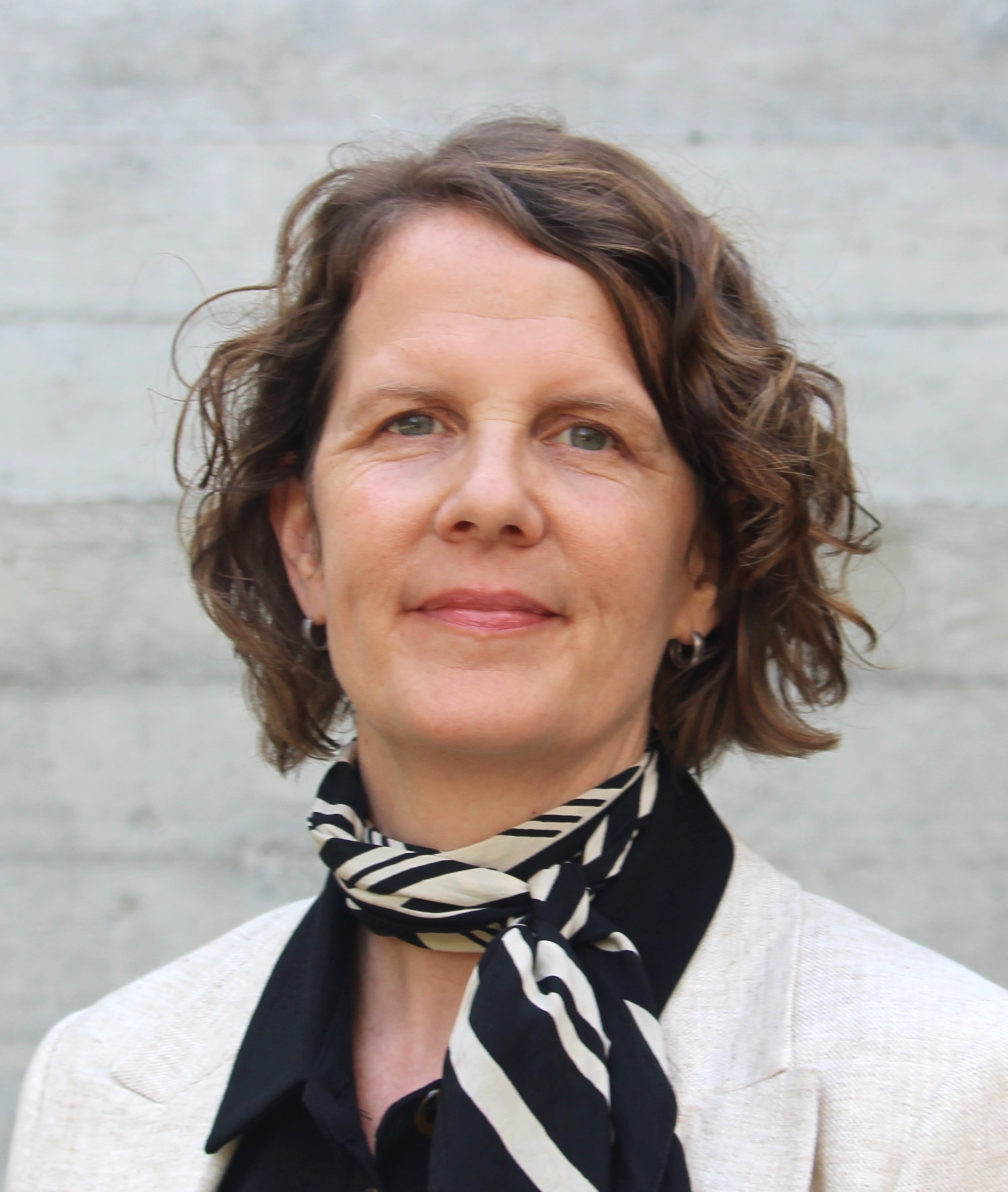
Topsy Page has worked in education for many years.

Her new book 100 Ideas for Primary Teachers Oracy takes her long years of work in Oracy teaching and offers resources and ideas for teachers navigating the explicit teaching or Oracy in their classrooms.

The ideas of teaching Oracy are not as far along in the teaching of literacy however Topsy is “convinced that developing a culture of productive talk which truly values pupil explanations, questions and reasoning, can change the way pupils view teachers, and the way pupils see themselves.  It can completely transform the learning environment”.

We invited Topsy to share a little bit what Oracy is, the important role it plays and what she hopes her book will offer teachers looking to implement more Oracy in their teaching…
Tell us about you

I’ve worked in education for twenty years, including being a primary teacher and assistant head.  I now work with schools on talk/oracy and P4C (Philosophy for Children).

I’m an Associate of Oracy Cambridge, a group of academics and practitioners who raise awareness of the importance of effective spoken communication, and provide evidence-based professional development on oracy education and dialogic teaching.

What is oracy and why is it important?

Oracy means the ability to speak and listen.  More people are starting to use this word, although it’s not yet as well-known as the related words literacy, the ability to read and write, and numeracy, the ability to understand and work with numbers.

People sometimes assume oracy is all about public speaking but in fact, public speaking is just one of many examples of using oracy.  People use speaking and listening skills every day in all kinds of situations, for example friends chatting, family discussions, and conversations at work.  We might also use our oracy to solve difficult problems, to help us manage our emotions, and to stand up for ourselves and others.

Oracy in schools means teaching children how to talk, teaching them about talk, and using speaking and listening as a way to deepen their learning across the curriculum.

We sometimes take speaking and listening skills for granted, but really they are just like any other skill – we can improve them through learning, practice and reflection.  Oracy practitioners like me believe that every child should have the opportunity to do this, just as much as they should have the opportunity to improve their skills in other curriculum areas.  I’ve seen many examples of children who at first appeared ‘shy’ or ‘quiet’ blossoming into confident communicators – they just needed opportunities to find their voices!

What does ‘teaching them about talk’ refer to?

Spoken language has developed over thousands of years and there are many, many ways to use it.  An example of this is how even within one language there may be hundreds of different dialects.  Another example is the way that skilled speakers change their speaking style for different situations, depending on whether they want to stand out or fit in, whether they want to appear informal or serious, what feelings they want to evoke, and so on.  There are power dynamics in spoken language too – some ways of speaking may be treated as higher status than others.

When children are aware of all this they are better able to understand how others use spoken language, and can make choices about how to use and develop their own.

How does speaking and listening deepen learning?

There’s significant evidence that talking and thinking are intrinsically linked.  There’s also evidence that talking together with others (sometimes called ‘interthinking’) allows us to develop our thoughts better than we would on our own.

Speaking and listening in classrooms in nothing new.  For example, most teachers ask questions and invite pupils to respond, and there are sometimes pair or group tasks where pupils communicate directly with each other.  What I want is to make sure that when we do these things, we do them in a really effective way so that we maximise their impact.  Pupil talk is a valuable resource for learning!

So for example, when we ask pupils to talk in pairs, we should make sure we give them a specific task to complete, and make them accountable for completing it.  There are lots of examples of how to do this in the book.


Why did you decide to write this book?

Teachers I work with started to ask me if I had a list of the techniques and strategies I recommend.  I didn’t, so first I created my website www.topsypage.com where I update my blog every Friday morning with strategies, thoughts and tips.

I felt that a book was a good way to bring together the best material and present it in a coherent structure so I approached Bloomsbury Education with the idea… a few years later here it is!  I’m really pleased with it; I’m proud that it’s been recognised as both rigorous and accessible.


Sneak Peek feature Beautiful e1765979343946

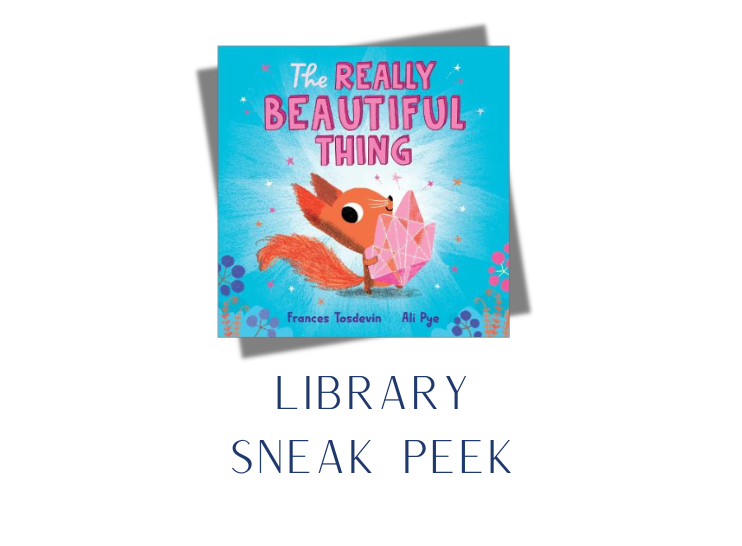
Library Sneak Peek: The Really Beautiful Thing by Frances Tosdevin & Ali Pye

Spotlight How We Used to Live feature

Introducing: How We Used to Live

Poetry by Heart Globe

Our Experience: Poetry by Heart

Author Event Josh Lacey 1 e1764842412373

Author Events: Josh Lacey