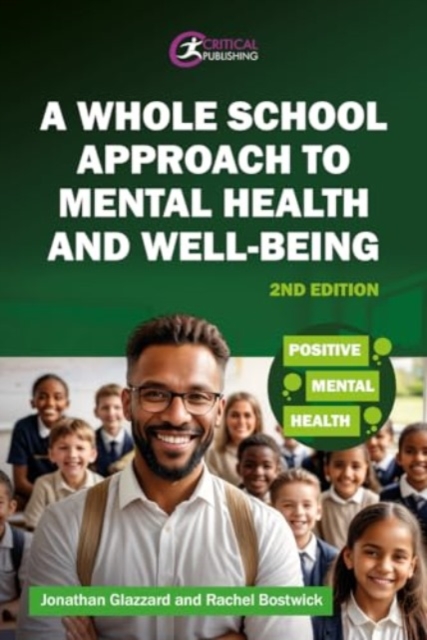
Jonathan Glazzard and Rachel Bostwick’s title A Whole School Approach to Mental Health and Well-being gives both Primary and Secondary schools a place to start in curating a whole school approach to mental health provision. This edition has been updated to ensure it is relevant in a post Covid 19 pandemic world.
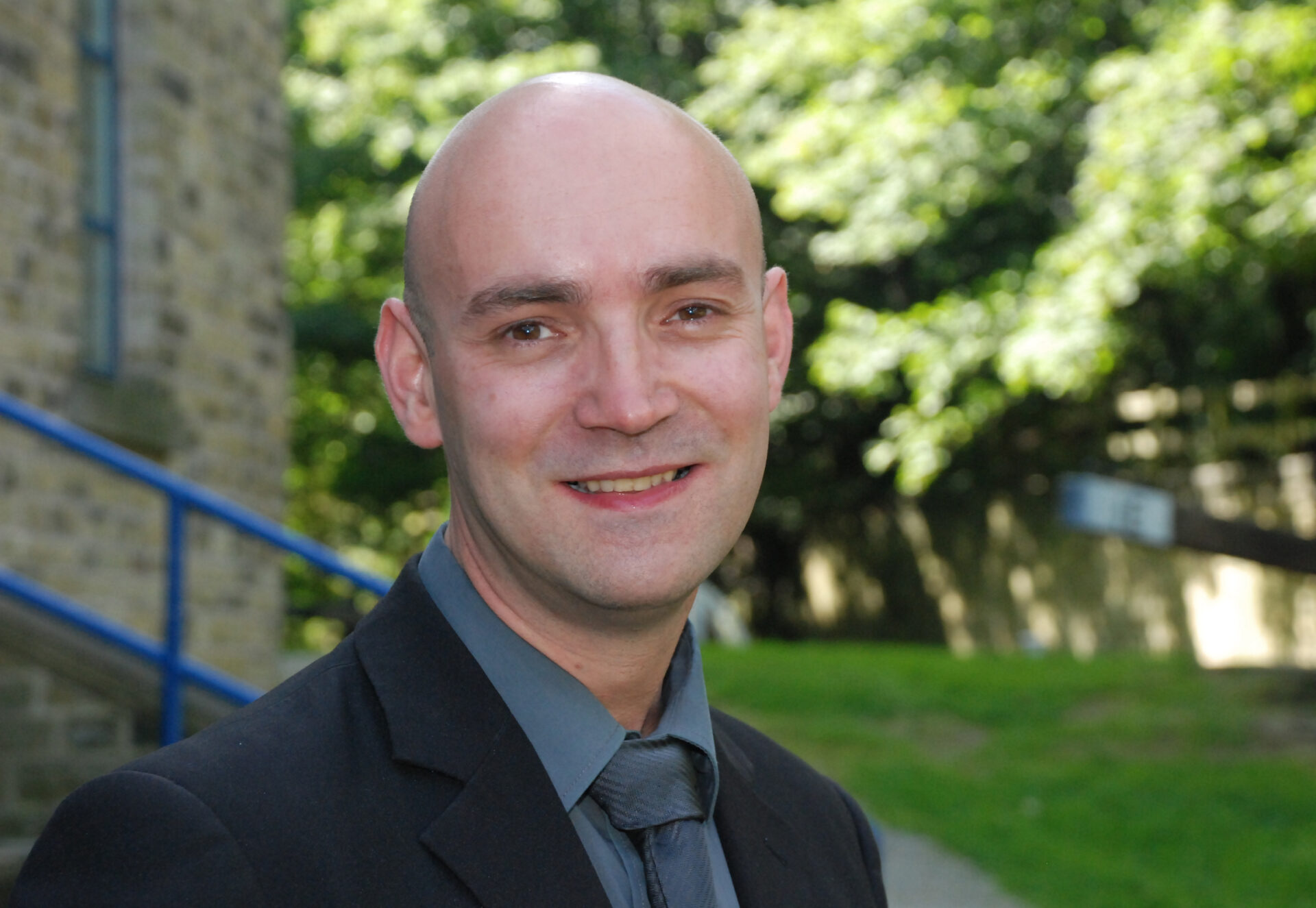 Jonathan Glazzard is the Rosalind Hollis Professor of Education for Social Justice in the School of Education at the University of Hull. His research focuses on the experiences of minoritised individuals and groups. Jonathan sits on the Editorial Boards of several journals, and is a co-convenor of the British Educational Research Association Special Interest Group, Mental Health and Wellbeing in Education. His current research focuses on the experiences of LGBTQ+ and disabled youth.

Rachel Bostwick is Senior Partnership and Enterprise Consultant and leads the Carnegie Centre of Excellence for Mental Health in Schools and the School Mental Health Award, which exists to strengthen the mental health of the next generation by supporting schools to make a positive change at all levels.
Jonathan and Rachel very kindly wrote for the blog about their co-authored title A Whole School Approach to Mental Health and Well-being…
~
This is the second edition of the book. The first edition was written pre-Covid and therefore we felt that the time was right to produce an updated version which specifically addresses the impact of Covid on children and young people’s mental health.
Statistics on mental health show that since 2017 there has been a sharp rise in the number of children and young people presenting with signs of mental ill-health. In addition, some groups of young people are disproportionally impacted and are more likely to experience poor mental health. These include children with disabilities, those affected by poverty, young carers and Black boys. Children from the poorest 20% of households are four times as likely to have serious mental health difficulties by the age of 11 compared to those from the wealthiest 20%. Since Covid, Ofsted has also expressed concerns about the increasing number of children who are absent from school due to severe anxiety and the shortage of mental health services to support schools at a time when the need for services is paramount. The BBC has also highlighted the lack of support for young people who are struggling with their mental health and emphasised the need for specialist mental health support teams to be available in all schools.
The book starts by exploring mental health and this is followed by a deep dive into the whole school approach to mental health. We outline each of the aspects of the whole school approach and invite school leaders to reflect on how well these aspects are embedded in practice. We have included a new chapter to support school leaders in designing a mental health curriculum. We have included specific age-phase considerations within this chapter and suggested some key components of the curriculum, including learning about resilience and digital safety.
We have included a new chapter on educational interventions to support young people’s mental health. In highlighting specific approaches, we recognise that there are strict boundaries which determine what educational settings can and cannot do in relation to mental health. We acknowledge that educators are not clinicians and therefore are not able to implement clinical interventions. However, we have also included new content on the role of the Education Mental Health Practitioner (EMHP). This is a key role because these practitioners are specifically trained in low intensity clinical interventions and can implement clinical interventions in educational settings. We have included some case studies from settings to illustrate the range of interventions that schools are delivering, and we have included research evidence which explores the efficacy of different interventions.
Given the concerning statistics on the wellbeing of staff who work in the education sector, we have written a new chapter which addresses staff wellbeing. We argue that staff wellbeing is a crucial component of the whole school approach, and we have supported this chapter with some rich case studies from schools to exemplify aspects of good practice in relation to staff wellbeing.
This second edition includes a new chapter which addresses vulnerable groups. We have included content on gender questioning children to support schools in addressing the needs of children and young people who fall into this group.
We have added a new chapter on age-phase considerations to support schools in addressing mental health in different phases of education. This is an important chapter because it will support schools to meet the needs of children in the early years, an area that is very often neglected in books.
The book includes more theories and new chapters. It is up-to-date, accessible and relevant to the current context.
Many thanks to Jonathan and Rachel for sharing their work on Mental Health and Well-being in schools. If you would like to find out more about their title please use the link to the left. There are exclusive school discounts on this title along with other CPD specific to schools titles.