:
Finding Inspiration
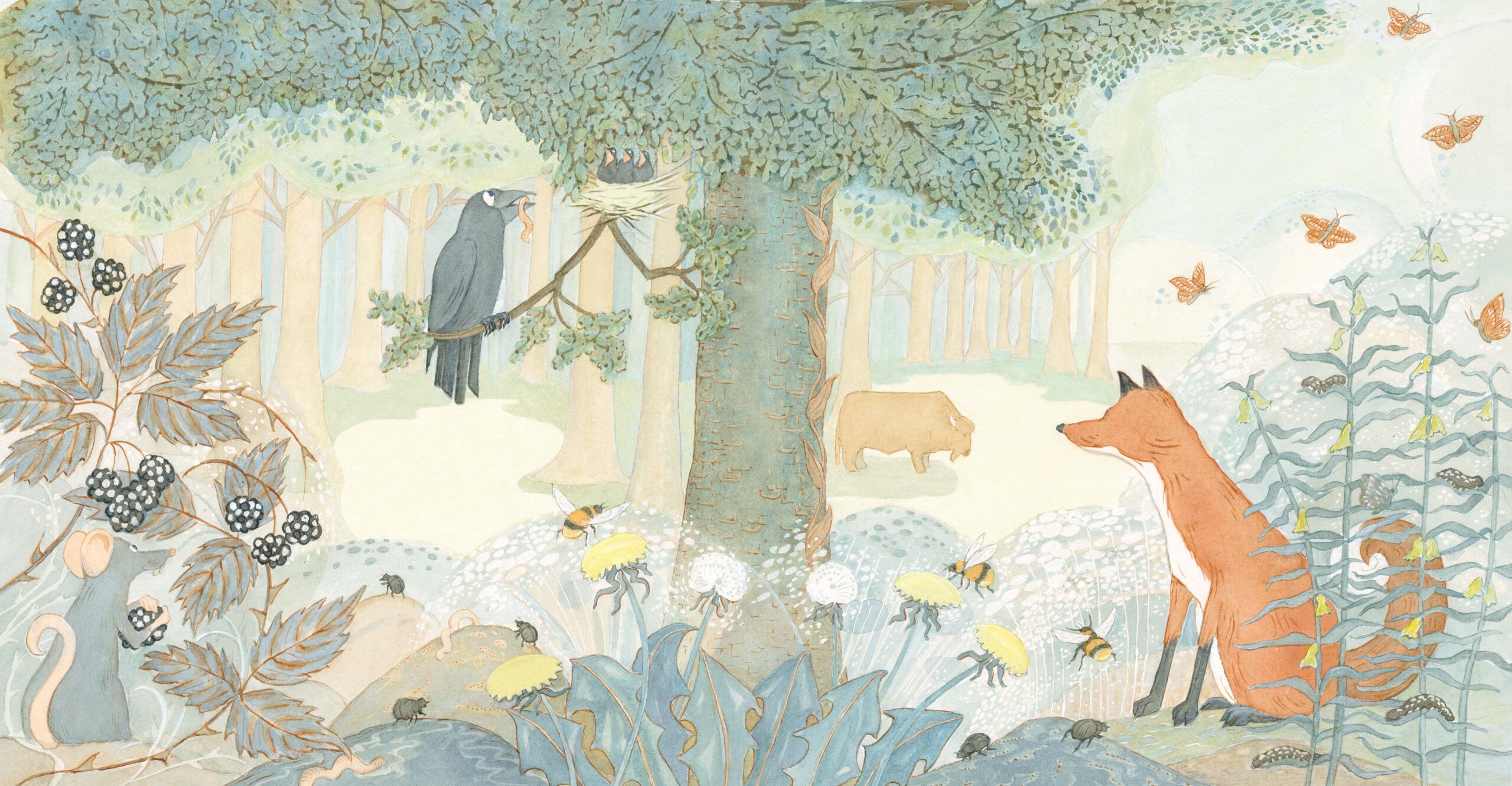
I find inspiration in everyday life. Nature is certainly a huge source of inspiration for me. From the patterns and textures in leaves/tree trunks/rocks, to the beautiful colours and variety of the seasons. I also draw inspiration from the vibrant colours of sunsets and atmospheric night time silhouettes. This reflects well in my upcoming non fiction book with Anna Wilson ‘ A Story of the Seasons’.
As a child I was lucky to have creative people around me that inspired me from my early years. My older brother was doodling a lot, and made up all kind of stories for me. I recall me being a fussy eater and him making up stories about the food on my plate or building dens with chairs and blankets around the house for us to play in. Also, my uncle and aunt are both art teachers, and their passion for art inspired me when I was a little girl. I spent several summers at their countryside home and we would go out and sketch the landscapes of rural Moldova together. Their tutelage was a massive inspiration in my life and career direction.
I find children very inspiring, with their curiosity and sincerity in every small detail. Now I have a three year old son and everyday he amazes me with how observant he is. We can’t indifferently pass a ladybird or woodlouse on a path without stopping and watching it for a bit. I think when you are spending time with a young child you get to rediscover the world again with a fresh eye.
Last but not least – beautifully illustrated books by other artists always fuel my imagination. I love Raymond Briggs work, especially the Snowman. I find Richard’s Jones books are absolutely beautiful and inspiring. Also Britta Teckentrup, Sara Ogilvie, Benji Davies, Dana Sosa, Jarvis are just a few names of talented people that inspire me with the lovely books they create.

Approaching a Project
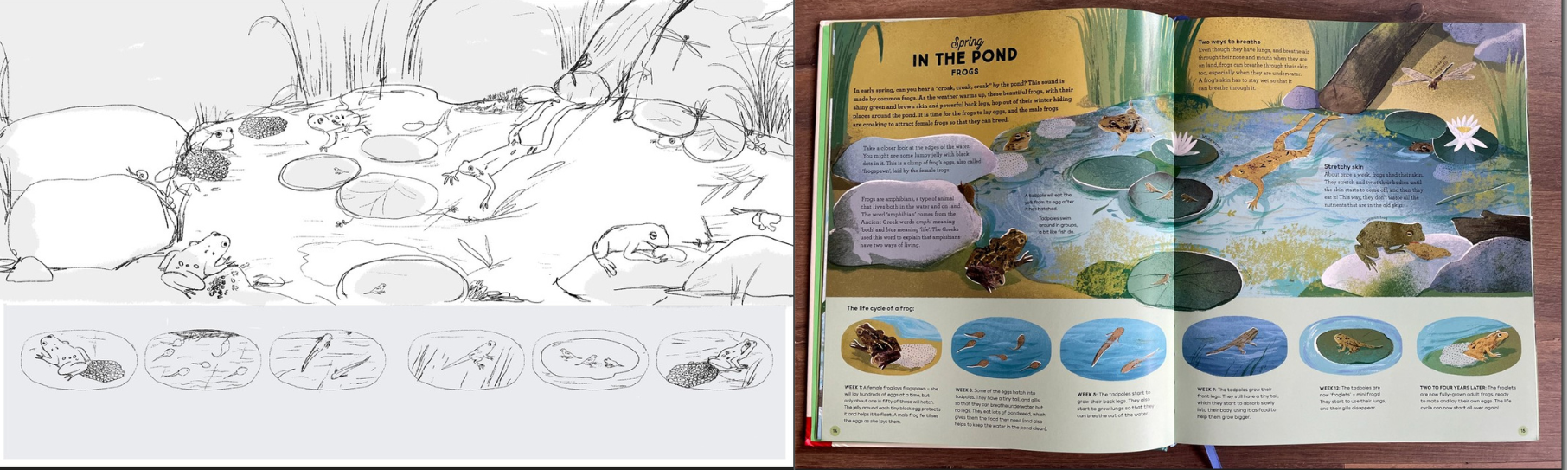
As an illustrator I always start with a pencil. Even with stories that I write, usually I begin with some character sketches. I also like to draw a very rough layout of the story, to see how it flows from page to page and if the idea would fit in a certain amount of pages.
When given a new text, my first step is to understand the text. I try to visualise its mood and the emotions it creates. I start by sketching characters and rough compositions, experimenting with layouts that complement the narrative. Keeping in mind the target audience, I collaborate closely with the editorial team to develop the project further. Once the initial sketches are complete, I send them to the designer/art director. After the feedback I refine and adjust them, then move on to my favourite part – the colour!
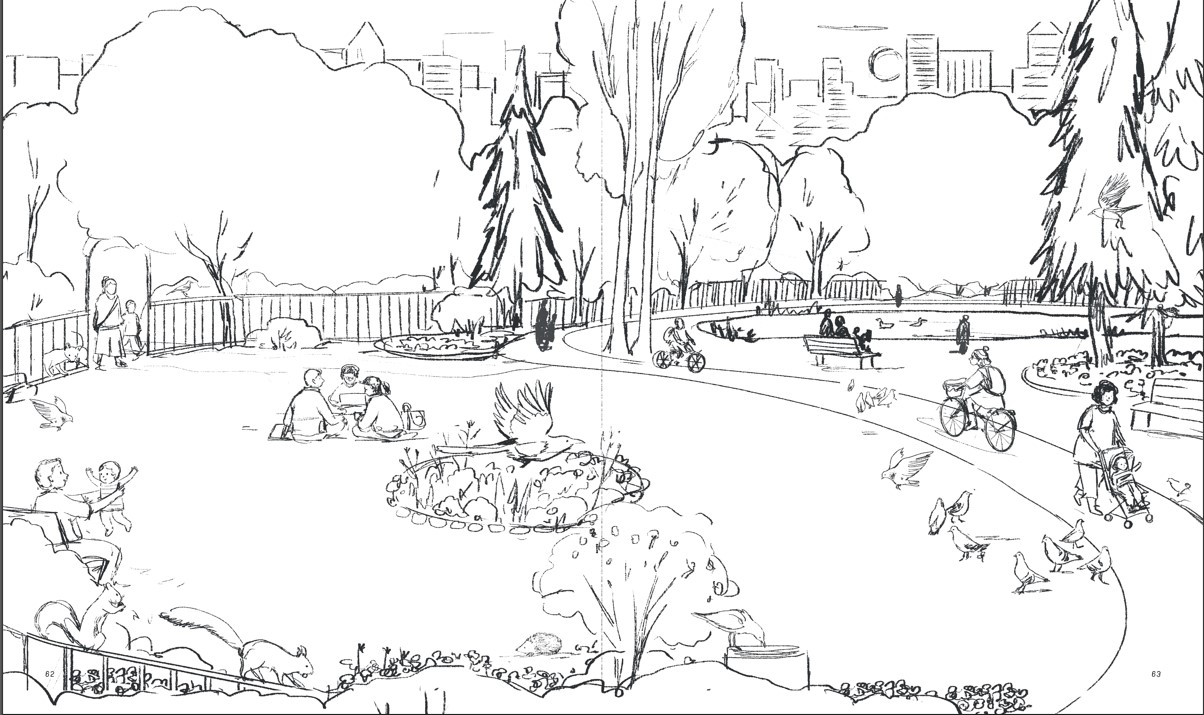
‘A Story of the Seasons’ is the biggest book I have worked on so far. It was a long process but I was provided with a lot of pictures of animals and plants that helped to ease the workload. In a non fiction project the illustrations need to be true to life. It was an interesting challenge to make them look accurate but also artistic.
How it comes together
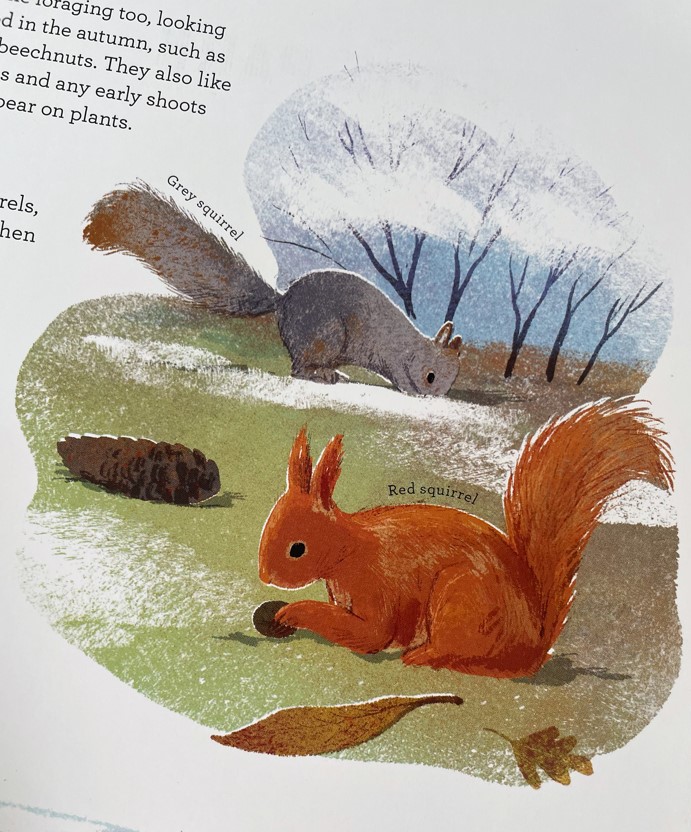
I create my illustrations digitally, though I try to bring that traditional feel and textures to them as much as possible. During my MA in Children’s Book illustration I tried screen printing which I absolutely loved. It limits your colour palette comparing to watercolour and other traditional media, but this limitation actually makes you design harmonious palettes. In some of my books I tried to bring that method, even if they were created digitally. Snow by Walter de la Mare for example.
While illustrating a book there will always be a few adjustments along the way, therefore working digitally allows me to make localised adjustments easily without having to recreate the whole piece again from scratch.
Working with different authors
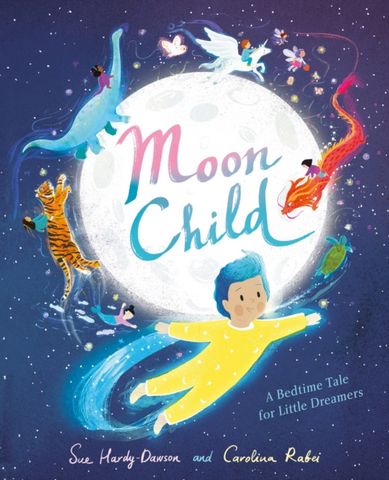
Each author brings a unique project to me, therefore each book will have a slightly different style which makes my job varied and interesting. I love working on atmospheric books, in limited colour palettes , a few of which I illustrated are also night time books (‘The Ride by Nights’ and ‘Silver’ by Walter de la Mare; ‘Once you’re asleep’ by Sarah Coyle ; ‘Moon Child’ by Sue Hardy-Dawson).
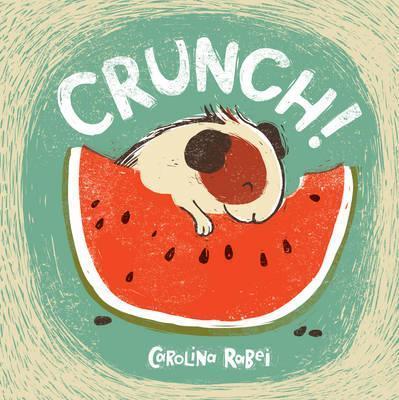
But I also love creating more colourful books for very young readers like ‘The Big Green Crocodile’ and ‘The Big Red Dragon’ written by Jane Newberry, or ‘Crunch’ which I wrote and illustrated.
For any author it is very exciting to see their imagined characters and story taking shape. I always hope that they will be pleased with the outcome because almost certainly, the way in which I might interpret a story and characters, will likely be different from their own.
Here are a few kind words from Anna Wilson , author of “A Story of the Seasons”
‘This was a challenging book to write as there were so many different sections and layouts to consider, so I imagine it was just as much of a challenge to illustrate, but Carolina has risen to that challenge and managed to make what could be quite a dry, factual book into something so beautiful it really does look like a story book that people will return to time and again. As well as being factually correct and intensely detailed, Carolina’s artwork has made this a book that adults will treasure just as much as the child reader the book is aimed at. It is the biggest non-fiction book I have ever written and now, thanks to Carolina, I can say it is the most beautiful one as well!’
We hope you enjoyed this insight into an illustrator’s part of producing a picture book. We often don’t hear much about the illustrators of children’s books so wanted to celebrate their rather integral part in our series From the Drawing Board.
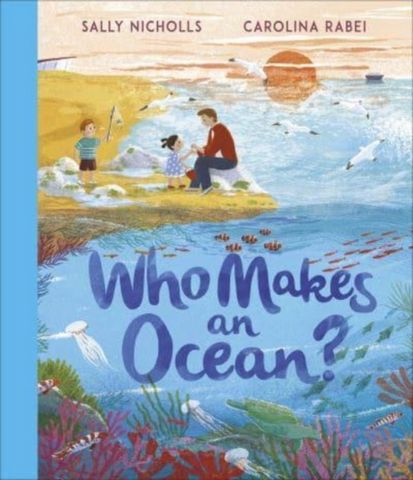
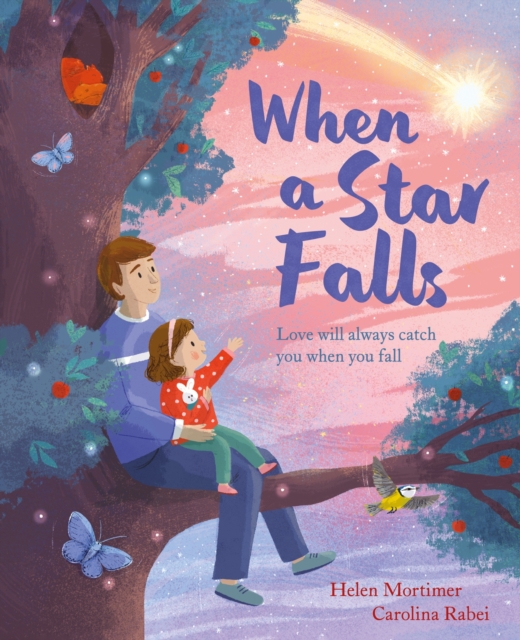
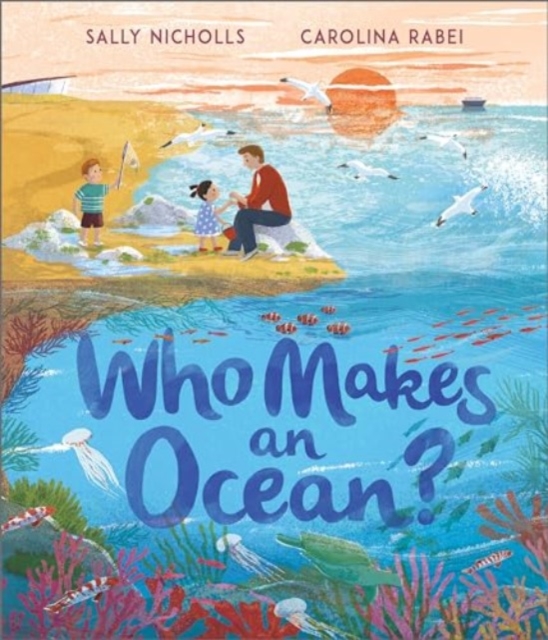
Carolina’s illustrations feature in the titles below.
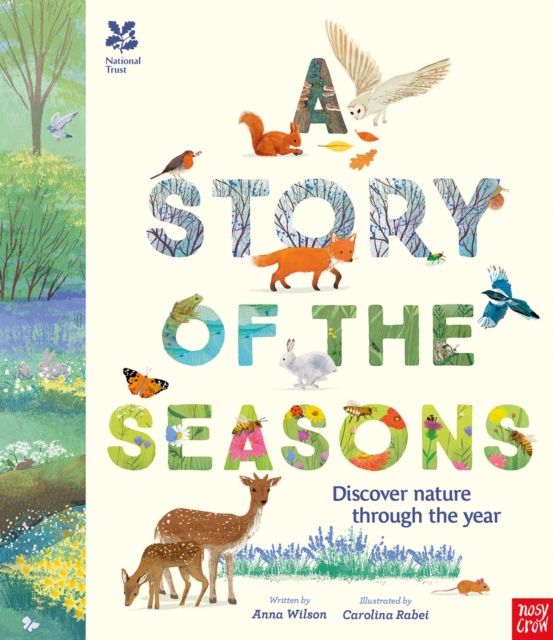
National Trust: A Story of the Seasons
Original price was: £20.00.£14.00Current price is: £14.00.
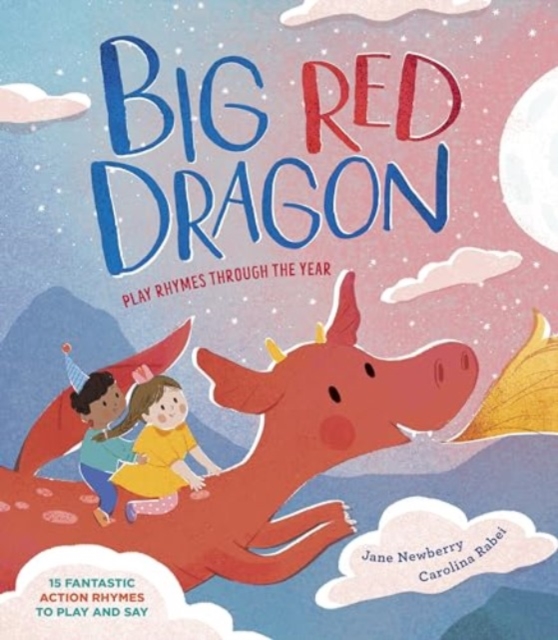
Big Red Dragon: Play-Rhymes Through the Year
Original price was: £12.99.£9.35Current price is: £9.35.
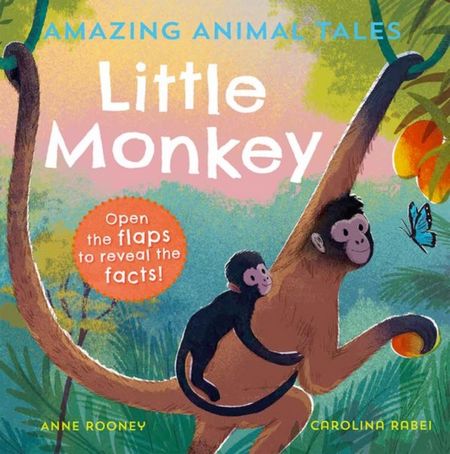
Amazing Animal Tales: Little Monkey
Original price was: £7.99.£5.59Current price is: £5.59.