:

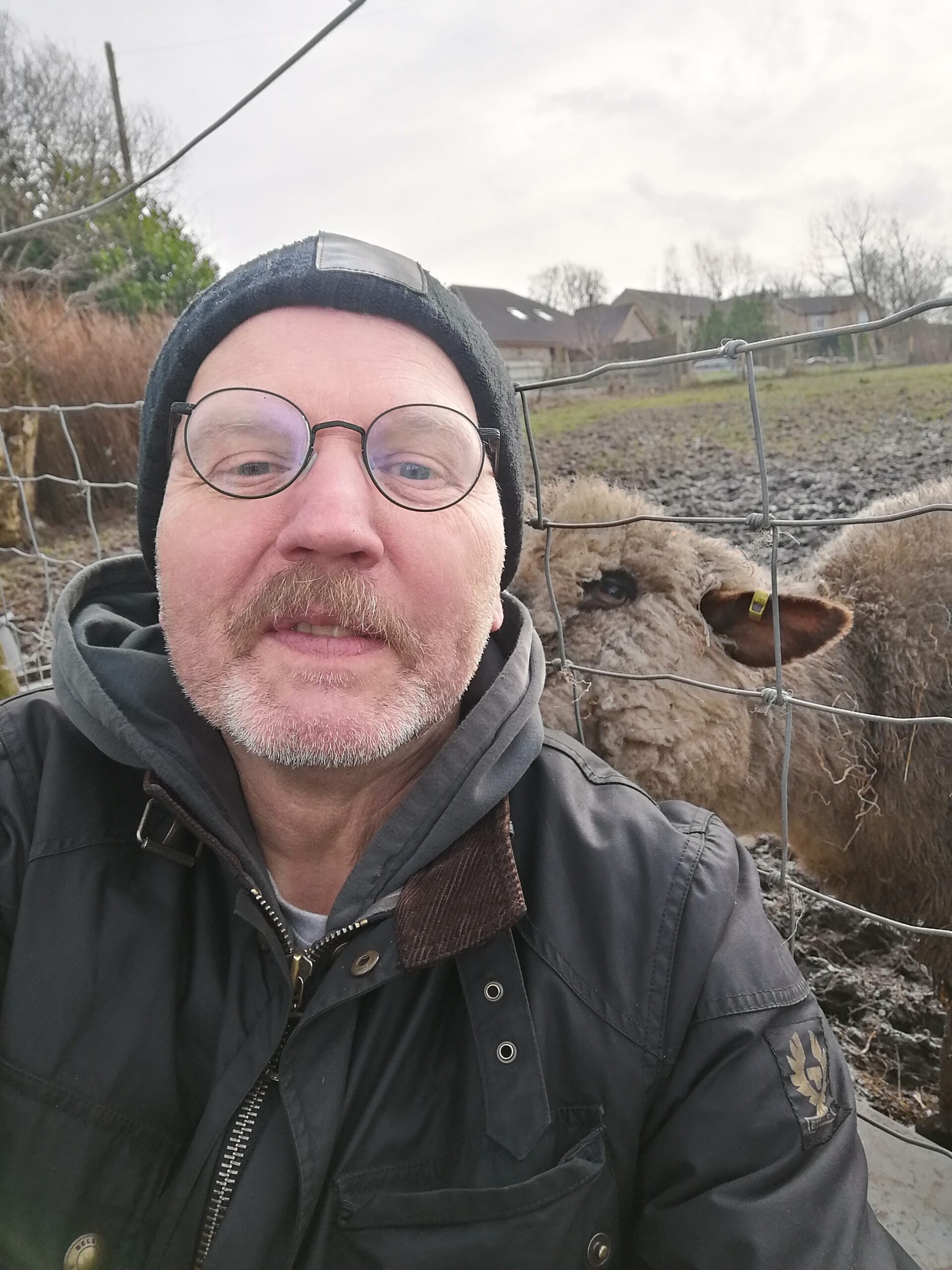
Francis Martin is the illustrator that brought Gina Kaminski to life.

Gina found her way into the mind and pen of Craig Barr-Green (who wrote about his autistic heroine for us here) but it was Francis who captured Gina for the page.

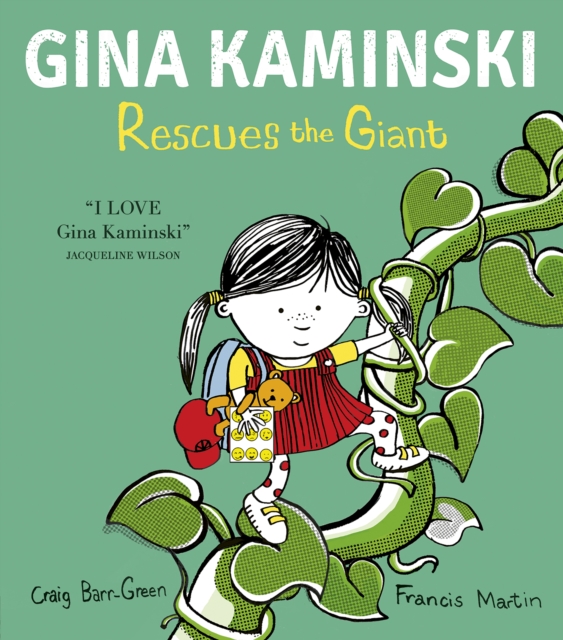
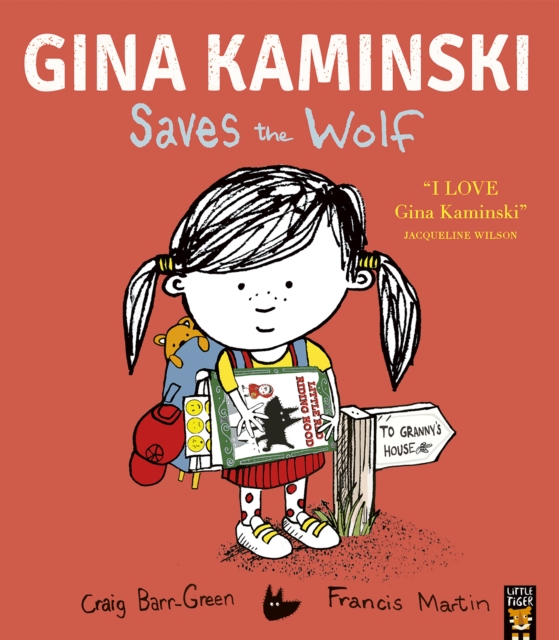
Francis has very kindly shared a little bit about the process of taking Craig’s words, and indeed descriptions that were deeper than the text, and turning them into the little girl with big goals who sits proudly within the pages and front and centre on the covers of Gina Kaminski Saves the Wolf and Gina Kaminski Rescues the Giant


~

Gina, the little girl who ‘fixes things and gets cake’ is most definitely a star. If you just read the text, it is obvious she’s a star. I knew that the image of character I was going to create had to be of a star.

This wasn’t achieved easily. Michealangelo said that at first a statue was trapped in a block of marble, and it was the sculptor’s job to find it. Now, I am not saying that Craig’s story was a lump of granite – more like fine Carrera Marble – but what I am saying is that the way Gina looks was in the text even if Craig never actually describes her.

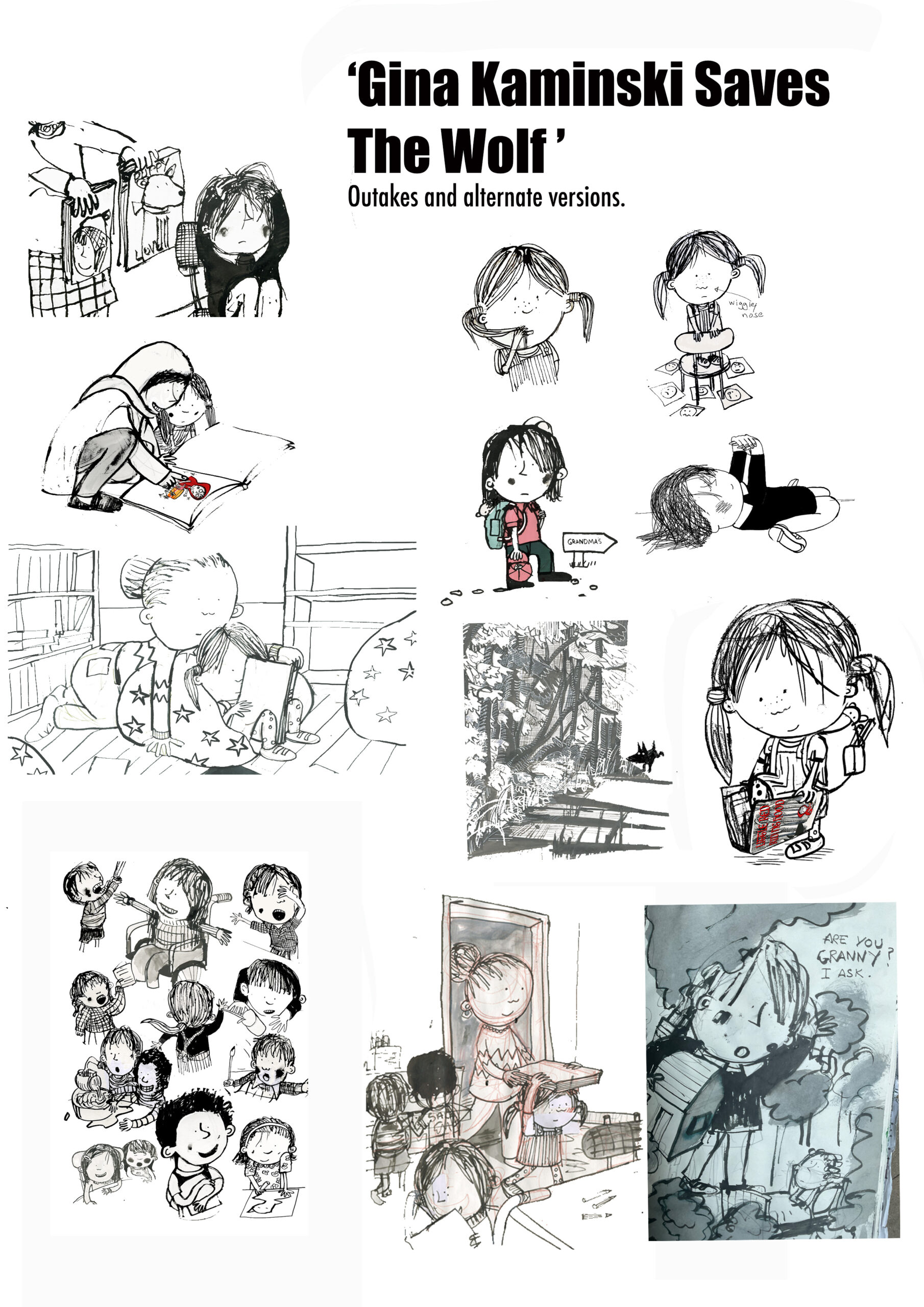
On the road to looking like she does on the covers of Gina Kaminski Saves the Wolf and Gina Kaminski Rescues the Giant, poor old Gina had a few slightly less suitable incarnations. Some of these wouldn’t suit the story, and a few I am sure Gina herself would not approve of (scruffy hair!).

I covered a forest’s worth of paper drawing. My preference when illustrating picture books is to make physical drawings during most of the process and only move onto the computer right at the end. If something doesn’t work, I draw it again from scratch. It keeps the artwork fresh and expressive.

I used dip pens, knackered old fountain pens, blade nibs and sticky black ink to draw Gina. Getting the very simple components of her face – nose, mouth, eyes and freckles – into the right position and the right size was essential. Her face would lead the reader through the whole spectrum of feelings, from being overwhelmed in the first spreads to the quiet satisfaction of the last spread where she knows that she has resolved the problem herself.


Gina had to be a real contrast to the slightly overblown expressions of the characters in the fairy tales. The wood cutter’s cartoonish bluster is cut down to size by Gina’s firm determination. I think that this is the most demonstrative she gets expression-wise.

In Gina Kaminski Rescues the Giant, I felt that Gina’s upset was best expressed by her covering her own face. Drawing her expression would have risked it becoming caricature.

As well as her expressions, Gina’s size was an important component of her character. In Gina Kaminski Saves the Wolf, the initial roughs had featured Gina as a giant when she went to fairy tale land, stepping over trees, picking up the wolf and taking the roof off of Granny’s house. This was quite fun to draw, but it didn’t work with the story, and it was consigned to the box of ideas for other stories. Gina force of character was expressed through her size. She doesn’t have to be huge to be in charge of the story. Her sense of what is right and her determination are what change the stories. Gina actually had more presence and strength when she was small.

In the first spread of Gina Kaminski Rescues the Giant, her size is part of her discomfort. She is in a huge, imposing art gallery, the other children are having the time of their lives, they love the stimulation and they are comfortable in the space, but it’s too much for Gina. The reader has to look around for Gina through all the little dramas and then match her up to the text. To research this scene, I spent an afternoon in the Walker Art Gallery in Liverpool whilst there were school parties on visits. This gave me loads of ideas about how children occupy public spaces and respond to art. It’s not always reverential but, it did give the opening scene some oomph!

As well as the characters, creating the worlds that Gina goes in and out of was quite challenging. She steps out of her world and into the world of fairy tale books. In the first book I opted for the traditional ‘fairy tale’ look – forests, bonnets, pantaloons and cottages. Very Brothers Grimm. The other worldliness look was achieved by heavy shadows. In the second, we tried a different sort of look for ‘Jack and the Beanstalk. I gave it a mid-twentieth century rural setting with a bit of half tone for the shadows.

It was great taking Gina to these crazy places and seeing how matter of fact-ly she deals with the situations. I am very proud of playing a part in the visualisation of Gina. She engages with the reader, analyses the problem in the fairy tale, and sorts it out.

I really hope that the illustrations capture her special character and that when she looks out at the reader they look back at her and connect.

I have compiled some of the alternate and developmental versions of the Gina illustrations. I really liked exploring all the different ways a story could have gone and there’s a few ideas that might get recycled.

~

Many thanks again to Francis for sharing with us how Gina came to life and the other iterations of her that existed on the way.  We know her now how she is but hearing about all the factors that come together, and the versions that add to her journey is an insight we as readers don’t always get.  The illustrations in storybooks make them what they are and we love hearing how the master craftspeople that create them make the magic happen!  You can see Gina’s two adventures as well as another book Francis has illustrated below.  You’ll also find Gina on our Autism Awareness Month booklist.

Sneak Peek feature Beautiful e1765979343946

Library Sneak Peek: The Really Beautiful Thing by Frances Tosdevin & Ali Pye

Spotlight How We Used to Live feature

Introducing: How We Used to Live

Poetry by Heart Globe

Our Experience: Poetry by Heart

Author Event Josh Lacey 1 e1764842412373

Author Events: Josh Lacey