:

Have you seen more students inspired to read more Non-Fiction this Non Fiction November?  Perhaps it was already a common choice as Reading for Pleasure in your library?

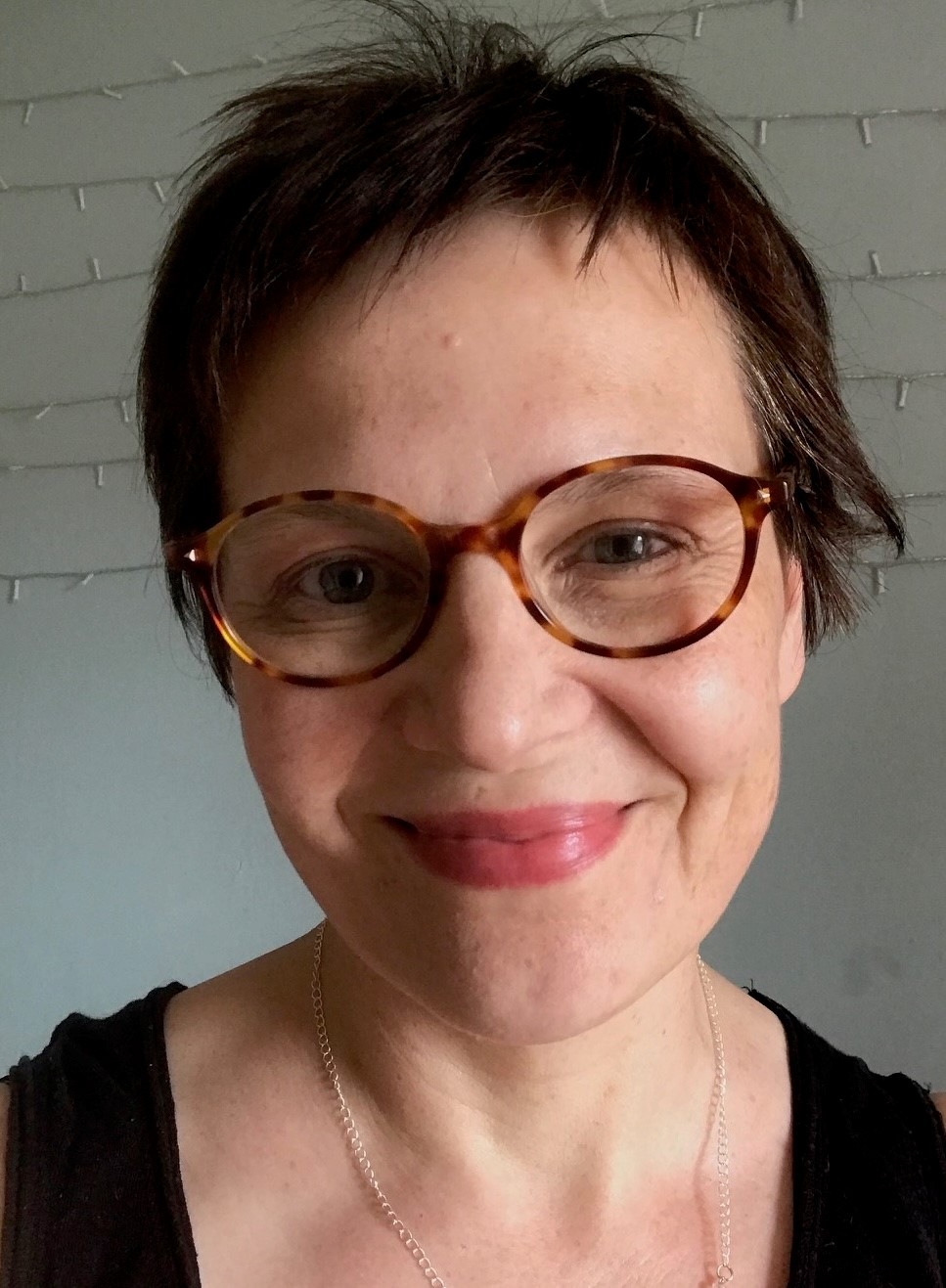
We think the way Non-Fiction books ends up published is rather interesting and are lucky enough to have heard from multi published author of Non-Fiction for children Anna Claybourne about the process.

Let’s find out the story of Non-Fiction…

When people outside the book industry ask what I do and I tell them I write children’s non-fiction books, they tend not to take it in at first. Usually, the first thing they ask is “Ooh, so what are your stories about?” I explain that it’s non-fiction, or information books – factual books about things like dinosaurs, space or volcanoes. People often then say how much they loved those kinds of books as a child! Then, they ask if I’ve ever had any published – and are amazed to hear the answer is yes, over 300, and it’s what I do for a living.

For many people, a writer is someone who writes stories, has a day job or other income, and may well not have had anything published. “Books” are fiction books. I’ve even found this to be true of teachers at my children’s schools. A big reading drive at their primary school involved being given a form to fill in about a book they’d read over the summer. Kids were asked to summarise the story, and describe their favourite character. No mention of non-fiction at all! But lots of children, especially boys, and neurodivergent and more reluctant readers, do prefer non-fiction, or read it a lot.

The reality for most children’s non-fiction writers is very different from this popular image of the creative, perhaps slightly bohemian, part-time fiction writer. It is creative, but it also involves a very specific set of skills and knowledge, and organisational abilities that would make planning a NASA mission a breeze.

So here’s a quick guide to how we do it!

Ideas...

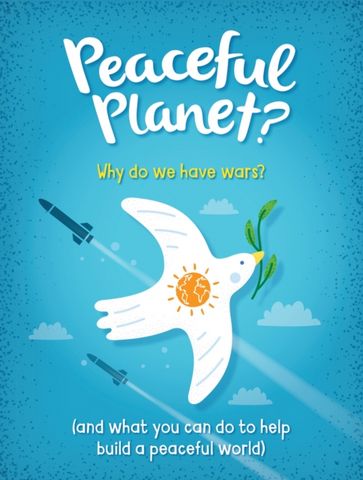
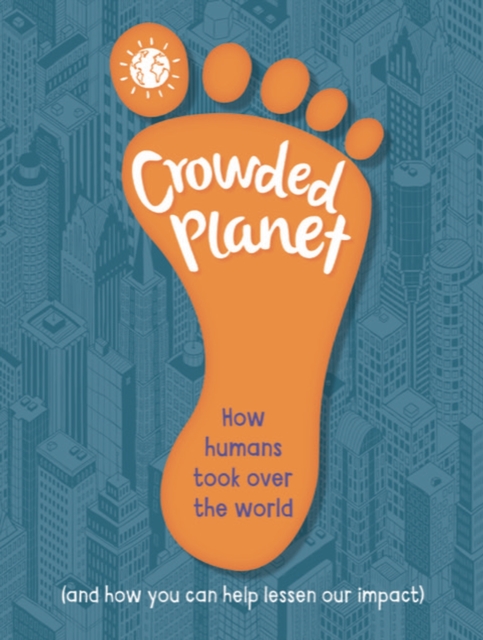
A common question writers are asked is “where do you get your ideas from?”. With children’s non-fiction (CNF), we do have ideas, and sometimes develop our own ideas into books – but just as often, a publisher will commission a book, or a series, based on their own ideas, which are often settled on in ideas meetings, inspired by current events or trends. For example, I’ve been working on a series of “Planet” books about the world and the environment for Franklin Watts – Hot Planet, Recycled Planet, Sustainable Planet, and so on – for several years now. That’s an ongoing series, and both the publisher and I come up with new ideas for it. When the pandemic struck, they suggested Pandemic Planet. The outbreak of war in Ukraine led to Peaceful Planet.

Ideas for books and series are often built around a particular angle, approach or new, fun way of covering factual information. We do need new non-fiction books on things like space, wildlife, history, the human body, climate change, and amazing or record-breaking animals, buildings and machines, because the facts do change at an amazing rate. I’m always noting down new discoveries from the science press, like a new biggest stick insect or smallest reptile, dinosaur fossil find, major black hole, mind-controlled prosthetic or cool new optical illusion.

But it’s also great to find new themes, approaches and angles to draw the reader in, and to suit different kinds of readers. So, for example, the Tiny Science series for Wayland was all about tiny invisible things, from DNA and bacteria to nanotechnology. The “100 Most” series for Scholastic explored the 100 most… of a variety of extremes – most dangerous, disgusting, scary, unexplained and so on. The forthcoming Mind Maps science books for Arcturus have a kind of in-book hyperlink system, connecting different ideas and topics within a topic, so you can hop around following your interests. You might use a Q&A format, or a “user’s guide” type format to explore a topic, like how to be a medieval knight. Or sometimes, non-fiction is a story – like the tale of a great adventure or discovery – that can be told as a narrative.

There are also different styles, from a straight, almost-textbook information style, to fun, silly and jokey styles, and a recent big trend, writing non-fiction a comic book format. In the recent series “Dogs Do Science” for Wayland, each book covers a science topic, such as Light or Forces, through a series of comic strips in which daft dogs find out how things work through everyday experiences. It was so much fun to write comic strips and jokes – the series wasn’t my own idea, but I could add my own elements and features. I’m a cat person, so I added lots of cats who antagonise the dogs.

My favourite idea for a book or series, still waiting to be commissioned, is about things we don’t know or understand yet. There are so many of them – time, matter, gravity, consciousness, the Universe. I think it’s mindblowing that we don’t even really know what everything is made of, for example. So I’ll pitch that again soon.

Outside factors...

So, once you have your idea green-lighted, or get a commission, you have to think about a whole set of parameters.

First, the schedule. There will be dates for a plan or synopsis, the full manuscript or MS, and the editing, layouts and final checking/proofing stages. That’s three or more schedule deadlines per book, often multiplied by several books in a series. You have to make them all fit in with your other projects – yes, you have multiple projects on the go at once! Otherwise you’d be left with long gaps while books get approved, edited and designed. So I have colour-coded planners galore.

Then there’s the details of the physical book. You’ll be given a format – the physical size of the book – and an extent, or page count. Books are made by printing onto very big sheets of paper that then get folded up into pages, bound and trimmed off at the edges. This means that most books have a multiple of 16 pages. For a novel or other longer work, any spare pages can be left blank at the back, or filled with adverts or reviews for other books. For a shorter non-fiction book, you need to plan exactly for – usually – 32, 48, 64, 80, 96, 112 or 128 pages (sometimes more).

Most often, you’ll plan the book in spreads, with each two-page spread covering a subject area. A 32-page book will generally have a few pages at the start and end for the title page, contents, glossary, index etc, leaving you with 12 or 13 main spreads to plan. You research the topic, make notes, and work out what will go on each spread. If the book is part of an ongoing series, which may already have titles written by other authors, you have to make sure it matches the rest of the series in information level, style, tone and so on as well. Then you send your synopsis off to be approved – it might get the go-ahead, or need some changes first. You’re ready to write!

Words and pictures...

Sitting down and actually writing, originating new text, is the hardest part of the job for me. It’s the most gratifying and the most absorbing when you get into that “flow” state of complete concentration and focus. But it also uses the most mental energy. Making sure you’re staying with the right “voice”, style and tone, the right vocabulary level for the reading age, building and honing the clearest, most readable sentences possible, and explaining things in a clear way, but keeping it engaging, fun and original, is full-on. It helps that we can use a variety of text options: normal paragraphs, but also picture captions and labels, facts in flash boxes, information in charts and lists. A reader who’s outfaced by longer paragraphs will often start with the captions and smaller boxes, so you try to pack them with interesting things. A lot of the time, I’m thinking of myself as a keen science lover and non-fiction reader when I was around 9 or 10. What questions did I want answered, and what did I find most intriguing and fun to read?

You also have another big factor to think about – the pictures. These are illustrated, often very integrated books, where pictures have to work with the text and are not just decorative, but are explaining or demonstrating things. Whether it will have photographs, artwork, diagrams or a combination, you can’t write a spread without knowing how it’s going to be illustrated, or that a photo or picture reference does exist. For example, colossal squid are fascinating, but if it’s a photographic book I need to know there’s a good, clear, high-quality photo available – and for a colossal squid, there isn’t (so far). So that affects what I can write about. If an artist will be doing the pictures, I have to find references for them, and that can take a lot of research. Sometimes, I sketch diagrams myself to help the designer or artist understand what the picture should show.

There are all kinds of other things to manage too. If you want text in a picture – like someone holding a sign – it has to be black, as it will have to be translated for foreign editions, and only the black (or text) layer can change. Pictures have to be as international as possible, so you need to avoid pictures of vehicles with right-side steering wheels or mentioning very culture-specific things like baked beans. Sometimes, you even have to write without any words that are spelt differently in US English, such as colour or armour, so that the publishers can use the same edition in both markets.

Editing, printing and Publishing...

Finally, your MS is ready to submit – hopefully by the deadline. After sending it in, you wait for comments from the editor and sometimes a subject consultant, which may mean making changes and revisions. Next comes roughs – rough layouts with the text laid out on a rough sketch of the spread with pictures in place. After another wait, you’ll see final layouts with the finished artwork and/or photos in place. Each time, you check the text carefully, adjust label positions, highlight on any problems with the pictures, and so on. During this process, as the text reaches a final form, you write the glossary, and other endmatter such as further reading, or a timeline.

When the book is final, it goes off to be printed, and weeks or maybe months later, you’ll have it in your hands.

Into bookshops and libraries...

All in all, from first being asked to write a title or develop in idea, to it being available to buy, is usually over a year and can be two or more, if there are delays with editing or artwork.

When the very first book I worked on, called Mountain Wildlife, arrived fully formed, I was beyond excited. I used to go to bookshops, find it and display it prominently! 300 books later, “unboxing”, while always rewarding, mainly involves trying to work out where I’m going to put even more books or who I can give them away to.

But one thing that never gets old is getting letters from readers. I love hearing from enthusiastic fans of sharks, space stations or science experiments, and it reminds me of how I felt about my favourite non-fiction books as a child. I always write back! Those fact-lovers are out there, and we should always provide for and encourage them.


We love Non-Fiction and we know that for lots of readers it is a great choice as Reading for Pleasure.  We hope you’ve enjoyed this introduction to how a Non-Fiction book goes from an idea to a bookshelf.

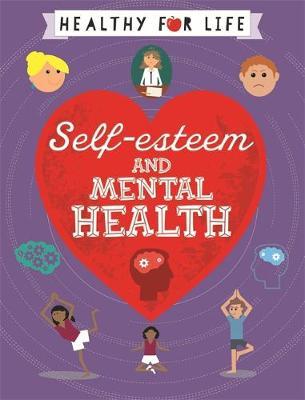
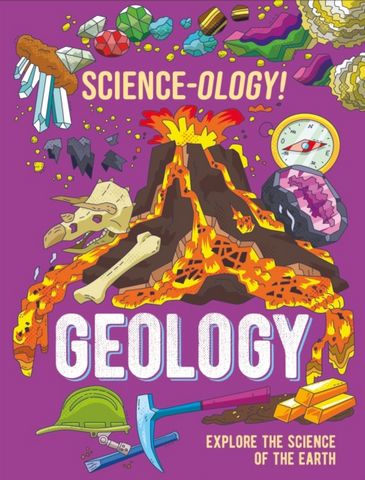
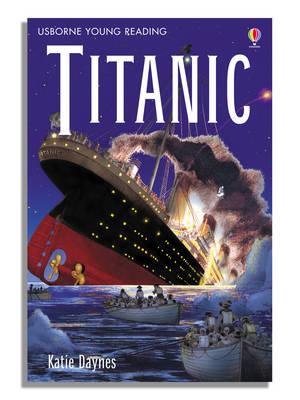
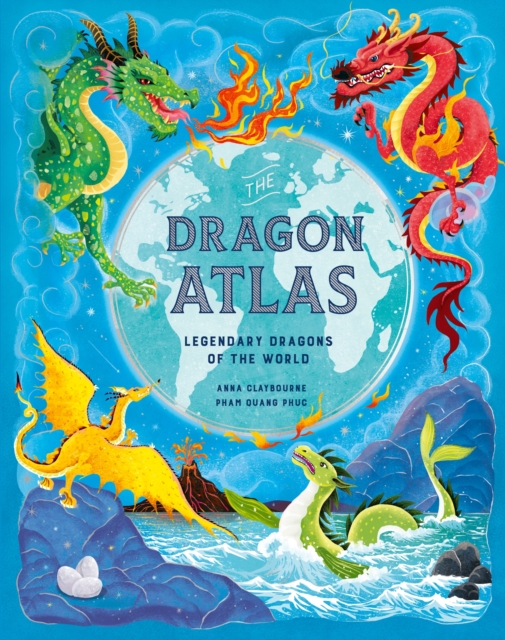
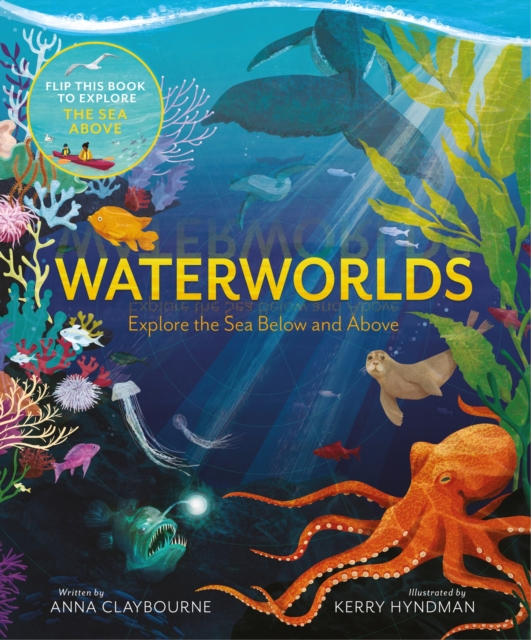
You can find the books Anna mentioned, as well as others she’s written, by clicking the images below.  If you are on the hunt for new non fiction, we have specialist categories for both Primary Non-Fiction and Secondary Non-Fiction.

Many thanks to Anna Claybourne for sharing with us how her Non-Fiction books end up on our shelves.

Read more...

View all
Sneak Peek feature Beautiful e1765979343946

Library Sneak Peek: The Really Beautiful Thing by Frances Tosdevin & Ali Pye

Spotlight How We Used to Live feature

Introducing: How We Used to Live

Poetry by Heart Globe

Our Experience: Poetry by Heart

Author Event Josh Lacey 1 e1764842412373

Author Events: Josh Lacey