White banner with blue open book on the left and the text

:

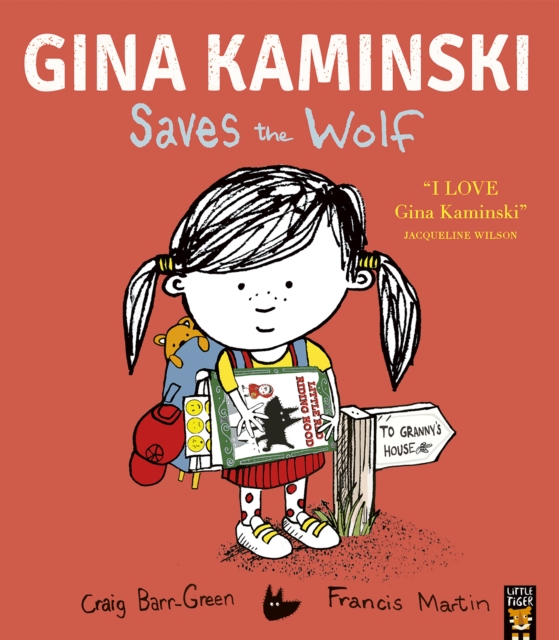
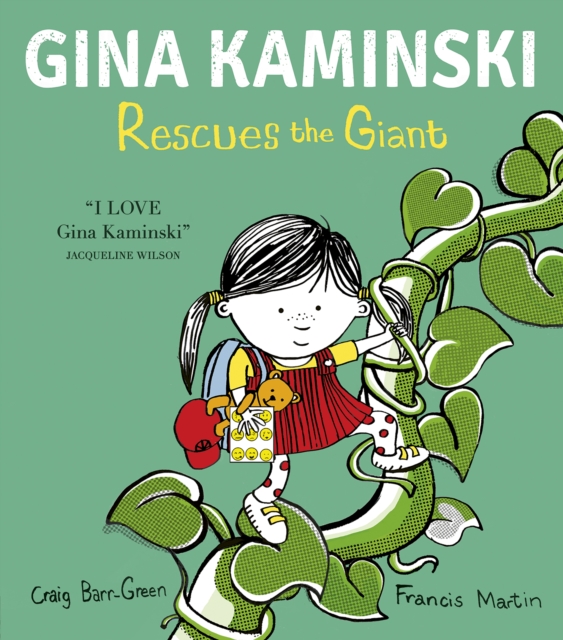
Craig Barr-Green’s Gina Kaminski titles are an absolute joy to read and could suit both reading for pleasure or as part of literacy or PSHE lessons.

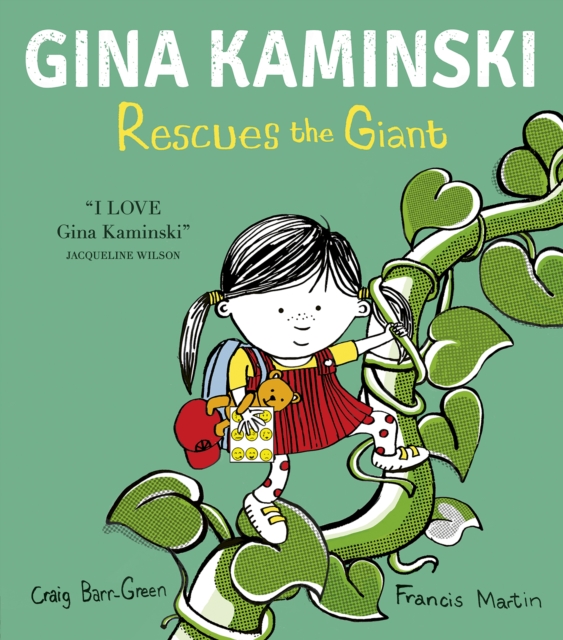
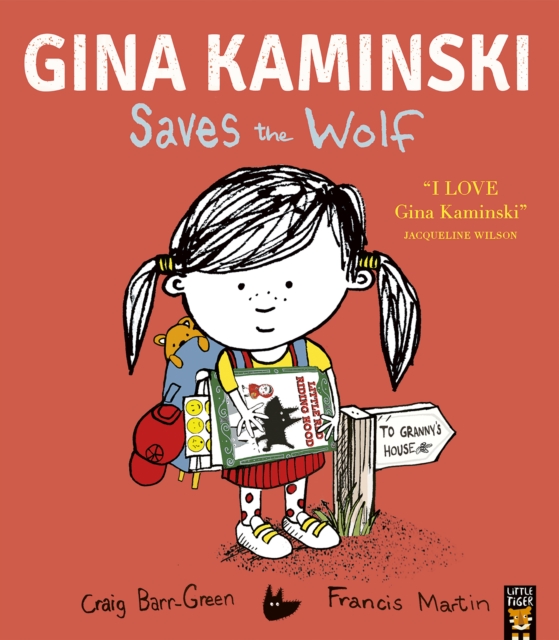
The series began with Gina Kaminski Saves the Wolf with Gina Kaminski Rescues the Giant following, and very purposely features an autistic heroine.

Author Craig Barr-Green has very kindly shared with us the background to Gina and her adventures and what he loved about creating her, his awe of teaching teams and why representation really matters …
~

There are books I want to write. Gina Kaminski is a book I had to write. It was a mission. Other projects came and went while I figured this one out.

I am autistic. I was diagnosed later in life with autism and ADHD (a seesawing mix).

I wanted to write an exciting picture book (with twists and turns and mild peril) with an autistic character in the lead role. I didn’t want to write a book about autism. I wanted to create a character for all children to cheer. A hero! This character had to be human. Anthropomorphism is a wonderful device to interrogate any number of bigger pictures (plus creatures can be super cute / super funny / super spooky in such a fantastical way), but for this book I wanted an ordinary child who could look like any child in a classroom. A hero who was everyday. Recognisable. Relatable.

Gina Kaminski was the answer. It took several drafts and many rip-it-up-and-start-agains. Then one day, on a fresh, blank document – Gina began to talk. Not just tentative first words: she wouldn’t stop! It was like I had been tuning a radio and finally landed on the right frequency. Her character genuinely appeared fully formed. Her quirks and mannerisms were so correct. It sounds pretentious (brace yourself) but this felt more like listening than writing.

Gina Kaminski Saves the Wolf begins in a place familiar to most children: school. Gina is struggling. She is overwhelmed by the sensory overload of the classroom. It’s too hot, loud and smelly. The walls are closing in on her. Francis Martin did a superb job of capturing this over-sensitized environment in his spread. The din and the chaos trumpet discordantly from the page. His striking, inky, scratchy style is perfectly anarchic. What a talented man he is.

The next story beat is my favourite. Gina is supported, decisively, by Anya. I wanted to showcase good practice in action. Gina is given the opportunity to decompress. Her needs are met. This is a triumphant moment for me. From my own experience as a parent – the relief of having a SENCO (or an LSA / TA / one to one) who ‘gets your child’ is an incalculable relief. Anya is just marvellous. Her page presence is minor, but her impact is immense. I have so much respect for the classrooms that work – against the odds in many situations. I was once told by a speech therapist that one can get a feel for a school simply from waiting in reception for a few moments before a meeting. As a frequent school-visiting author – this is true. Gina is fortunate, here, to be supported. Not all children, for a variety of reasons (and no fault of the school), get the support they need. My book is a platform to applaud. Teaching is so hard (I never finished my teacher training – I switched to an English degree instead), so I am in awe of the teams of teachers and support staff that pull together so brilliantly and tirelessly to create a learning environment that is nourishing, safe and communal, and also meets the diverse needs of its pupils.

From this point onward, Gina takes control. We go on her interior journey. I wanted this to be FUN. She fixes what she perceives as three massive mistakes in the story of Little Red Riding Hood. The story-within-a-story becomes a twisted fairytale of sorts. As the narrative continues, we become familiar with Gina’s mood chart. This was the final element I was adamant should be included. Gina uses a chart to pinpoint her mood when things are overwhelming and she cannot express her feelings. I have used these charts with children. Communication can take many forms, and I am huge fan of visual supports to break down barriers. A mood chart is one way of doing this. From experience, visual timetables and mobile flash cards have been hugely effective. I hadn’t seen much (or at least enough) representation of this in UK narrative picture book fiction. Luckily for me, I found a publisher and a commissioning editor who backed me, and backed the book, and backed Gina. Representation really matters. As I wrote at the start – I wanted to write an adventure story first and foremost, and (hopefully) this book has all the beats of that, but the granular character details are so specific they become universal. The book is a window and a mirror. We never know how much our peers might be struggling, for whatever reason. Picture books allow us to gain insight and build empathy. This is the story of a girl who overcomes a challenging situation by taking control of the narrative. And she gets cake!


~

Many thanks again to Craig for sharing some more of Gina and highlighting all the wonderful ways we are and we communicate.  You can read more about both of Gina’s adventures using the links below and read about Francis Martin’s journey bringing Gina to life for the books here.  You can also find Gina in our Autism Awareness Month booklist.

Sneak Peek feature Beautiful e1765979343946

Library Sneak Peek: The Really Beautiful Thing by Frances Tosdevin & Ali Pye

Spotlight How We Used to Live feature

Introducing: How We Used to Live

Poetry by Heart Globe

Our Experience: Poetry by Heart

Author Event Josh Lacey 1 e1764842412373

Author Events: Josh Lacey