If there’s one skill I’d encourage anyone to work on, it’s confidence.
It’s a game-changer. It influences how we show up, respond to challenges, and helps us build a stronger relationship with ourselves. Yet confidence is fragile, and it can soar or crash in an instant. In sport, one good match can make you feel unstoppable, and one mistake can make you question everything.
I experienced both in my archery career.
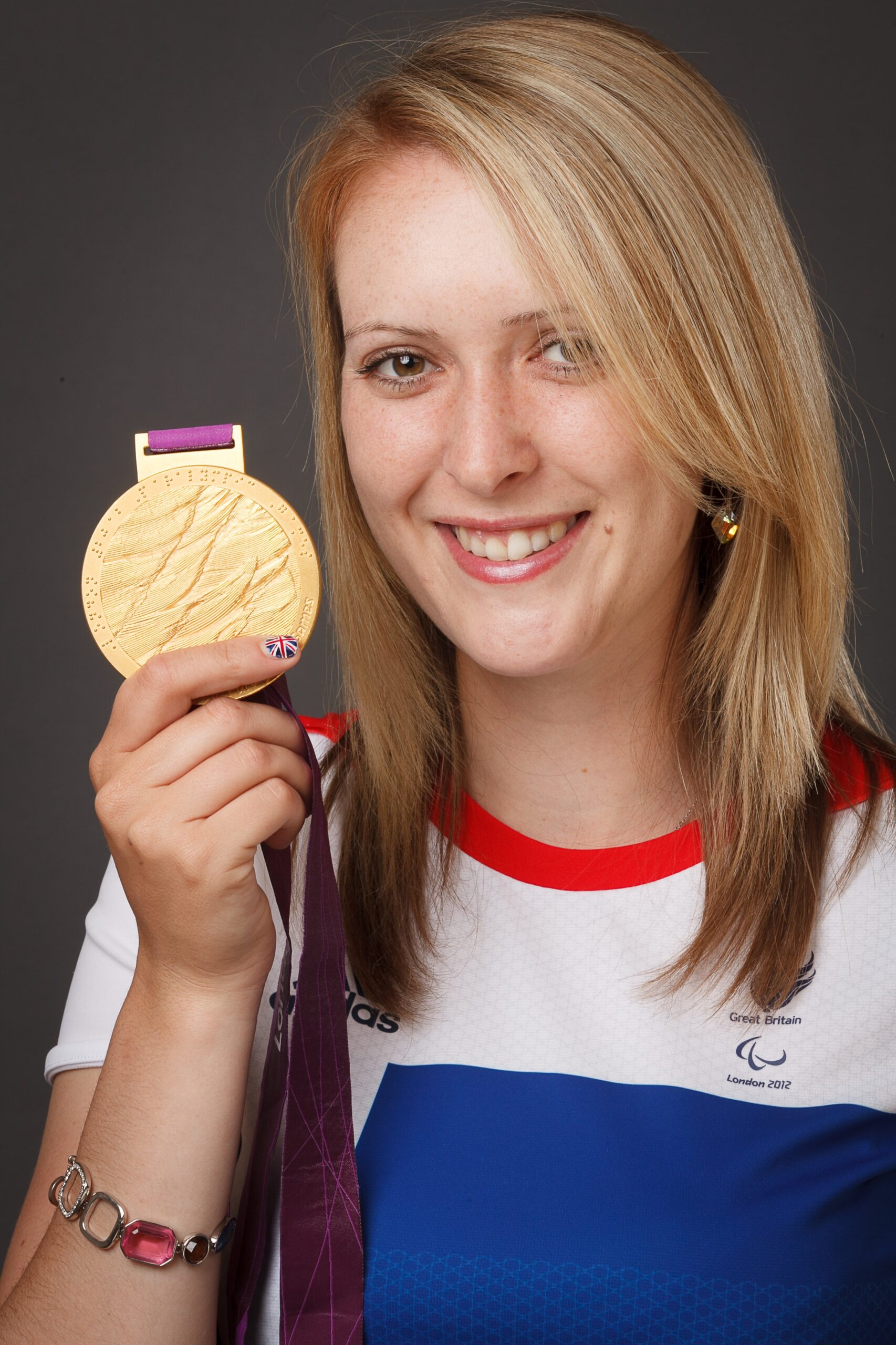
At the 2008 Paralympic Games in Beijing, I opened with a world record and made it through to the semi-finals. I was only two matches away from the gold medal I’d been working so hard for. The night before those matches, my confidence collapsed. It started with one small doubt: What if I can’t do it?
That thought grew into another, then another. What if I’m not good enough? What if I let everyone down? I fell into a spiral of self-doubt until I was convinced I was going to lose.
Luckily, I read a message from the technician who worked on my equipment. “You can shoot scores in your sleep that your competitors can only ever dream about.” The fact that somebody else believed in me gave me the boost I needed. The next day, I went out there and won both matches. I had done it; I was a Paralympic Champion.
This experience changed how I thought about confidence. Confidence is not never having doubts but instead recognising when doubts show up, challenging them, and finding a way to believe in yourself anyway.
When I got home from Beijing, I made confidence a priority. I started learning what it was, how it worked, and what I needed to do to get better at it. I noticed that the greater my confidence grew, the better my results got. Two years later, I became the first disabled athlete to represent England in a non-disabled category, winning a team gold at the 2010 Commonwealth Games. The media kept asking me how I’d managed it, and my answer was the same each time: “I always believed I could.”


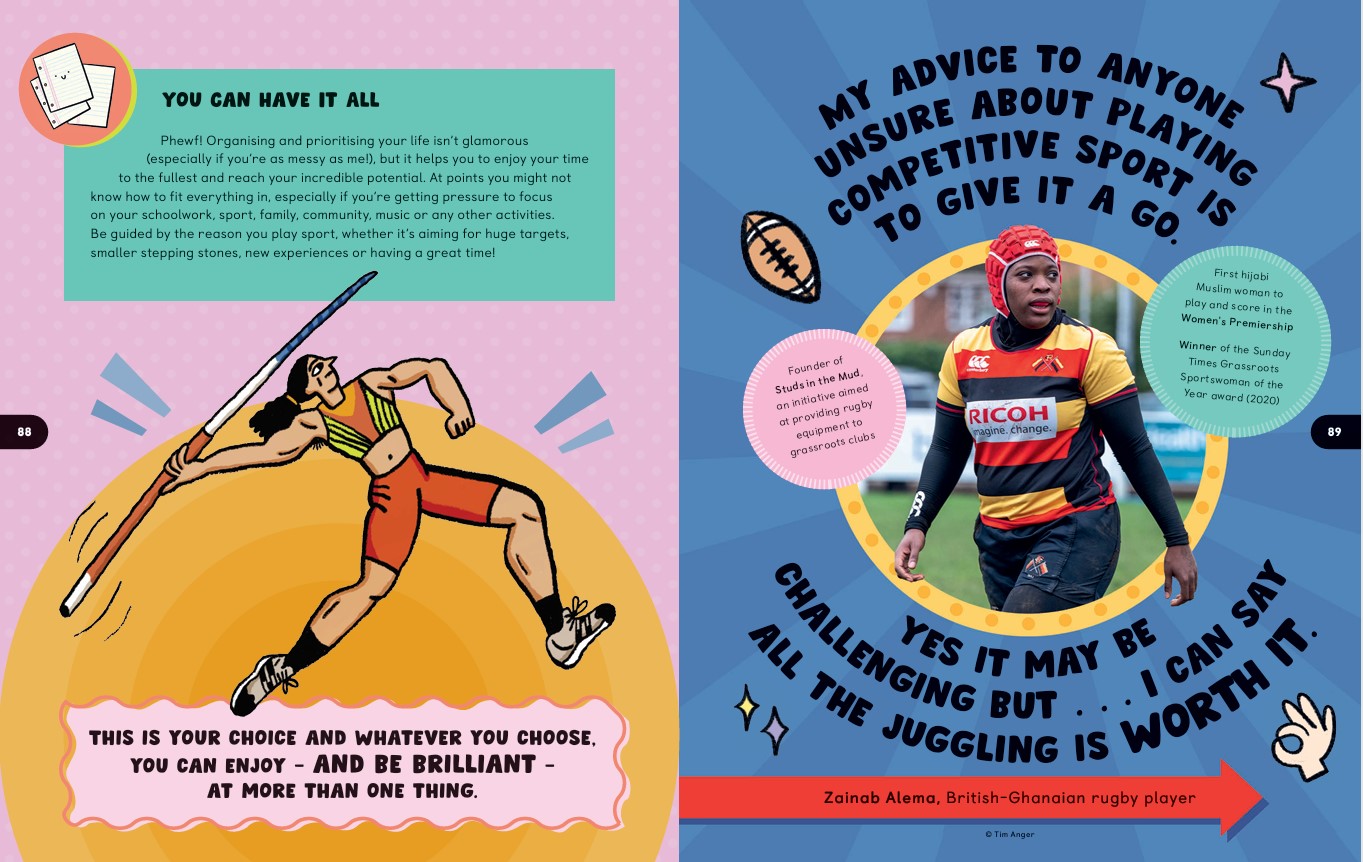
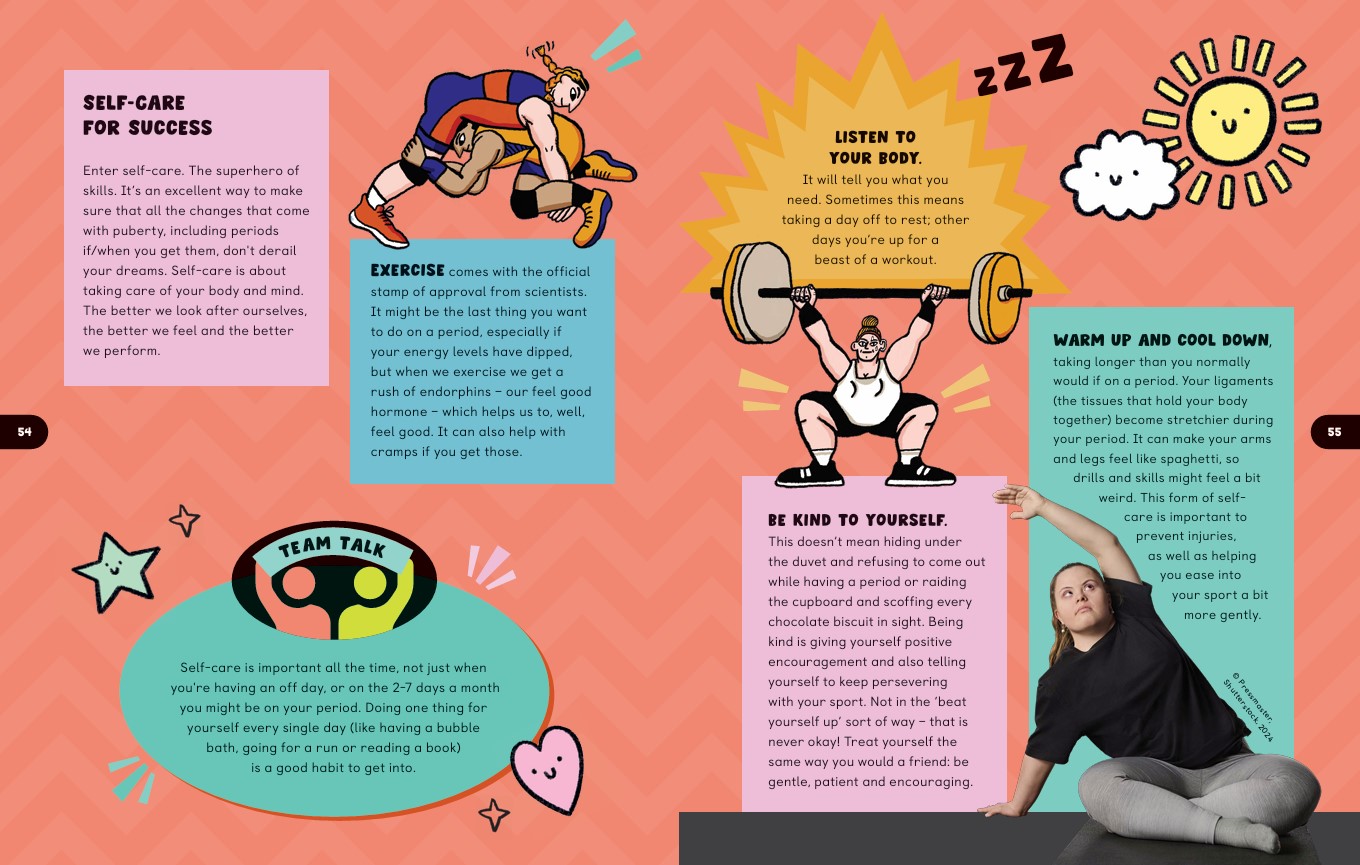
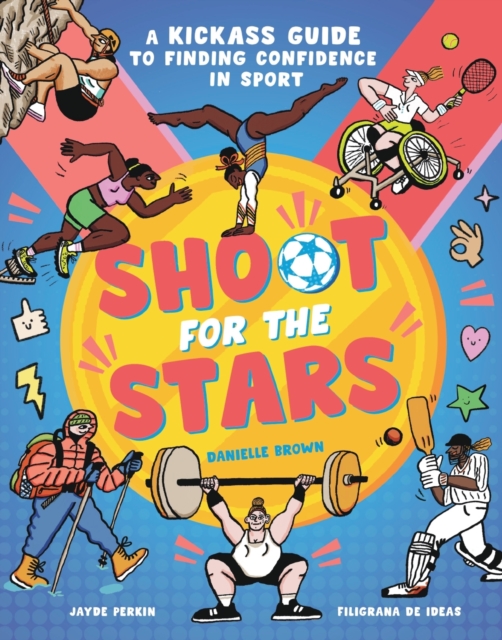
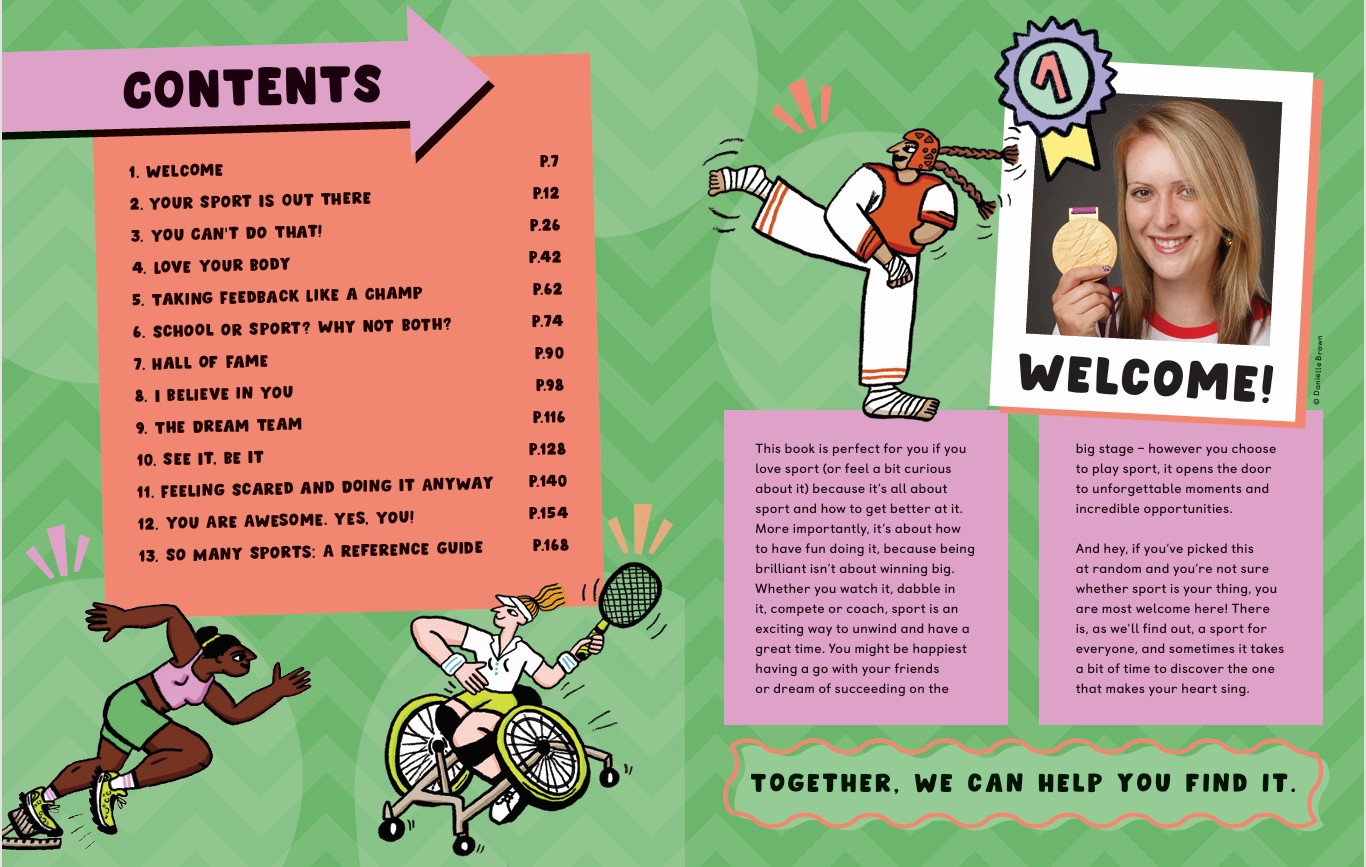 One of the core themes in Shoot for the Stars is confidence. I’ve seen lots of young people stepping away from sport not because they don’t enjoy it, but because they don’t feel confident enough to take part. Some feel uncomfortable in poorly designed sports kit, whilst others feel out of step with themselves as their bodies change during puberty. Many are afraid to try something new because they’re scared of failing, or simply don’t see the sports field as a place where they belong.