:

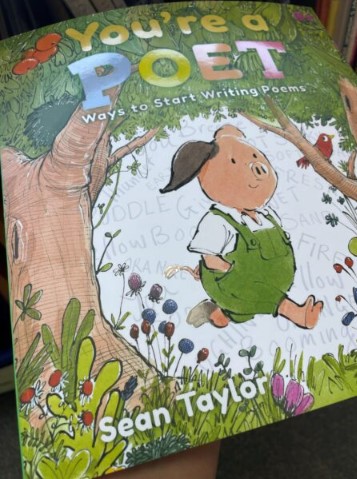
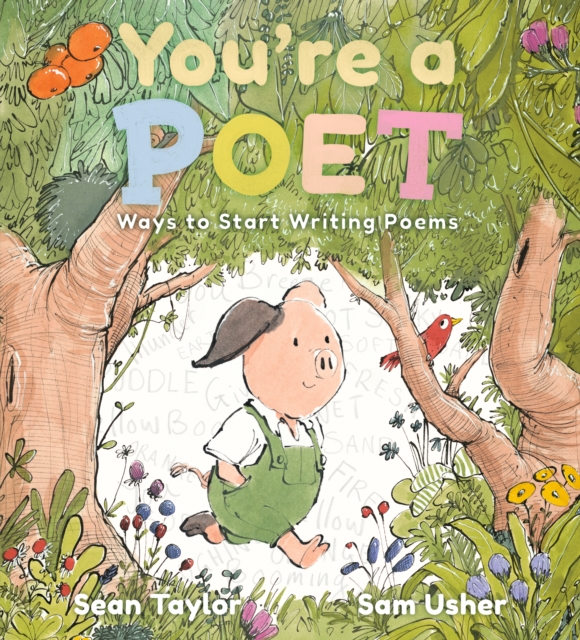
Sean Taylor’s book You’re a Poet (illustrated by Sam Usher) is an absolute joy to read and a great choice for classrooms.  It is simultaneously a wonderful story about family and friendship AND a guide for readers to the enchanting world of poetry.  It even offers some tips for those hesitant to give writing poetry (or indeed the teaching of writing poetry) a go.

We invited Sean to share a little bit about bringing You’re a Poet to life and why he loves poetry so much…

My latest book – You’re a Poet – encourages young children to take first steps into writing poetry. It features five stories about a young poet called Piglet, with the characters and scenery beautifully brought to life by illustrator Sam Usher. Each story adventure is followed by prompts to inspire young children to write different kinds of poems.
I found it an easy book to write. It springs from over 30 years of leading poetry-writing workshops in primary schools. The weight of that experience gave me momentum. But just as important was a heartfelt belief in the value of writing poetry for young children.

Poetry is an excellent way for beginner writers to extend their skills.

There’s no right or wrong in poetry and, because it has less rules than other forms of writing, it’s a freeing way for children to develop their writing.

Poetry is heightened language, and being able to use heightened language is a helpful (sometimes powerful) tool. We use it to speak impactfully, persuade, tell stories, express feelings, and communicate what we need to tell others. Writing poetry trains children in these skills.

Trying their hands at writing poetry also helps children to look closely at, listen to, and reflect on the world around them. Painting poem pictures with words naturally makes you do this. It doesn’t matter if a child is writing a simple description of a muddy puddle (as Piglet does at the start of You’re a Poet), or expressing something truthful from their heart (as Piglet does at the end of the book), poem-writing makes you pay close attention to the world around you. And in times when children’s attention is fractured by the habits of their screen-lives, that’s a precious thing.

Lastly, poetry is playful. Poetry is fun. In his book ‘Behind the Poem’, Robert Hull says, “The one thing that teachers can see more clearly than anyone about children writing in school is the pleasure they take in writing. That pleasure represents the thrust, the motive power that many teachers rely on to teach with – there is nothing for the potter’s fingers to shape till the wheel is moving.”

Learning is enhanced when there’s enjoyment in it. Think about the child who loves painting, or playing drums, or doing surprising science experiments. The pleasure feeds positively into the learning. Poetry can work this way for young writers. It’s a way of breaking out of the mindset which says writing is a chore, like having to tidy your bedroom! This quotation from American author and teacher, Martín Prechtel, puts it well: “Poetry is the most honey-tasting form of language.”

The existence of oral children’s poetry and nursery rhymes, all round the world, is a sign of age-old cultural wisdom that hearing poetry is helpful to young children. Given it’s such a freeing, nourishing, and enjoyable way to write, should we be encouraging them to write poetry from a young age, as well? I came up with You’re a Poet because I’m sure we should!

Abi Elphinstone's books

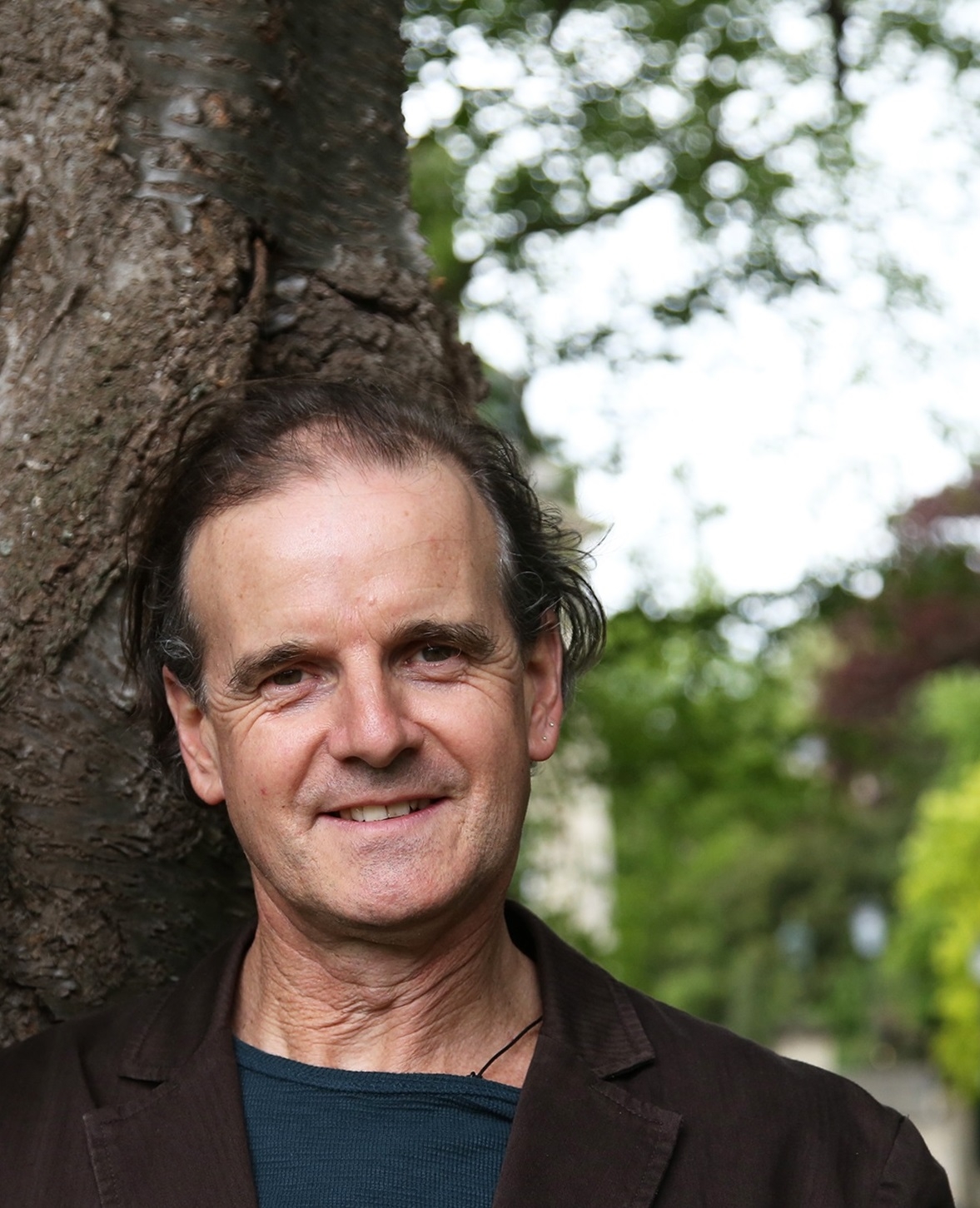
As well as leading poetry-writing workshops for children, Sean Taylor offers a workshop called WELCOME TO POETRY, to help primary school teachers feel confident about using poetry in the classroom.

You can find out more about booking him to visit and get answers to the important questions like Why did you write a book about an owl called HOOT OWL who disguises himself as a carrot? on his website.