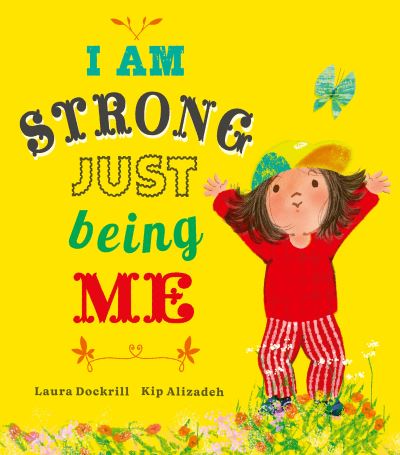

Laura Dockrill considers...What is Strong?
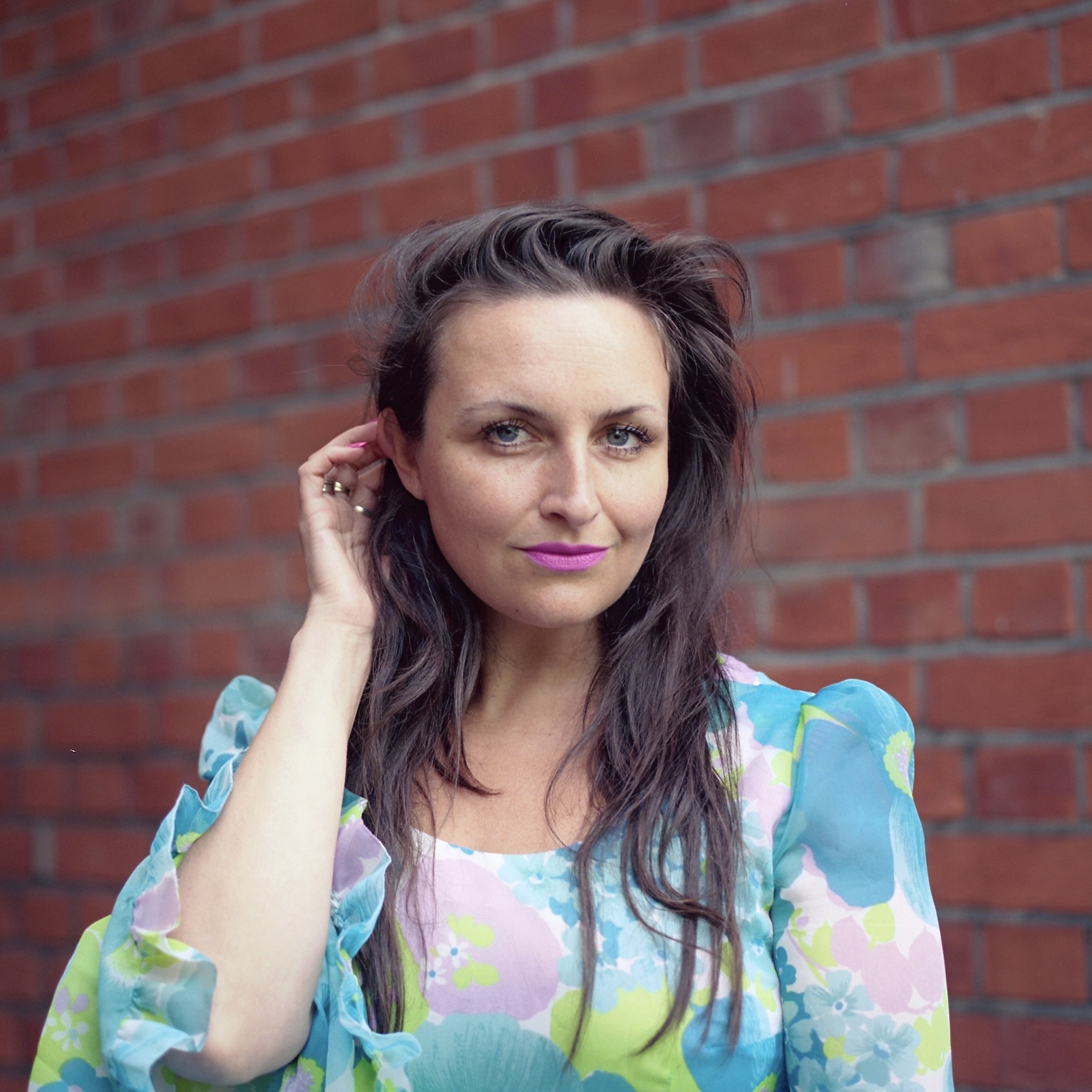
I used to think of myself as a ‘strong woman.’ Of course I did—I grew up in the Spice Girl generation. Girl Power was a must.
But what is strong? What does it look like? And is it something we should be?
I knew there was more to strength than being a heavyweight. I thought strong meant confident, fearless, brave, resilient, outspoken, unapologetic, sticking up for myself, working twice as hard, not backing down, taking whatever life threw at me like water off a duck’s back etc. etc.—the list of expectations went on. It was unrealistic, verging on toxic positivity. But life in the real world doesn’t work like that. Naturally, I had many insecurities, knockbacks and challenges, which eventually landed me in a time of real difficulty when I was hit with a serious postnatal mental illness after the birth of my son.
I found myself scrambling for that ‘strong woman,’ waiting for her to rise from the waters of my soul with blowing hair and a thunderbolt-shaped trident or something and save the day. Except, she was nowhere to be seen. I tried to battle, to put up a fight, but I felt like an exhausted firefighter: I had to be better. I must be well. This only made me more frustrated and upset with myself—why couldn’t I be ‘strong’ like everyone else? Why couldn’t I hold it together? What was wrong with me? I felt like a failure. Why was I so weak?
And yet somehow, I found the courage to ask for help. This bit is crucial. Asking for help is not a weakness or a failure; asking for help is the bravest and strongest thing a person can do.
After a great deal of learning—including Cognitive Behavioural Therapy, books, podcasts and writing—I discovered I’d been going about my recovery completely back-to-front. Why was I giving myself such a hard time? It wasn’t my fault I became unwell. Why was I blaming myself? All I was doing was stirring up all the negative feelings I so badly wanted to avoid.
So, I tried a new approach: I leant into the help I so badly needed rather than resenting it. I practised and prioritised self-care and compassion, being truly kind to myself, giving myself permission to rest, to be however I needed to be. I stopped trying to ‘fix’ everything. Even acts as small as speaking to myself in a nicer voice made a difference. This all sounds easy, but it’s a lot harder than it sounds. It took strength.
I gobbled up stories by anybody who had gone through something tough and come out the other side. I found that vulnerability and acceptance had such big parts to play in these accounts of getting better. The writers of these stories seemed like superheroes to me! There was no way I could look at them as weak or judge them on their experiences.
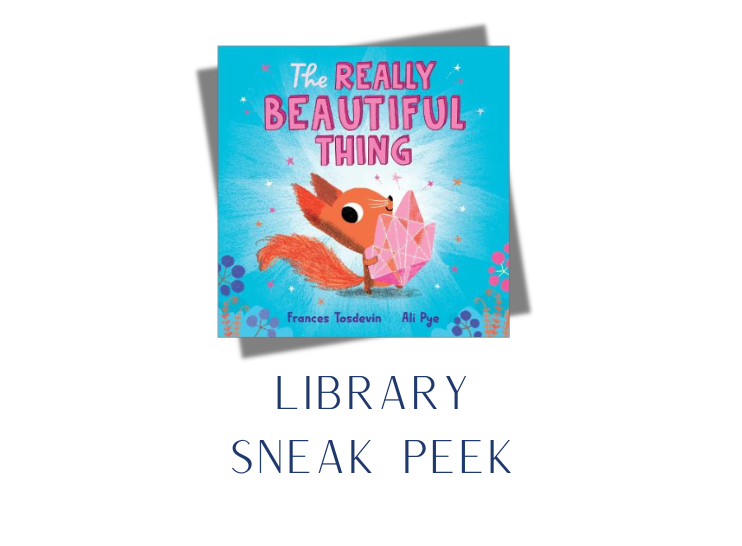
My mindset changed: I began to be grateful for the illness because it gave me a chance to reflect and readdress the way I cared for myself previously, and how I could care for my son moving forward. The good stuff I’ve taken with me since becoming unwell now informs how I parent – I can teach my son how to take care of himself and ask for help. This fed into the grandparent arc of I Am Strong Just Being Me, this voice of sharing experience and passing down golden gems of advice.
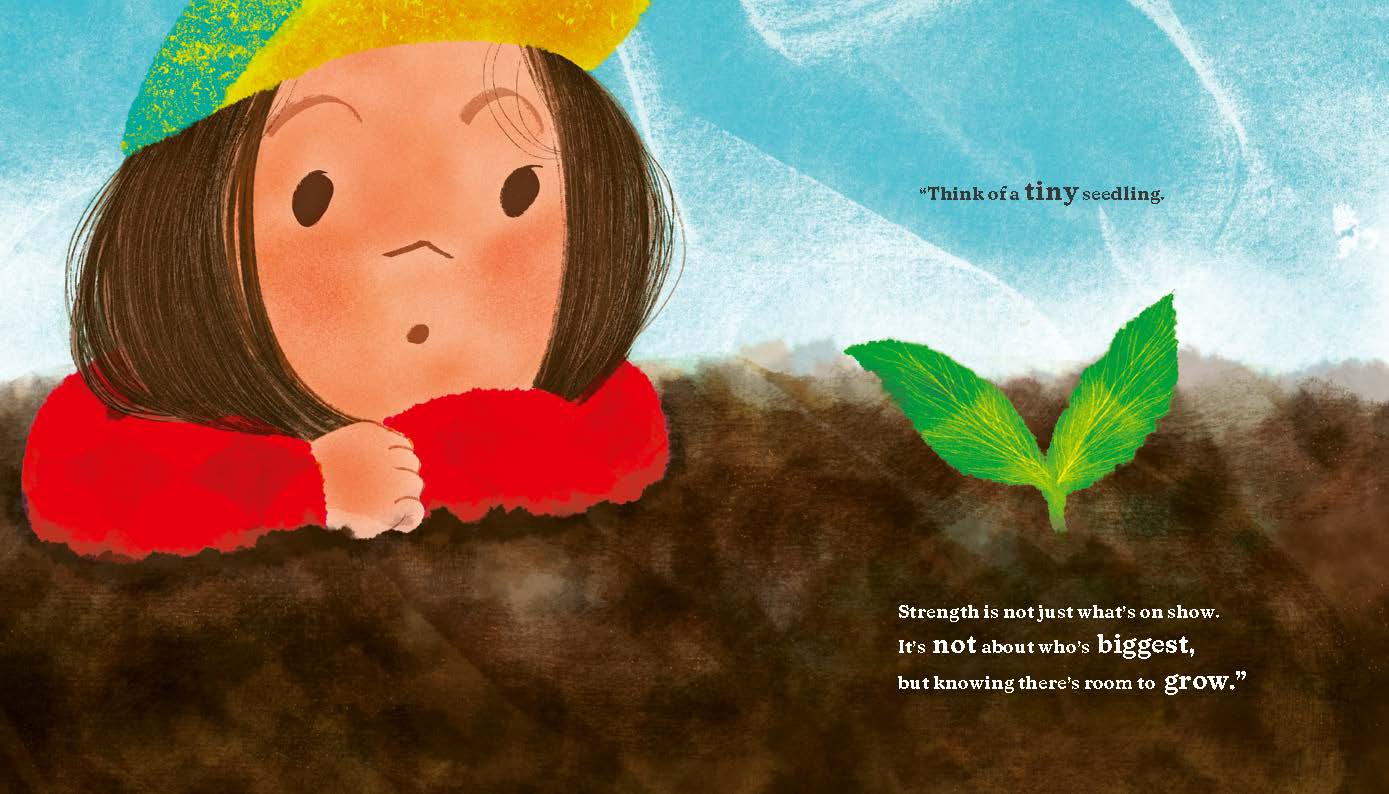
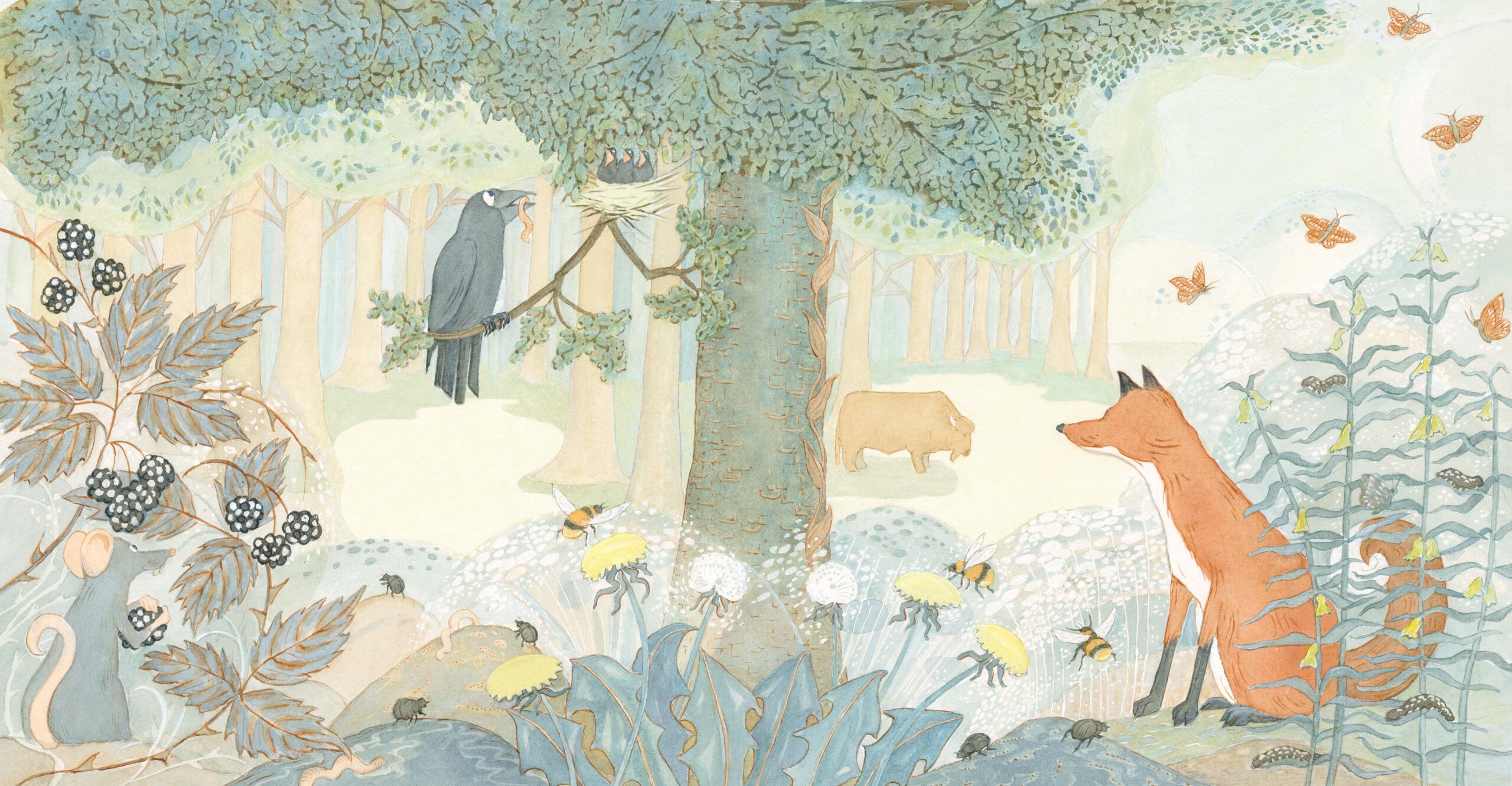
One of the pearls of wisdom I was given in recovery was to ‘find a tree’. The aim is to observe the tree, the way it adapts and shifts throughout the seasons. Notice how at times the tree grows big strong shiny leaves and flourishes, and at other times looks stripped naked—dead even—but that doesn’t mean the tree is not thriving, it’s still working hard on the inside. Nature is a wonderful metaphor for recovery, change and resistance by simply being. Strength is found in all different, unique ways. We all have our own ways of expressing our strength and showing up for ourselves and that should be celebrated.