:

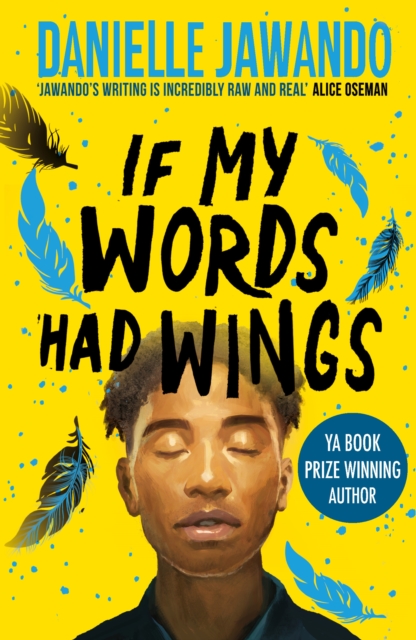
Danielle Jawando’s most recent book If My Words Had Wings is a sure fire way to inspire students who ‘don’t like poetry’ into at the very least giving it a try – maybe even seeing its true beauty!  If you are looking for something to open secondary students’ eyes to poetry and its place in the here and now, this book is just the ticket.

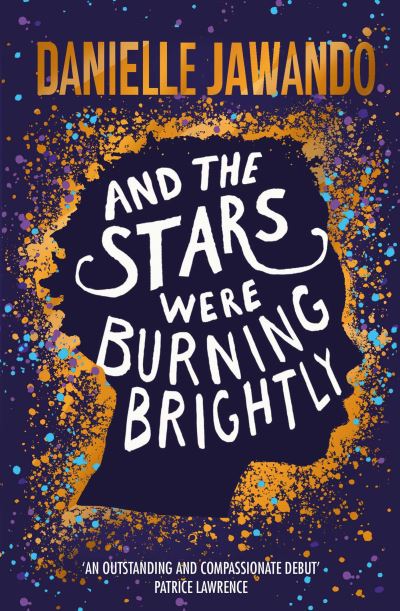
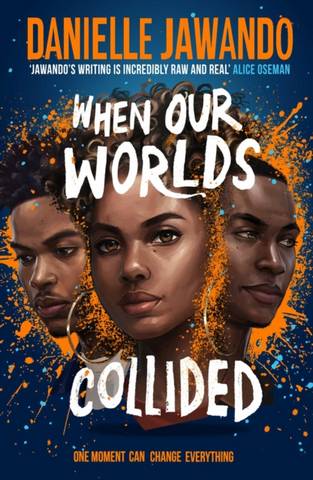
Like her previous books (And the Stars Were Shining Brightly and When Our Worlds Collided) this one hits hard, tackling a difficult topic delicately but without shying away.  And, it brings poetry alive.

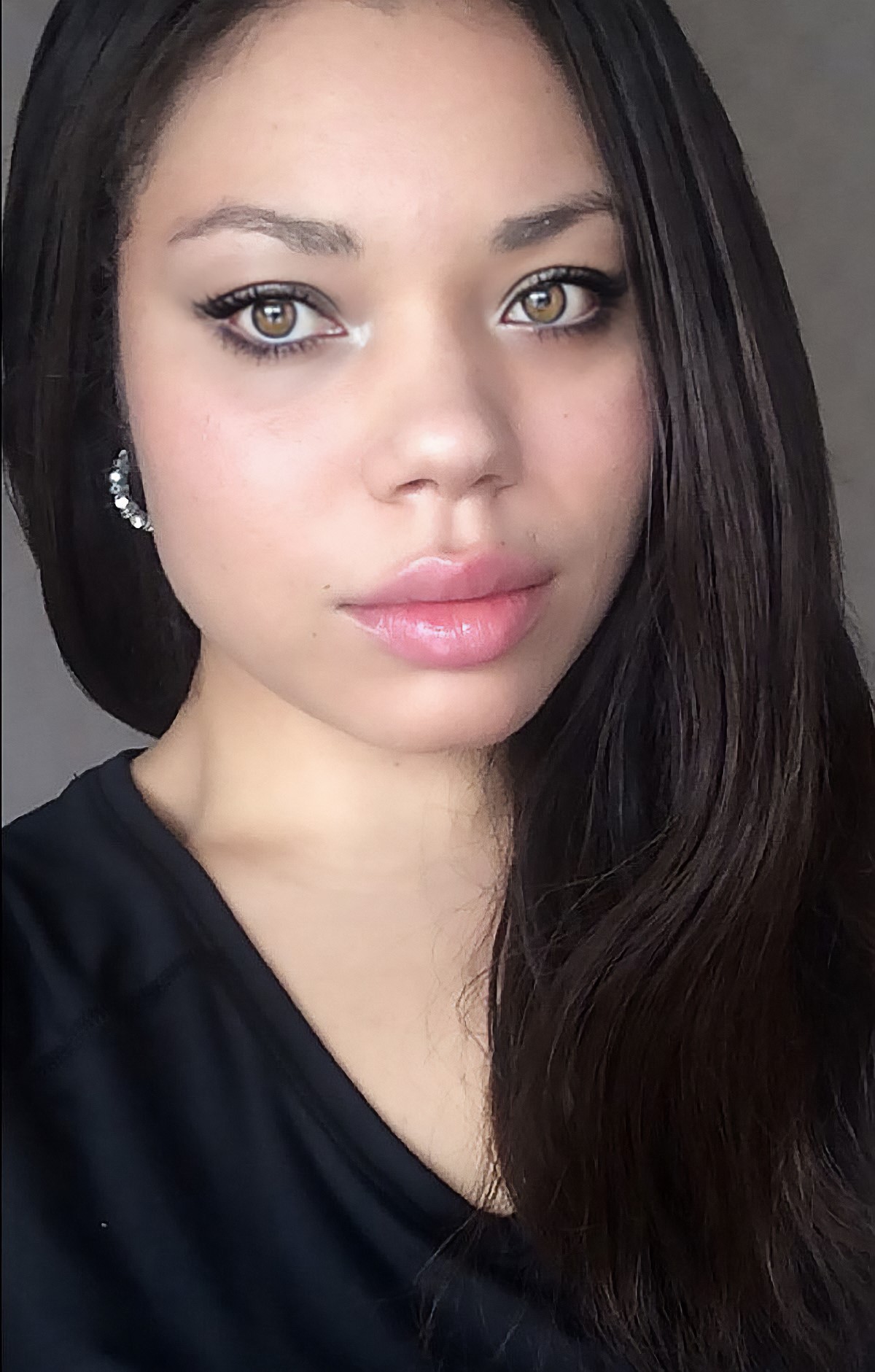
Danielle very kindly answered some questions for us about If My Words Had Wings and about writing poetry for the first time – so if you have students who don’t think poetry’s for them perhaps both Ty’s and her experiences about writing it may speak to them.

What drew you to writing the story of If My Words Had Wings and the character of Tyrell?

I’d been wanting to write a book like If My Words Had Wings that explores the justice and prison system for a really long time. I touched on some of these issues in my second YA novel (When Our Worlds Collided), but I always knew that these themes needed their own story and characters in order to really do them justice. I wanted to look at what it’s like for so many young people of colour who go through the justice system and it was important for me to write something that not only reflects what so many young people are experiencing, but that also encourages and challenges readers to think about the wider systemic issues and the deep-rooted racism that underpins every aspect of our justice system. I wanted to have a main character who is in a young offenders’ prison for making a mistake, in order to show the various forms of injustice that take place within these structures. How a young person can simultaneously have committed a crime and also be a victim of the system. It was crucial for me to show the violence and harm that’s inflicted upon young people of colour when it comes to the way that they are criminalised, policed and failed by so many institutions, policies and laws. Tyrell (and so many of the other characters in the book), talk about their different experiences of this, from being part of the gangs matrix, to tier experience with police officer’s in school and the way in which language is often used by those in power – Tyrell talks about the teachers referring to him and a large group of Black boys, as a ‘gang.’  Language also plays a huge part in the novel and the way in which the ‘gang’ label is used, when it comes to Black and brown boys. How this label is so engrained into every facet of society and the media, that when the words enters a courtroom, the young people on trial stand no chance. They aren’t seen as children, they are seen as ‘dangerous’ gang members. It also vital for me to explore joint enterprise (a law that disproportionately affects young Black and mixed-race boys, where an individual can be jointly convicted of the crime of another, if the court decides they foresaw that the other party was likely to commit that crime.) The gang label is used in so many of these cases to convict large groups of young people who haven’t cause to even planned to cause harm, and there are so many children who are serving life sentences under this law. Wings came out of the pain and  upset and anger of wanting to talk about all of these aspects of our justice system, because they affect so many young people. But, within this, I also wanted it be a celebration of the power of young people. A celebration of their voice, their creativity, resilience, passion, humour and hope. I do a lot of school visits and one of the most rewarding things, is seeing young people come alive in creative writing workshops where they are able to freely express themselves. This is even more imprint when it comes to joint enterprise case, where there are young people on trial for expressing themselves through music such as drill or rap and their art is then weaponised and used against them. So Wings is also about young people finding their voice in a world that often tries to silence and criminalise them. With Tyrell, I also wanted to show a young person who not have initially felt connected to poetry or writing because of his experiences at school. I’ve always believed that stories and words can change the world and Tyrell discovers this too. Like all teenagers, Tyrell makes mistakes. He’s vulnerable and funny and talented and layered and I really hope that readers (regardless of whether they’ve been through what Ty has), are able to connect with him. Are able to see the characters in this book, as children who have been failed and harmed by an entire system in so many different ways.  At the heart though, it’s me bringing to light what so many young people from certain communities face every day, and saying, I see you, you matter, you’re worthy and powerful.


How long did it take?

Two years!

What life experience or research did you draw on when building this world and the characters that fill it?

Out of all the books I’ve written, Wings is definitely the one that’s required the most research at every stage. I had so many different people outside of my agent and editor read this book and give me advice or feedback. I’ve worked with so many young people in various different capacities over the years (and I used to be a teacher in an FE college), so I knew that as well as showing the pain that can come with moving through the world as a young, Black boy, I also wanted to show the love and joy and tenderness and vulnerability that comes with this, that we often don’t get to see because of the way that Black boys are presented or perceived by the media and society in general. There are a lot of these moments of vulnerability and tenderness within this book. My experience working with young  people is definitely something that I always draw on and informs the way that I write and the characters that I write. In terms of the research aspect, I spoke to a lot of different people who work in or have been involved in the justice system various different ways – I spoke to young people who had been to prison, barristers, academics, probation workers and young people in care. A local organisation in Manchester (The Care Leavers’ Association) also allowed me to go in and talk to some young mend who had been in care and prison. The book evolved with each round of feedback and I could have easily written three or four books with the things I learned.

Who was the most difficult character to write (not Tyrell) and why?

Dadir without a doubt, was the most difficult character to write and is one of the characters that I often get asked about. When we meet Dadir, he’s serving a life sentence for murder under joint enterprise because he was in the area of where a murder took place. Like many of the character’s in this book, the gang narrative was again constructed in court in order to convict him, and his drill music video was used as evidence. It’s also the same for another character called Emmanuel. Every scene with Dadir was heartbreaking to write because as we know, his story is far from fiction. There are so many joint enterprise cases (similar to Dadir’s and Emmanuel’s happening up and down the country), and the Manchester 10 case was a really high profile one. It broke me when Ty left Ryecroft and Dadir was still inside, because it made me think about every single one of those real life cases.

Did the characters and story go where you thought they would?

Yes and no. Each time I interviewed or spoke to someone, the story changed in some way. Initially, there was no self harm in the novel, but after doing some research and talking to both probation workers and young people about how prevalent this is in prison and long after release, it felt really important for me to include this. The protest also wasn’t in the first draft (although, without giving any spoilers, what happens after that was always there.) It came to me a little later on but it’s an absolute no brainer that there would be a protest,  considering one of the themes is all about Ty speaking up and discovering his voice. I also found out much more about the relationship between Ty and his bother while writing and those moments were some of the most moving and painful to write.

Why do you think this story will be so relevant to student readers?

Often in schools, books like To Kill A Mockingbird are studied in order to teach young people about injustice and there’s so many reasons that we need to move away from this (the racist language used throughout and the white saviour narrative that’s presented, for a start!) Books that explore the justice system in the UK aren’t usually read or studied in schools, which is surprising, when you think about how many children are being sent to prison and how many young people are being affected by the issues that are presented in the book. I think it will allow a lot of student readers the space to be able to discuss and explore  what’s happening within their own communities and even those students who might not be aware of things like joint enterprise, will gain an insight into the current issues within our justice system.

Did you also write the poetry? What would you say to teachers/students who struggle with the idea of reading/writing poetry – that it’s not for them?

I don’t write poetry at all, this was the first time I’d written it and I was honestly terrified! There’s the famous quote about people who might not necessarily enjoy reading just needing to find the right book and that’s absolutely the same with poetry too. There are so many incredible poets out there and it’s just about finding a particular poet or type of  poetry that speaks to you. When it comes to writing poetry too (and I can confidently say this a non-poet), I’d say to just have a go, play and experiment and get used to putting your words down on the page, then look at the rules after.  There’s also a list of incredible Black British poets that Ty discovers in the book, which I hope might provide a reading list for any students or teachers who might be interested in reading or writing poetry.

Do you think Tyrell would read this book? Would he enjoy it? Why/why not?

I think he would, although I know that he’d definitely put it down if he didn’t like it. I think he’d enjoy it because of the way he would see himself and so many people he recognises in the pages of the story.

Your proudest part of this story

Definitely writing the poetry and also the protest that Tyrell and Leesh organise. It felt like such an important and profound moment in the story. I also felt  immensely proud of Ty for having the courage to speak out and read one of his poems during the protest too.

The most difficult part of this story

The poetry, as I was so nervous to write and it I felt like such a fraud. Also, the scene where Ty comes back from college and sees that his house has been raided and he ends up being strip searched by the police was incredibly difficult and painful to write, especially as it shows that there’s nowhere (not even his own home), where he feels safe. Also, the conversation he has with Dadir where Ty realises that Dadir’s appeal has been dismissed and that he’s essentially moving further into the system, because he’s now on an older wing in prison, was really tough to write.

What you hope readers will get from reading it

I really hope that so many young people will feel seen and heard because this book is truly for them. I also hope that it encourages readers to look up into the world at the systems and structures and polices and laws in place, that harm so many young people of colour .but I also hope that it enables these young people to see the power in their words and voice and that if the want to be a poet or a writer, then they absolutely can too.

Anything else that you really would like librarians and/or teachers to know about this book or the writing of it.

There’s a list of charities, resources and organisations included at the back of the book if any young person should need these. I wasn’t able to list everything in the back of Wings, but some more can also be found here

Please do check out and follow Kids of Colour too and the vital, necessary and urgent work that they do.


Huge thanks to Danielle not only for answering our questions with such depth but also for writing If My Words Had Wings!

You can read about each of Danielle’s books by clicking their image below.

Sneak Peek feature Beautiful e1765979343946

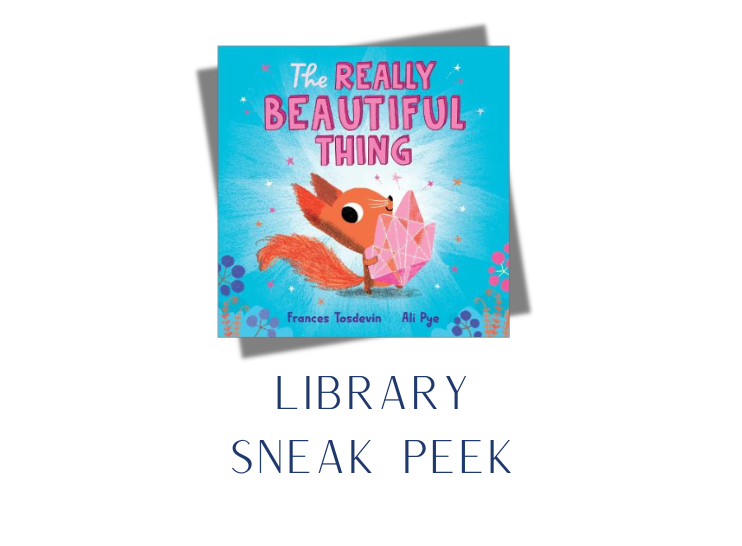
Library Sneak Peek: The Really Beautiful Thing by Frances Tosdevin & Ali Pye

Spotlight How We Used to Live feature

Introducing: How We Used to Live

Poetry by Heart Globe

Our Experience: Poetry by Heart

Author Event Josh Lacey 1 e1764842412373

Author Events: Josh Lacey