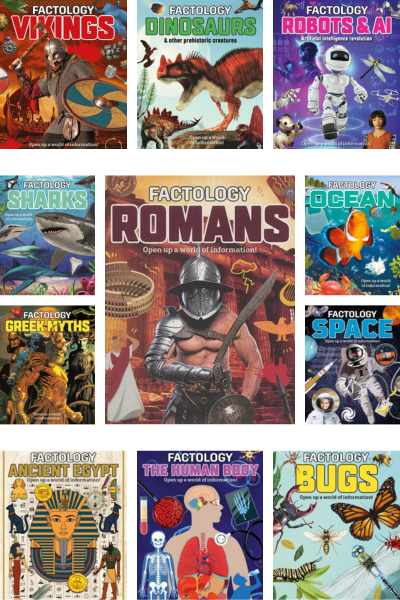
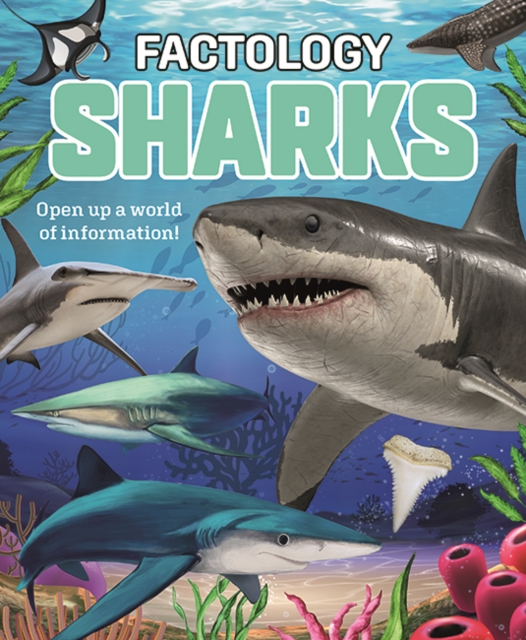
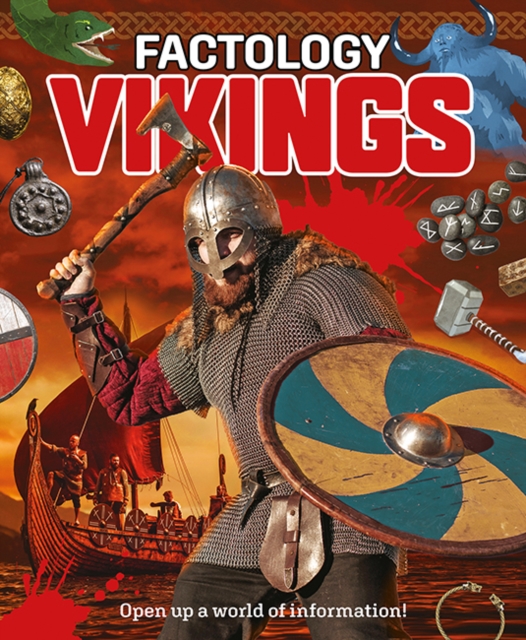
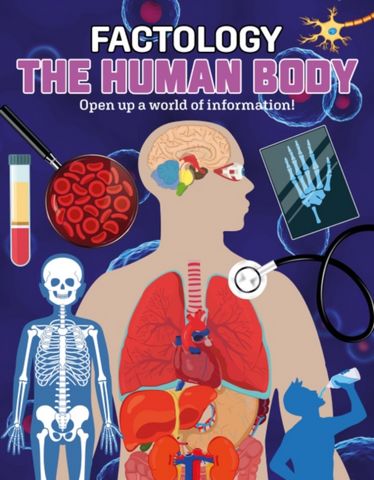
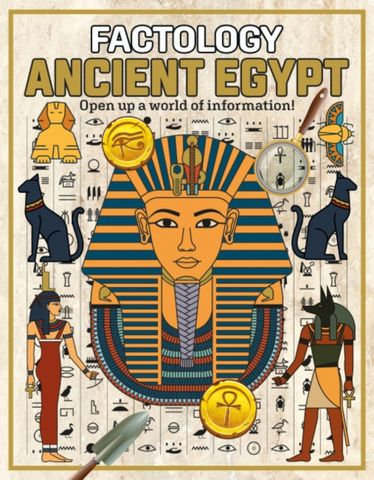
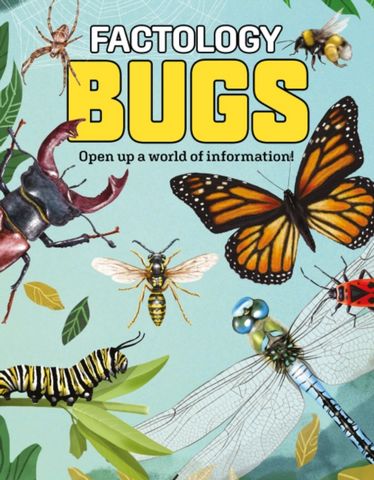
What inspired the creation of this books series?
We wanted to create a series that makes learning fun and visually engaging. Children love learning interesting facts, but many non-fiction books can sometimes feel difficult to digest. So, we looked at how kids consume content today – in short, visual and interactive formats – and aimed to combine bite-sized information with dynamic illustrations to spark curiosity and excitement about learning.
How do you ensure that the books are both educational and entertaining?
The key is engagement. Firstly, we carefully select topics that captivate children, then we present information in an exciting way – using infographics, fun comparisons and compelling narratives. As our primary audience is children aged 8–14, we make sure the language is clear while avoiding oversimplification. The use of visuals, timelines and bold statistics also helps to break down complex ideas in an age-appropriate way.
How do you choose the topics for each book in the series?
We consider a mix of “classic” interests (dinosaurs, space, technology) but also topics relevant to our times (artificial intelligence, climate change). We consult with educators and parents to ensure these topics align with what kids are curious about today.
What are the biggest challenges in making complex topics accessible to young readers?
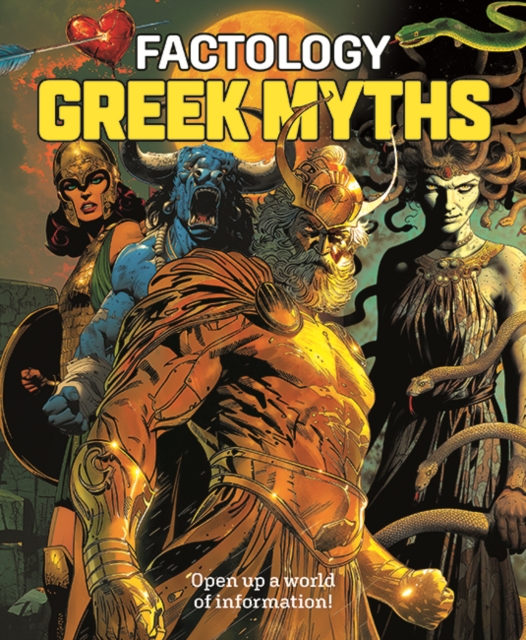
One challenge is simplifying information without losing accuracy. We must ensure that even when we use simpler language, the core facts remain correct. We also make sure that each book builds knowledge progressively so that readers don’t feel overwhelmed. Summing up the complexity of Greek mythology for young minds in just one book is a Herculean task in itself!
How do you verify the accuracy of the facts presented in the books?
We rely on trusted sources, including academic research. We also collaborate with historians and scientists as well as authors to present their work to our young readers. When we work with illustrators, our designers provide them with guidelines and reference images. Finally, every book goes through a rigorous fact-checking process before publication.
The books are highly visual – how do you balance text and illustrations?
We aim to offer tons of facts in an eye-catching design, so we use lots of bold colours, playful fonts and dynamic layouts; however, infographics, diagrams and illustrations don’t just decorate the page – they serve an educational purpose, helping to explain concepts visually. Each spread is designed to keep readers turning the pages, with interactive elements like “Did You Know?” facts and quizzes to reinforce learning.
What do you hope children take away from these books?
Above all, a love of learning. We want kids to see knowledge as exciting and to develop a natural curiosity about the world around them. If our books spark a lifelong interest in history, science or technology, we’ve done our job right!
How has the rise of digital media affected the way you approach publishing fact-based books for kids?
Kids today are used to interactive and fast-paced digital content, so we must compete with that. This means making books as engaging as possible – more visuals, more interactive elements and more opportunities for discovery. However, we also believe that books offer a unique learning experience that digital media can’t fully replace, especially in the school environment.