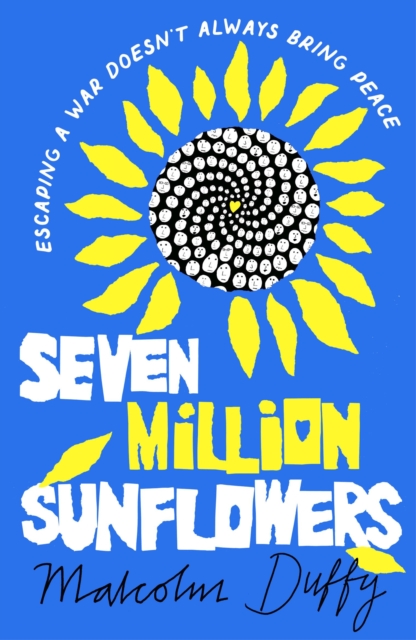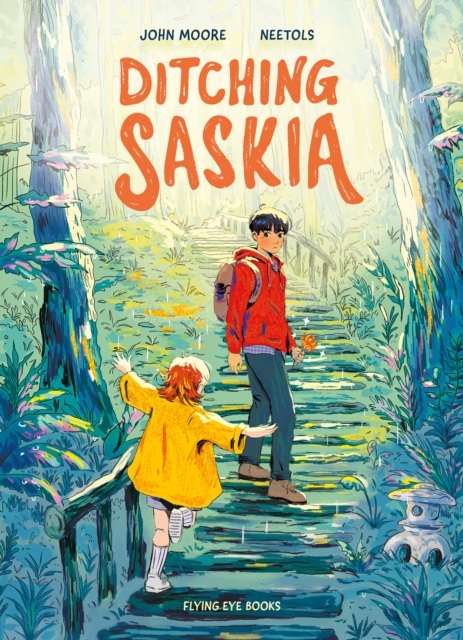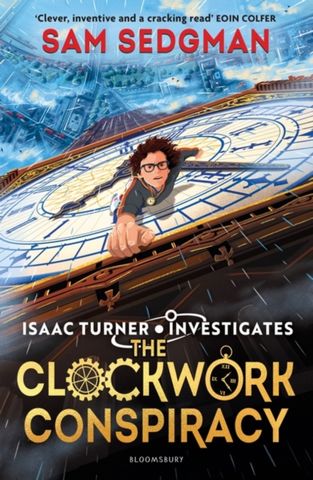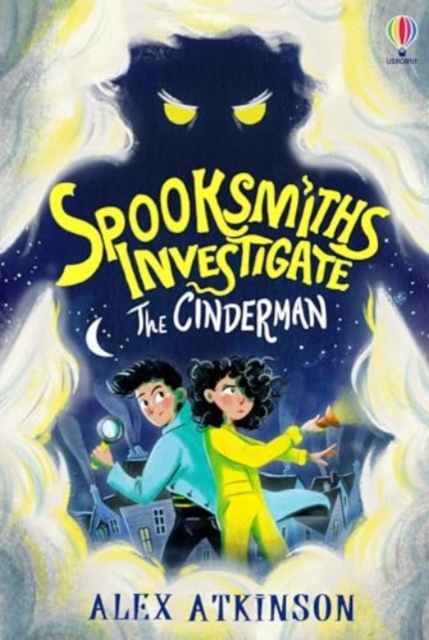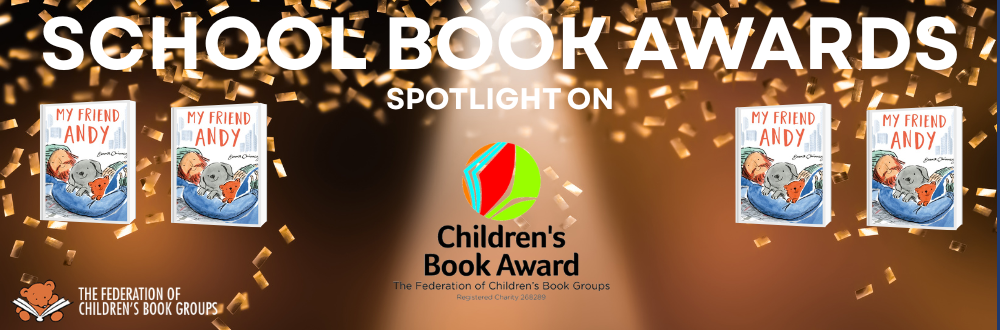
Every year the Federation of Children’s Book Group (FCBG) host an award entirely judged by children. Across the country children first narrow nominees down to Top 50 Pick of the Year. From here, 10 finalists are selected that cover three categories – Younger Children, Younger Readers and Older Readers – and then countrywide voting opens! Since beginning in 1981, the FCBG Children’s Book Award has recognised both big name authors alongside newer and less well known ones and it will again 2025!
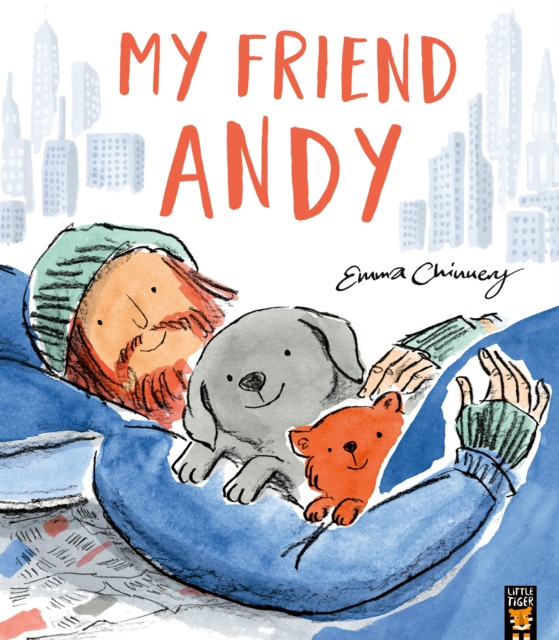
 Emma Chinnery is a finalist in the Younger Children category with My Friend Andy which she wrote and illustrated.
She has very kindly answered some questions for us about her book…
What drew you to writing My Friend Andy?
A few years ago, while living in London, I took my lunch break from work in the park and made a quick sketch from life of a tiny tent with large London terraces standing tall behind it. After that, the subject of homelessness was on my mind and the poor people suffering homelessness on my half hour walk to work were constant reminders of this subject. I wanted to write a children’s picturebook on this topic because I noticed that while people passed someone suffering homelessness, adults would often look the other way while children would gaze openly and with questioning eyes at the person. I wanted to look at the world with a child’s-eye-view, the same height as a person sitting on the floor, and create a book that might start to explore some of the questions children have on the subject of homelessness.
What experience and/or research was involved in bringing this particular story to life?
As mentioned previously, drawing from life on the streets of London was an excellent source of research for the characters and environments for my story to take place in. I drew an underpass tunnel where sadly someone had been sleeping, I drew people as they went about their day on the high street, I drew dogs playing together in the park. I never drew people suffering homelessness directly but one particular man who I passed on my walk to work was playing guitar with his dog by his side. This pair gave me the idea for the characters of Andy and his dad.
Why do you think young readers will be drawn to this story?
As children, many of us have had the scary experience of losing our parents while out in town and I think this happening to Fluffy early on in the story helps children to empathise with this character and then experience the adventure she goes on through her eyes. I also think children have many questions of the topic of homelessness and I hope this story gives children a safe space to discuss and explore this with adults.
How long did it take to write and illustrate?
I first began writing this story in 2019 and it went through many iterations and re-writes because homelessness is such a tricky topic for a children’s picturebook. I wanted to make sure that I created this story in a sensitive way that was treated the topic respectfully and have a positive feel without being unrealistic.
Which comes first in terms of story and illustrations and how do they come together?
The writing and illustrations are created at the same time in little paper ‘dummy books’. I make many of these, drawing and writing at the same time so I can see how the text and images are working together with the page turns and pacing of the book. This process allowed me to realise that the text and images should say different things: the text is Fluffy’s child-like first person narration which, if read alone, tells the story of being lost in the city, befriending and staying with Andy and finding her way home. Only through the images do we see that Fluffy and Andy are dogs, that Andy and his Dad are suffering homelessness and sleep in an underpass tunnel. This gap between what the text says and what the illustrations show gives the reader space to have their own thoughts and interpretations of the story; it was important to me that the book didn’t feel preachy or push an obvious message.
Who was the trickiest character to write and/or drawn and why?
The main narrator, who in the end was Fluffy, was the trickiest character to write. Fluffy was originally going to be the child character Lilly. However the story wasn’t working because it doesn’t work in a children’s picture book for a child to be lost and stay overnight with a stranger and his dog in an underpass. When I realised that I should use Fluffy as a child-like character instead, the story was working much better for young children. Animal characters are great for allowing children to have experiences and meet characters through the safety of the eyes of a dog and the pages of a book.
Your proudest part of My Friend Andy?
The positive ending, which was difficult to write! I wanted it to be happy but realistic and leave space for readers to imagine what happens next in the story.
Bonus barely-related question: what’s the best thing about dogs?
I love the smiley grins on dogs’ faces and the way they look so happy to see you!
~
Many thanks again to Emma for her time spent answering our questions.
You can find out more about My Friend Andy and the other titles in the FCBG Children’s Book Award using the links below or find the full Top 50 with great discounts for schools by clicking here.