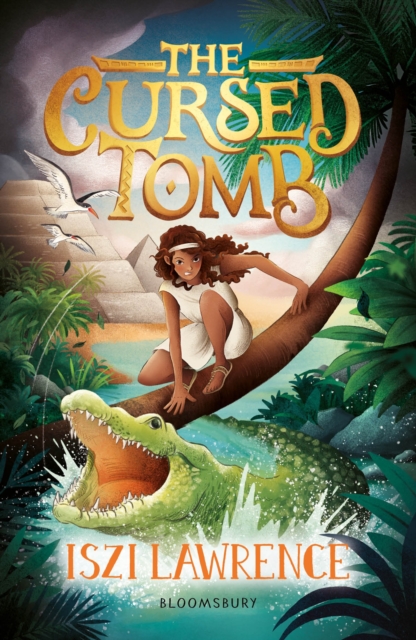
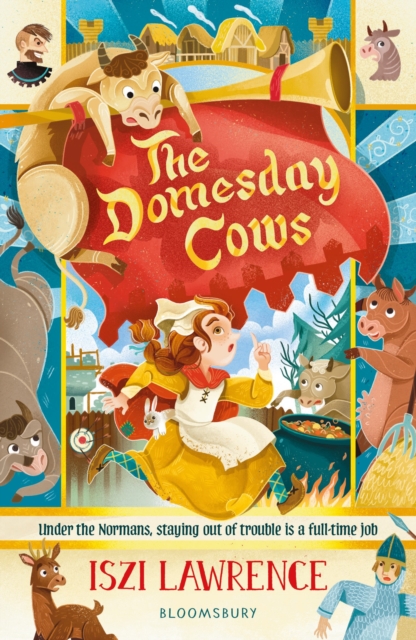
As I love to include as much reality as possible (even the weather is correct in The Unstoppable Letty Pegg) I find it hardest to write about periods of time where there isn’t much written history to go off of. Strangely it was in some ways easier to write about 1249 BCE in The Cursed Tomb than it was to write about 1086 CE in my upcoming novel, The Domesday Cows. Strangely, I found much more information about Ancient Memphis than high medieval Chester. Working through the organisation of the temples and high priests is a lot simpler than working out who was fighting who for which bit of Wales at what time two thousand years later.
Part of why Ancient Egypt is so great to write is that even the most basic facts about them jump off the page. They believed you thought with your heart, not your brain? Every fact pops out as brilliant world building. Whereas so much of what we assume about high medieval England is just plain wrong. They didn’t have fireplaces… they didn’t eat carrots… they often weren’t allowed to hunt deer… they believed in Elves… Witch trials are early modern, not medieval.. It is hard to write a book where you have to explain that, yes, entire families share a bed, it seemed disgusting to have toilets inside buildings and all the posh people spoke French.
Ultimately there is no time period that puts me off. Alex and Sunil in The Time Machine Next Door have gone as far back as the late Jurassic (returning a pterosaur called Dave back home). Of course the pterosaur depicted as well as what they meet in the forest is all based on the latest science. However, I do prefer to slip into the minds of our real human ancestors, walking around seeing the world as they saw it, with no idea of what the future will hold.
Where do I go next? Wherever history points me towards!
~
Many thanks to Iszi for sharing her insight into writing historical fiction. You can find lots of her books below and our Historical Fiction list here.