Do you have a particular place or time you enjoy composing poetry?
After I’ve come down in the morning, let the dog out and fed her, I then make a cup of tea and go back to bed for thirty minutes. This is when I find that the ideas really flow. Maybe something to do with the mind not being cluttered yet with the happenings of the day. I wrote much of my new verse novel in these thirty minute slots.
Can you remember poetry at school? Did it help or hinder your love of poetry?
The poetry I was offered in school made little impression on me at the time. Generally it was inappropriate poetry at an inappropriate age delivered by teachers who themselves had little enthusiasm for the subject. It wasn’t until I picked up a book of poems by the Liverpool Poets – Adrian Henri, Roger McGough & Brian Patten – that I realised that poetry could be fun, that it could speak to me in a language that I understood and that it had relevance to my life as a teenager.
What’s a poem you love that you think really showcases how much emotion (of any kind) poetry can demonstrate – it can be one you your own!!!
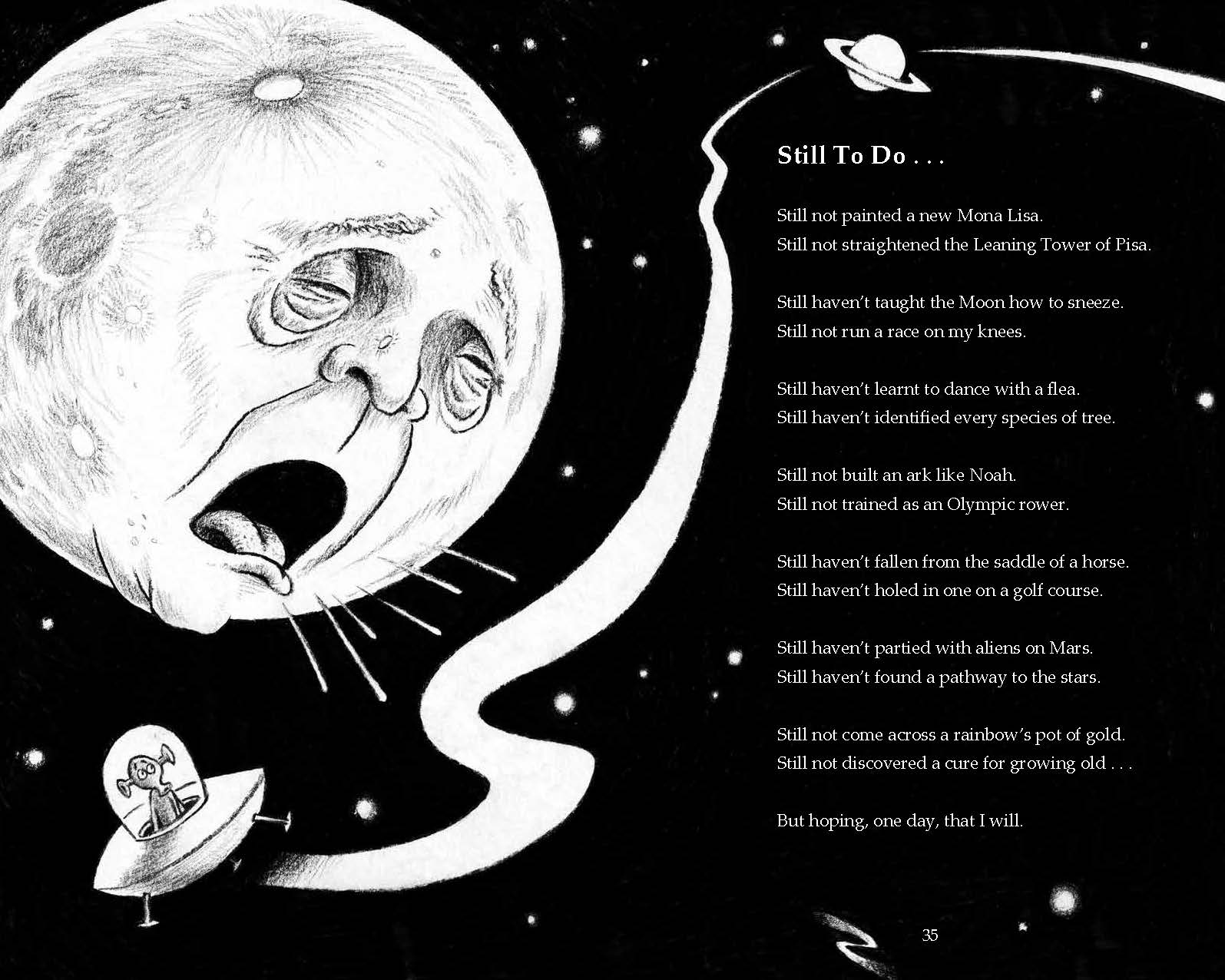
My poem ‘Space Dog’ is about Laika, the dog that the Russians sent into space. When I perform it in school sessions I sometimes see teachers brushing away a tear. For me it would be ‘When You Are Old’ by W.B. Yeats as I’m feeling much affinity with it these days!
What’s the biggest misconception about poetry?
That it has no relevance in people’s lives but then often they turn to it in times of sadness or bereavement.
Why do you love it?
It’s an addiction. Poetry touches every emotion. It can make you smile, laugh, shiver, think, wonder. It can make you sad and it can comfort you. It can say a lot in little, but what it does say can be so powerful that it remains with you through your life.
Poetry is much more enjoyable and satisfying than many children think, what would you say to kids not sure if poetry is for them?
I’m not sure that there’s anything I can say to encourage children to enjoy poetry, but I do know that many teachers have told me that reluctant children have changed their minds when they have seen a performance of my poetry and percussion show. Actually demonstrating that poetry can be enjoyable, either via YouTube or a live performance can bring results.
And what would you suggest to teachers who are hesitant to teach it, how might they introduce or attempt a series of fun poetry lessons?
Check out my blog here – there are over 700 pages with fun ideas for both writing and performing poetry.
What is the potential of poetry?
Poetry for children nurtures imagination and a love of language through rhythm, rhyme, and meaning. It helps develop emotional expression, listening skills, and memory in a playful, accessible way. Poetry also invites children to see the world creatively, building empathy, confidence, and joy in reading and self-expression.
~
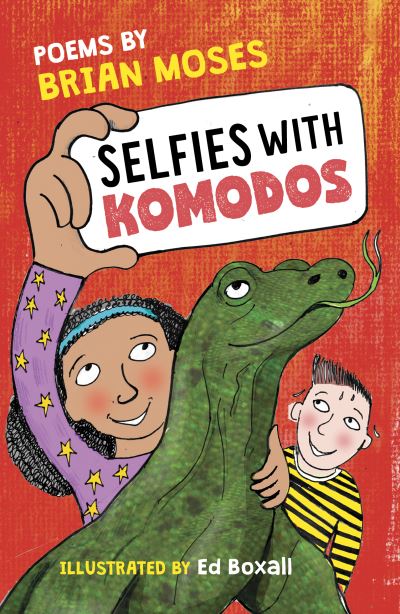
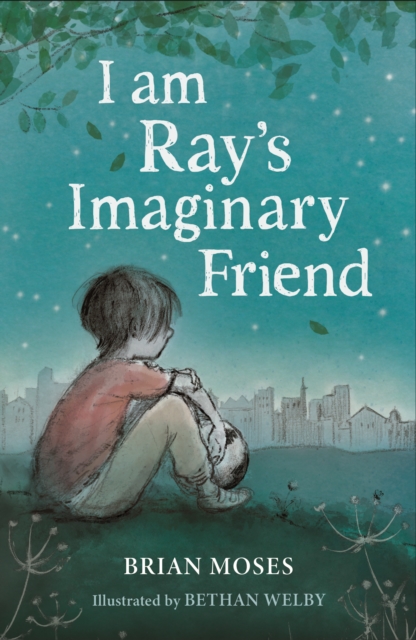
Many thanks to Brian for sharing his poetry insight. You can find out more about some of his poetry collections for primary and secondary students below and get details on how he can visit your school by visiting his site here.