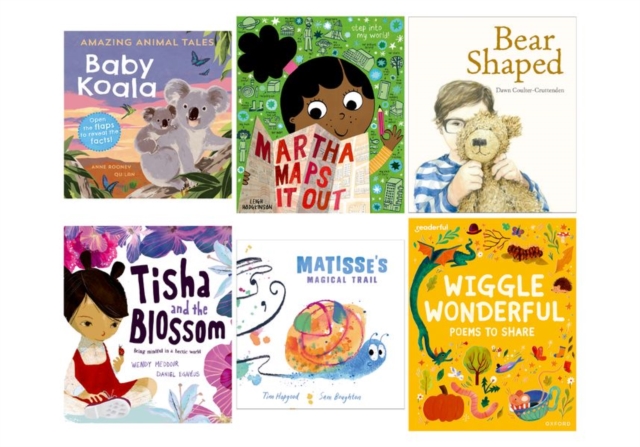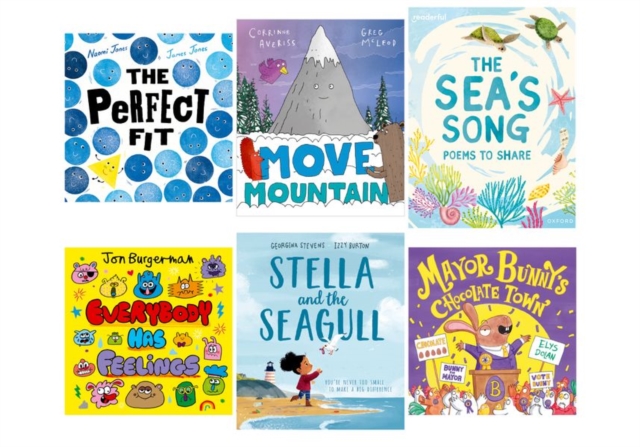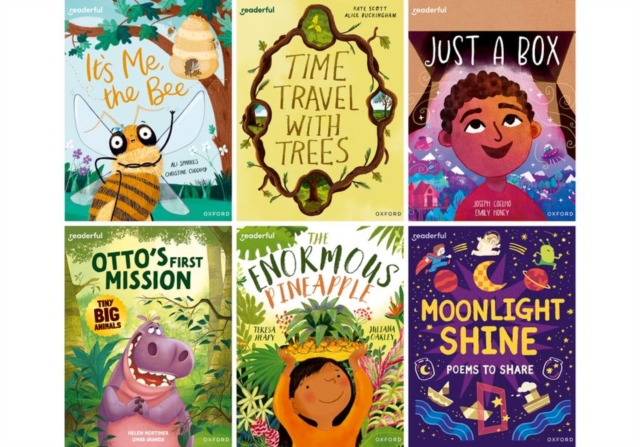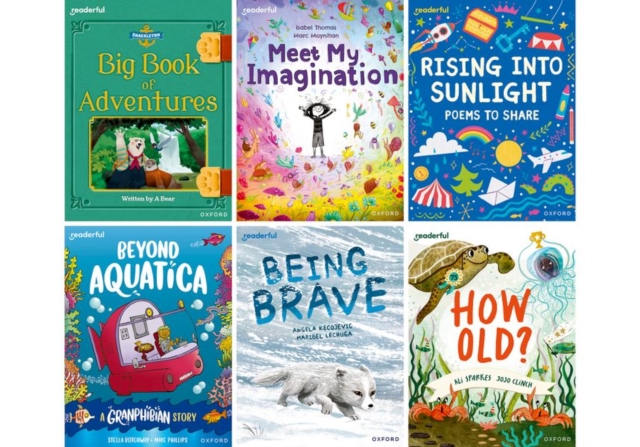
Just keep reading, reading, reading…
Exposure to language and plenty of print experience is likely to have a far greater impact than trying to master a list of ‘reading skills’, analysing different genres of writing, or answering pages of comprehension questions.
Just putting in the practice: reading, listening to, thinking about and discussing lots and lots of lovely books can make all the difference to children’s reading ability.
Of course, the ‘reading lots independently’ element relies on being able to peel the words off of the page quickly and accurately, which relies on a particular diet of teaching in Reception and Year 1. After phonics, once children are at the stage where they can read most words quickly and figure out any unfamiliar ones they encounter, it is experience of print and language that drives improvement in reading.
Time spent reading lets children practise reading the words, building proficiency and reading stamina. It provides the chance to meet new words, ideas, language constructions and knowledge, all of which make future reading easier.
Every teacher knows that the children who read a lot tend to find reading easier and more enjoyable. They know classrooms that are full of books with time for stories and book talk tend to help children to become readers. The tricky part is finding the time – there are lots of things competing for time with reading, both for teachers with a packed curriculum to cover and for children with all the other things going on in their hectic modern lives.