
Do you have a particular place or time you enjoy composing poetry?
Poetry arrives in unexpected places and at unexpected times! I remember the Australian poet Les Murray describing it as “a painless headache”. And when it arrives, I find I can, and do, work on a poem in any place at all. That’s one of the freedoms of poetry.
Can you remember poetry at school? Did it help or hinder your love of poetry?
At primary school age, poetry was presented as something serious, and dense, and intense. So that didn’t help. But I was lucky to have a couple of English teachers at secondary school (one a poet, himself) who loved poetry and lived their love of poetry in front of us. That was helpful.
What’s a poem you love that you think really showcases how much emotion (of any kind) poetry can demonstrate – it can be one you your own!!!
BEATTIE IS THREE
At the top of the stairs
I ask for her hand. O.K.
She gives it to me.
How her fist fits my palm,
A bunch of consolation.
We take our time
Down the steep carpetway
As I wish silently
That the stairs were endless.
by Adrian Mitchell (I remember him saying it was the best poem he’d written) published in The Apeman Cometh in 1975
What’s the biggest misconception about poetry?
That it is impossible to make sense of. Actually poems are usually careful and dedicated attempts to find the most POSSIBLE way to communicate with words.
Why do you love it?
Because it doesn’t explain. (Explain literally means to lay out flat.) Poetry surprises, tantalises, confuses, provokes, delights, opens, and enlivens! And we all need a break from explanation. We’ve had it up to the neck in explanation, since school days.
Poetry is much more enjoyable and satisfying than many children think, what would you say to kids not sure if poetry is for them?
It’s not that you don’t like poetry, it’s just you haven’t found the right poems yet.
And what would you suggest to teachers who are hesitant to teach it, how might they introduce or attempt a series of fun poetry lessons?
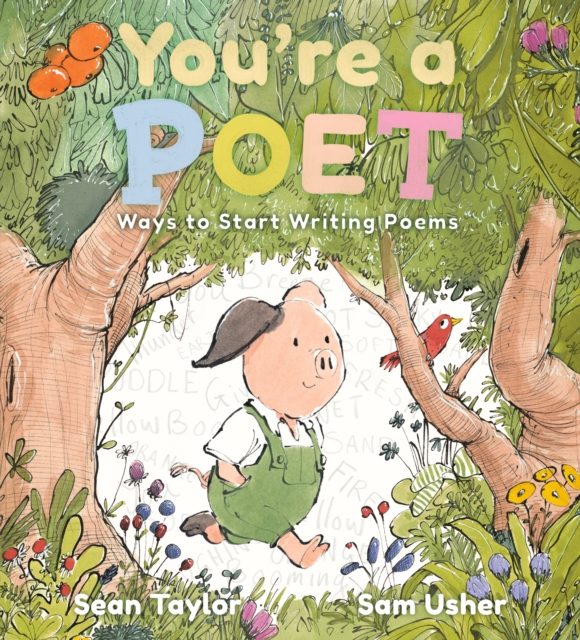
For children aged 7 and under – please see my book YOU’RE A POET. That contains for five simple ways into poetry for the very young. For teachers of older children – find some poems that you’re curious about, or inspired by, or find funny or moving. (It may be easier to do this finding than you think.) Then start by just reading these poems aloud to the children you are teaching.
What is the potential of poetry?
“if you dribble past five defenders, it isn’t called sheer prose.” Scottish poet, Tom Leonard
~
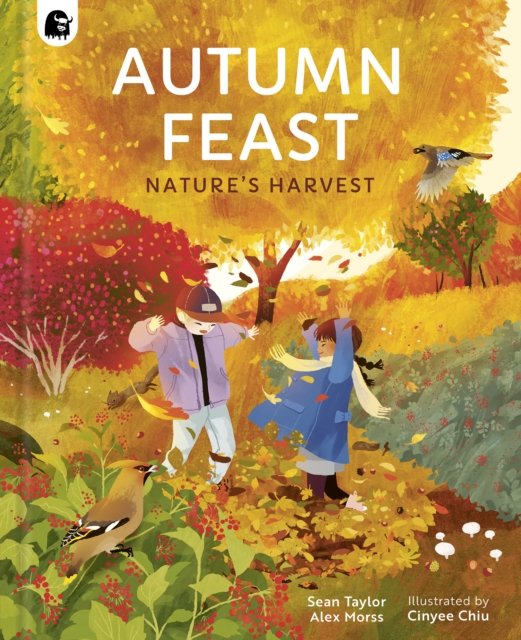
Many thanks to Sean for sharing these answers. You can find out more about some of Sean’s poetry collections below and get details about his books, events and visiting your school via his website here.