What mediums do you use? How long does it take, and what are the steps from idea to finished page?
I start with the text printed out on good old A4 paper and read it for the first time, pencil in hand, responding almost like a child. Which moments would I have wanted to see illustrated? I scribble drawings and notes in the margins as I go, underlining the moments that really leap out at me. The text is so rich and visual that I could have kept adding more and more pictures.
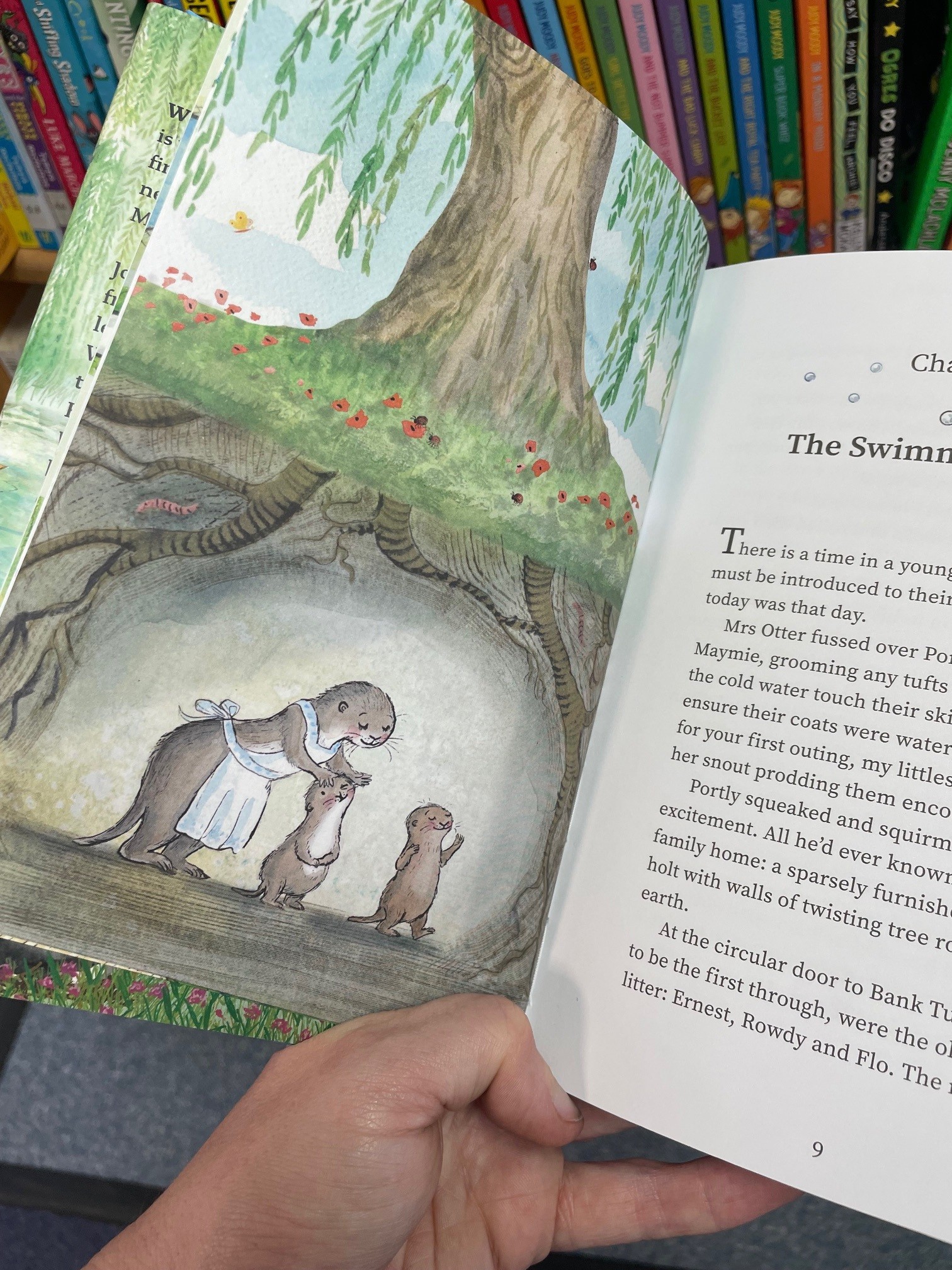
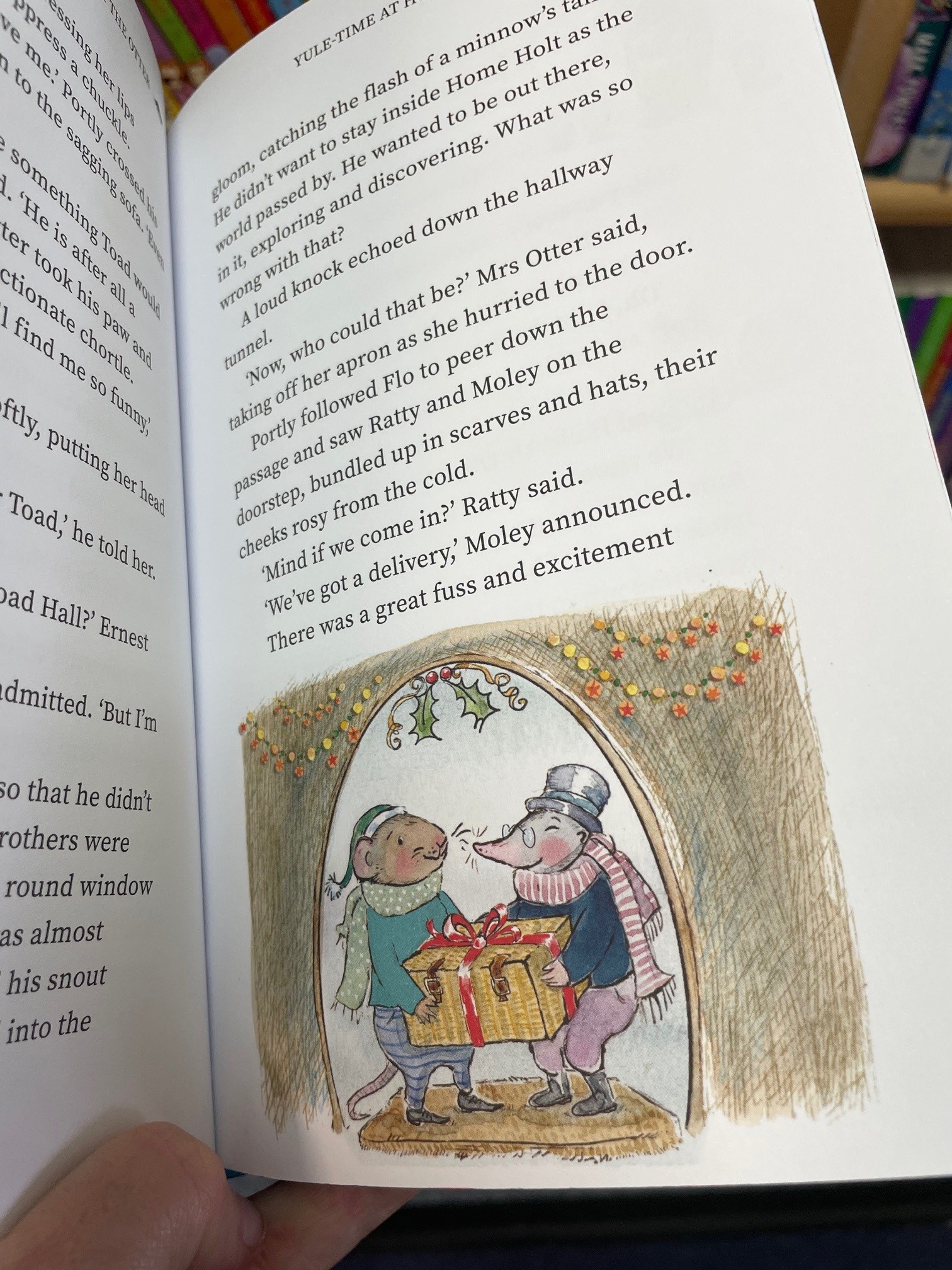
The final artwork is created in watercolour. It feels important to have real paint involved. There’s an unpredictability to watercolour that feels right for the riverside. I use Photoshop for corrections and to layer scenes together. It is very much one foot in tradition and the other making use of technology.
Who’s your favourite of the four original Grahame characters, and why?
I’ve always loved Toad. Don’t we all? The scene where he’s shot into the sky by fireworks was irresistible to draw. There’s such theatrical chaos about him.
There is also something deeply reassuring about Mole and Ratty they feel like dear old friends, almost great uncles in children’s literature. MG Leonard and I were lucky enough to see the original Shepard drawings in the archive. One particular illustration of Ratty and Mole in the snow was so alive and endearing. Seeing the pencil marks and splodges of painterly snow on their little winter coats was incredibly moving. You could feel the presence of Shepard.
What was your favourite of Portly’s adventures to illustrate?
I was delighted when Jennifer was introduced, a young girl captured in the Wild Wood. When I reached that chapter, my eyes widened. It was so unexpected. As a child I would have seen her and thought, that’s me, I’ve entered the actual story. Woo-hoo!
And then there’s the extraordinary Pan chapter. It’s transporting and mystical, and yet often overlooked. For me, that was the most glorious image to create. I love the bustling river scenes, picnics and parties in the Wild Wood, but this chapter has a stillness: the sense that childhood is magical and fleeting, difficult to hold, like the light just before dawn, there one minute, gone the next.
The illustrations are an invitation into nature. What do you hope readers take from them?
I’m lucky enough to live by the River Waveney in Suffolk, and I have a young and energetic dog who needs walking twice a day whatever the weather. While I was illustrating the book, I would step outside between pages. While Frankie sniffed, I took in the hedgerows, the dragonflies and the way the river rippled depending on the sky. I noticed the ferns slowly unfurling over the weeks as I worked.
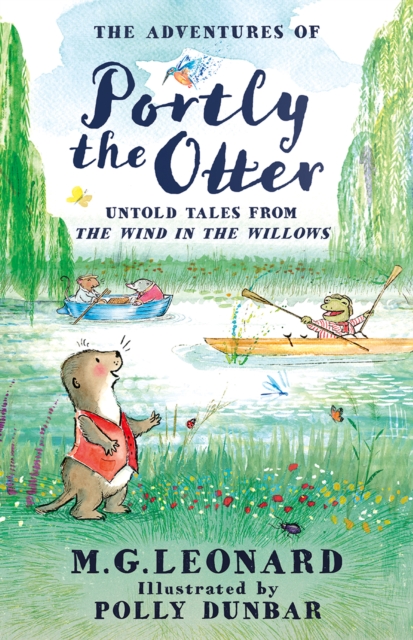
My youngest son is eight years old, and Portly is the kind of reassuring book I’ve longed to happen across. It’s beautiful to read aloud, and it’s perfect for that in-between chapter book and picture book stage. He loves the story so much he has chosen to dress as Portly for World Book Day, the first time he has ever picked a character I’ve illustrated, and there was absolutely no prompting from me. I think that is the highest compliment. It feels as though the baton has been passed from my childhood to his, and that makes me very happy.