For students reading wondering how a book comes together, what top three skills do you think are necessary for being an editor in 2026?
First and foremost, a passion for stories, and a sense of your own personal taste. This will ensure you’re always working to make a book the very best it can be for its intended readership. It’s also important to be able to look outward – an awareness of the wider world your readers are living in, so you can engage with what people actually care about right now. Finally, being able to approach a project with a big-picture lens is crucial to ensure you can see how all the elements of a story stitch together and provide cohesive, holistic notes.
Many readers of your nominated book will be teenage students. What book do you remember reading at that time that has stuck with you into adulthood?
Charlie: For me, it was big, iconic, speculative worlds. Twilight, The Hunger Games, Divergent . . . you know the type!
Emma: I loved those too, but I was all about voice-led, relatable fiction when I was a teenager. Judy Blume and Jacqueline Wilson – I couldn’t get enough!
We’d love to know: the Worst Bit, the Best Bit and a Random Rest bit about editing a book for young people.
- Worst bit: The humbling moment where you suggest an edit that your author has to correct – because you’re too old to get the reference . . .
- Best bit: It’s always going to be hearing from young people about what they loved. The editing process puts us straight back into that teenage headspace, and getting that feedback from kids and teens is so rewarding.
- Random rest: It’s always fun to try and get a room full of serious adults thinking like kids!
~
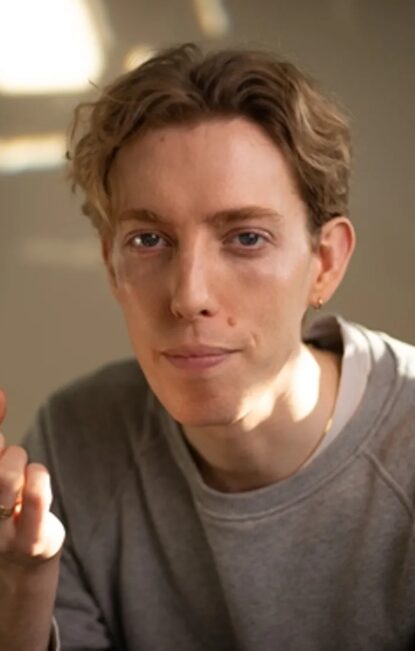
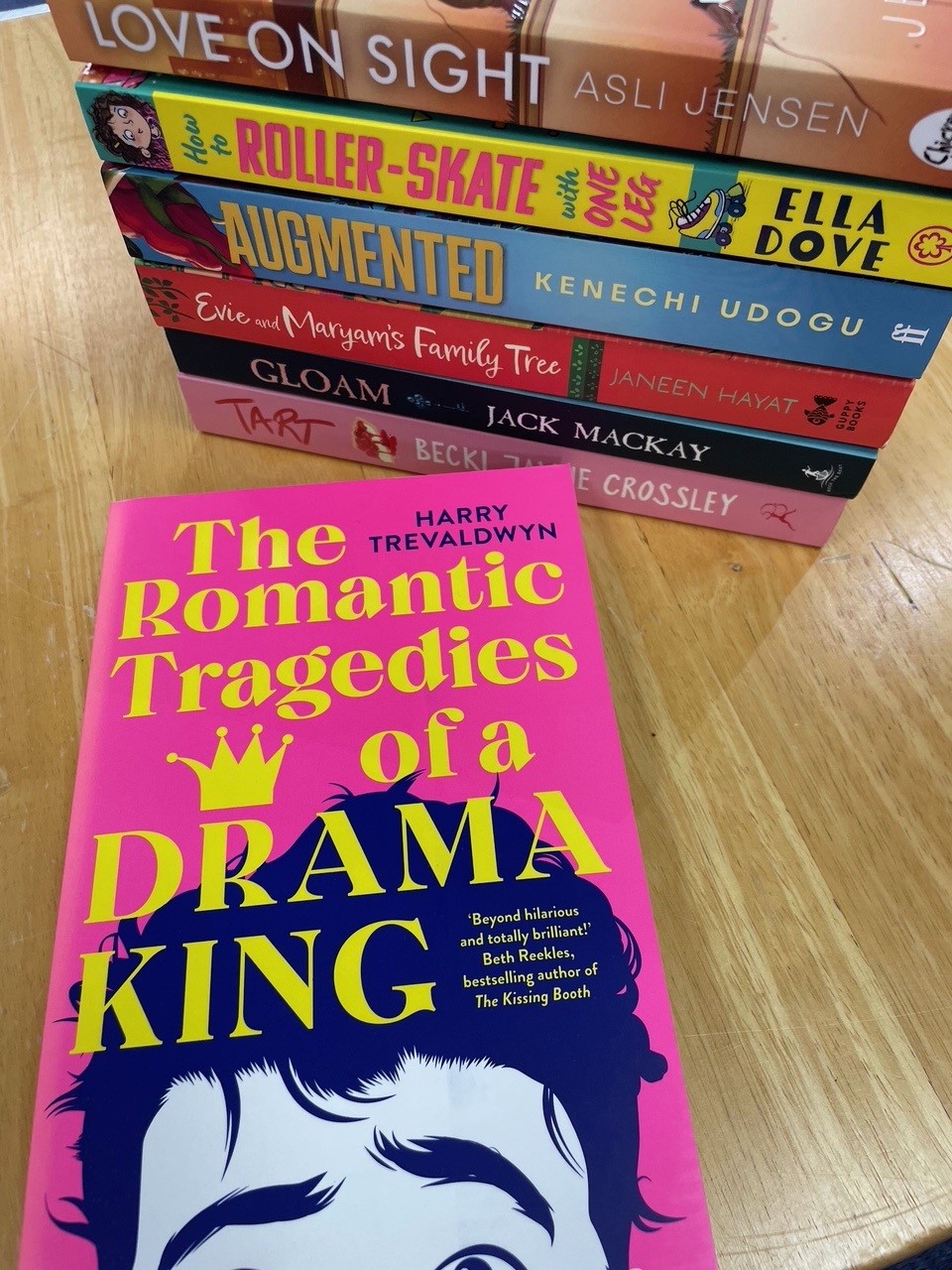
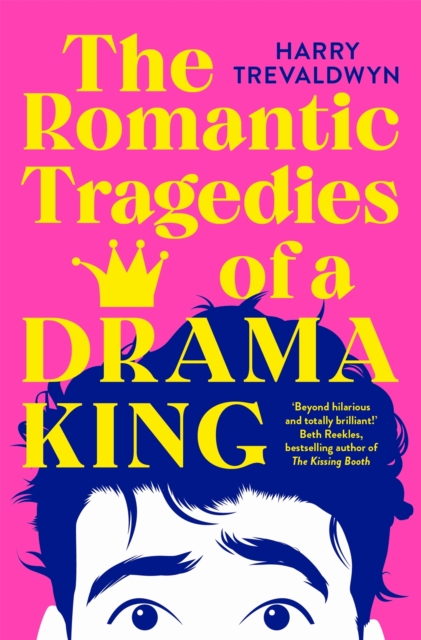
Many thanks to Harry, Charlie and Emma for answering our questions about Harry’s debut novel The Romantic Tragedies of a Drama King. You can find out more about this book below and catch up with all the Branford Boase shortlist books on our Book Awards page here.