CPD macbeth

Getting the Most from Shakespeare’s Macbeth in the Secondary English Classroom

1000008189

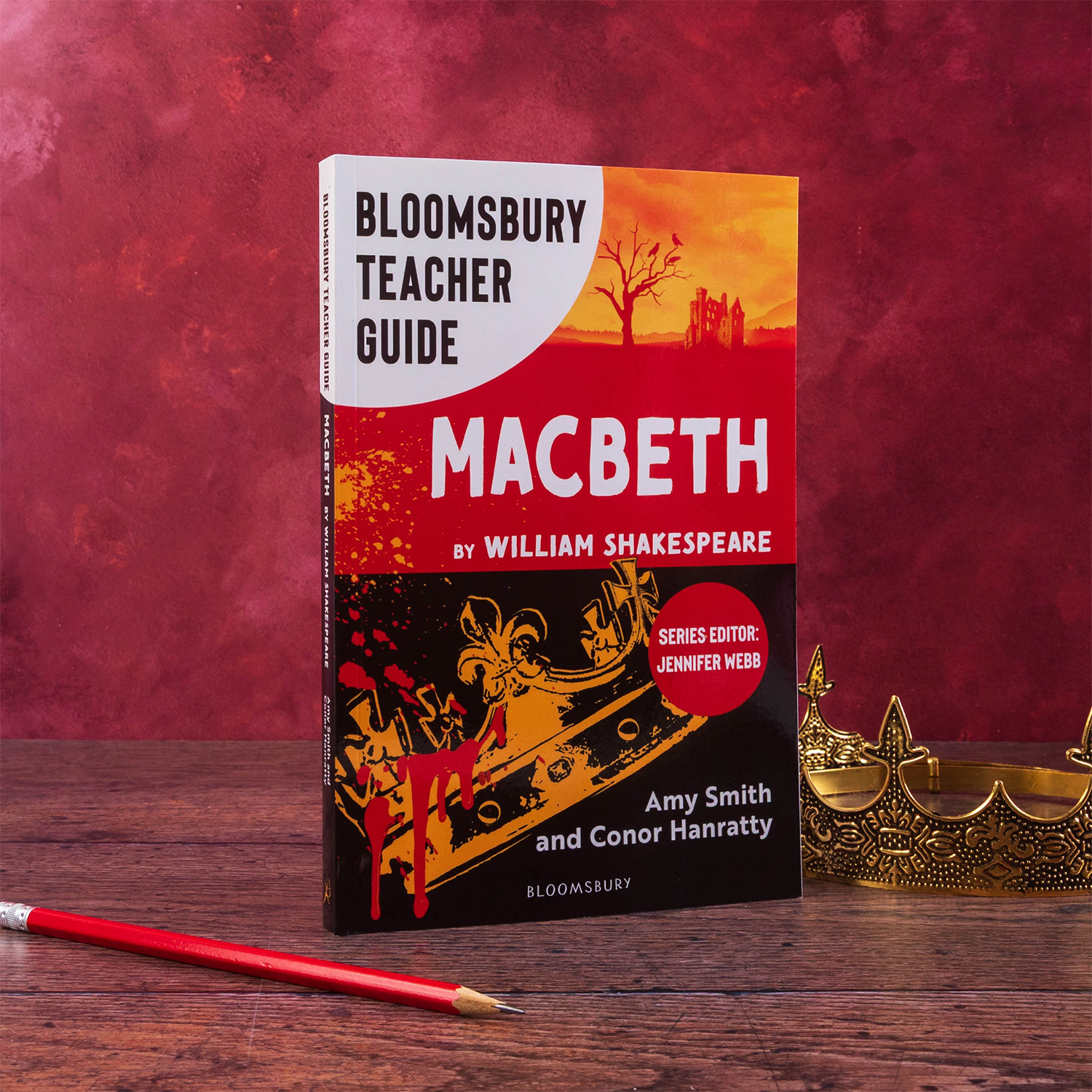
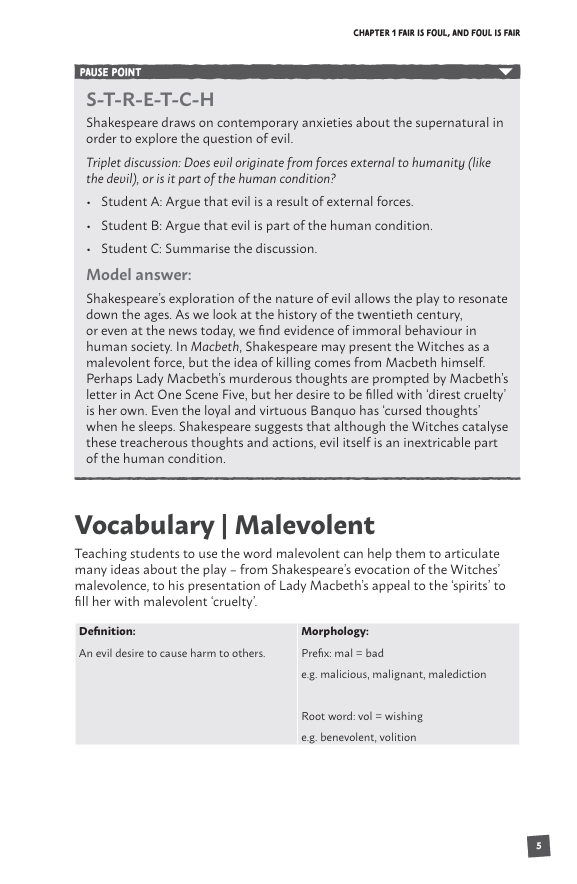
Amy Smith is a secondary English teacher passionate about teaching English Language and Literature.  She has co-authored Bloomsbury’s Teacher Guide: William Shakespeare’s Macbeth with Conor Hanratty.

Below Amy shares some some insight into introducing Macbeth in an accessible way.

~

NEWMB1NEWsq

“The words don’t make any sense”: an inclusive approach to teaching Macbeth

It is September, and the summer quiet is shattered as Year 11 students pile into the classroom, carelessly strewing their bags and blazers on floors or the backs of chairs. You call for silence: the hurly-burly is done. Books are passed out, pens uncapped, dates and titles written and underlined.

Over the years you have gradually refined your introductory lesson on Macbeth, so that now it is a thing of beauty: students will emerge from your classroom in 60 minutes’ time, still enthusiastically discussing how easily power can become a corrupting force. Or, perhaps, this is your first GCSE class. In which case, you have painstakingly mapped out each pause point, question, and activity – you want to get this right, engaging your students’ enthusiasm from the outset.

Because, whether you have been teaching for years or are making your first foray into the world of education, there is nothing like studying Macbeth in the classroom. This 400-year-old play has it all: from the psychodrama of the opening scenes, to the protagonist’s descent into brutality, and then the gradual crescendo of guilt. If that wasn’t enough, there are moments where Shakespeare articulates despair and nihilism with heart-rending precision.

Yet, before long, a student puts their hand up. “What’s the point of studying this, when the words don’t make any sense?”

It would be easy to dismiss this student’s question, particularly when it is a near-ubiquitous complaint from young people encountering Renaissance drama. Obviously there is a point to studying Shakespeare, and the words will start to make sense if they give it a go. Isn’t that right?

Why don’t the words make sense?

In modern world, the challenges teachers face when introducing Shakespeare are becoming ever more acute. Whilst the National Literacy Trust have recently reported a slight uptick in students’ attitudes to reading, the numbers remain low: only 1 in 3 children and young people report enjoying reading in their free time, whilst only 1 in 5 read daily. The Trust’s findings also reveal that the age group who spend the least time reading are aged 14 to 16 – precisely the time when our young people study Shakespeare in depth for their GCSEs. If many students’ enjoyment and time spent reading remains low, so too will their reading resilience, and so they will find it difficult to tackle complex texts such as Macbeth.

Whilst I have written elsewhere about strategies to inspire young people to read more, these are long-term projects which require unfailing determination from teaching staff and families. Being part of this slow cultural shift is unlikely to help in the immediate future. One aspect of modern society which amplifies this challenge is the reduction in the quantity and quality of verbal discussion; dinner-table conversation seems to be increasingly replaced by doomscrolling, and phone calls have been superseded by quick-fire messages. This particular change in social dynamics might well be accompanied by a decline in nuance and an appreciation of the complexities of spoken language. As James Britton’s often-quoted wisdom states, “reading and writing float on a sea of talk”, and so developing students’ oracy in the classroom is absolutely essential when teaching a play such as Macbeth.

Alongside this is the need to create classrooms which are inclusive for all – including disadvantaged students and students with SEND. As teachers, we want to inspire and enrich the lives of every student, but we know that some young people walk through our classroom doors facing more obstacles to learning than others. Therefore, we need to design our curriculums and teaching not just to meet the needs of each individual, but also to make their hearts sing with what one of my students describes as “the glory of English”.

Making the words make sense

Conor and I have written our book with these aims and challenges in mind. We want young people to relish studying Macbeth, to become excited by the plot and characters, to feel inspired by Shakespeare’s command of language, and to write about their ideas and opinions with confidence.

Our journey to inclusive teaching starts with curriculum design. As you read our book, you will find that we have chosen a knowledge-rich, spiral approach informed by cognitive science. Each piece of information, vocabulary, and key quotation has been carefully selected and sequenced so that students incrementally build, revisit and rehearse their knowledge and skills, meaning that it will become securely encoded in their long-term memories.

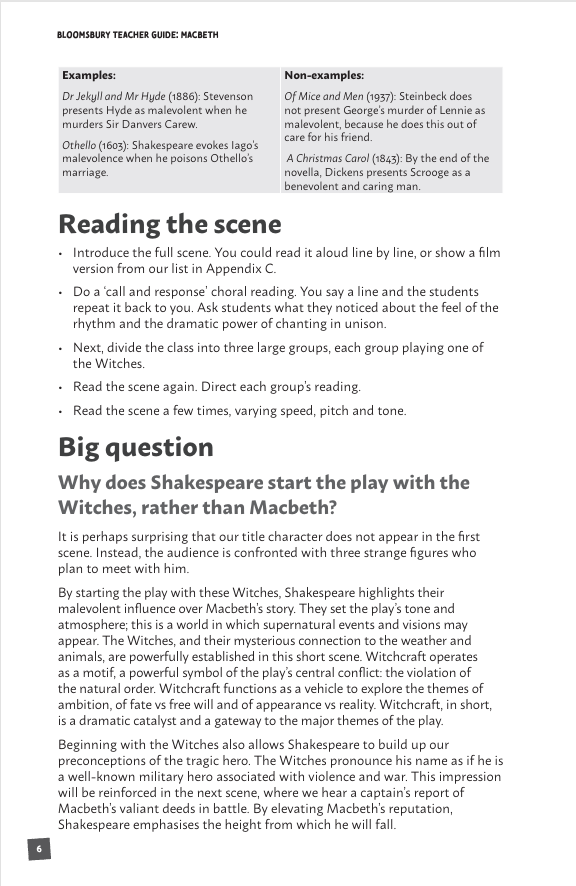
To support you in putting this curriculum in place, in our book we have included many classroom-ready activities to support reluctant or struggling readers. For example, one of these strategies is the Frayer Model, which you can read more about here and which I also explain in one of the online downloads that accompanies the book. This method of teaching vocabulary allows students to deepen their understanding of the nuances of words, rather than just memorising definitions.

Alongside our research-informed approach to curriculum design, Conor and I have delighted in the opportunity to include a range of oracy and drama activities. These are designed to promote verbal discussion skills, as well as to ignite engagement and interest as students learn to articulate their own opinions, or grow in confidence in their ability to read Shakespeare’s language dramatically.

We hope that our book and online resources will help you to meet the challenges of teaching Macbeth in 2026 with joy, because there is a point to teaching this fabulous play. As students delve into Shakespeare’s theatre, they not only develop an understanding of the beauty of the English language, but can also start to learn one of the most important lessons of all: how the mind works, with all its ambitions and regrets.

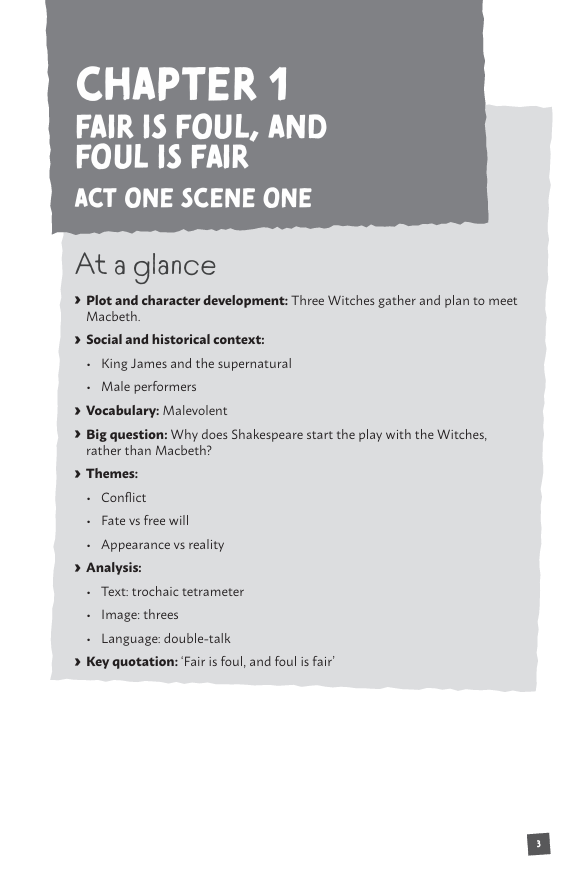
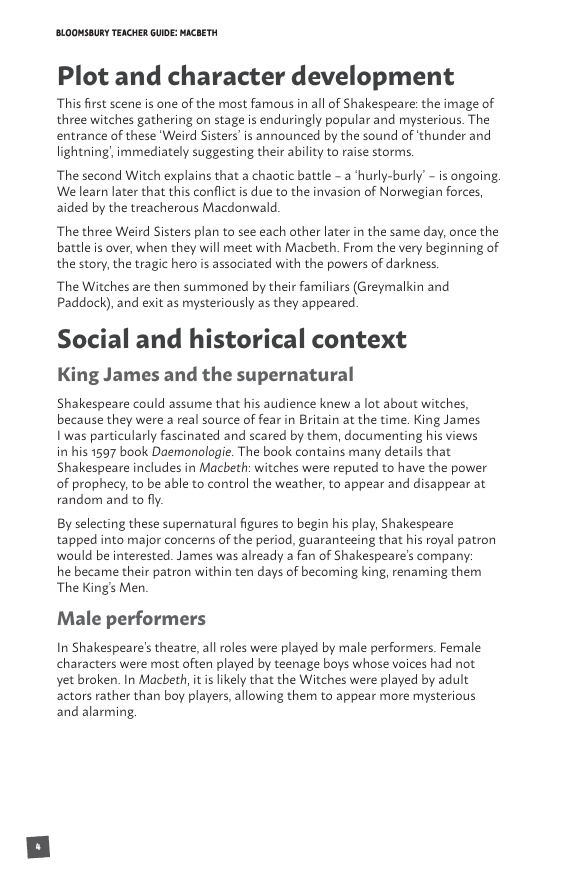
See Inside Bloomsbury Teaching Guide: William Shakespeare’s Macbeth

Amy and Conor’s resource Bloomsbury Teaching Guide: William Shakespeare’s Macbeth is available now with schools saving 30% on RRP.

Shakespeare's Macbeth Popular School Editions

ISBN: 9781107615496
Original price was: £8.95.Current price is: £7.16.
Available

ISBN: 9780198324003
Original price was: £7.99.Current price is: £5.59.
Available

ISBN: 9780702319587
Original price was: £7.99.Current price is: £5.75.
Available

ISBN: 9781292729367
Original price was: £6.75.Current price is: £5.74.
Available

ISBN: 9780008363604
Original price was: £3.00.Current price is: £2.10.
Available
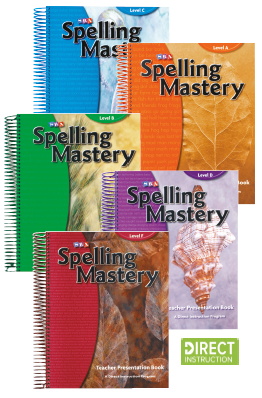
Spelling_Mastery_All

What’s On: Spelling Mastery Intro Workshop

Awareness FEATURE NFN

Booklists for Schools: Non Fiction November

New Title Shelf Feature Oct

New Title Shelf: October

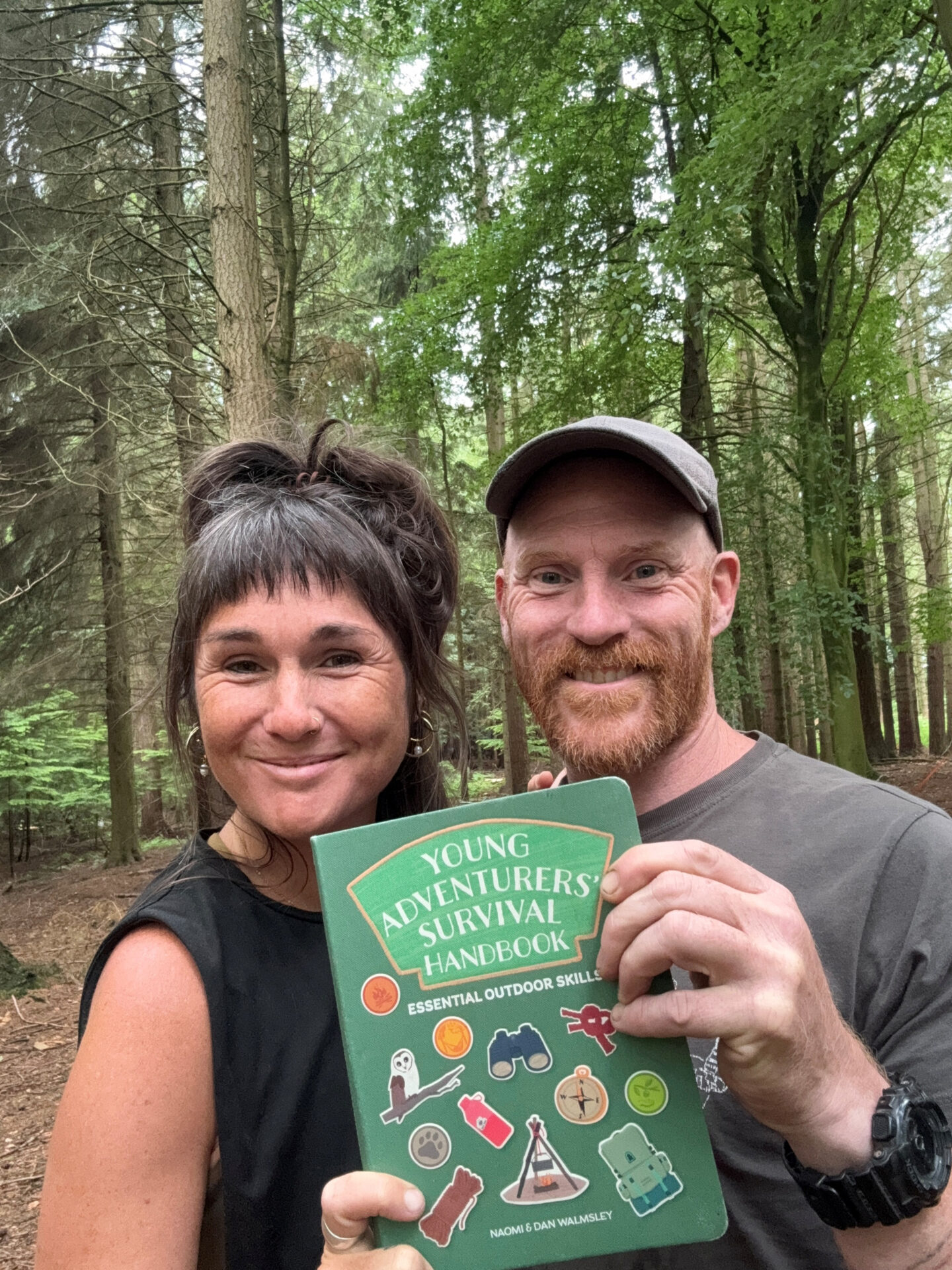
Naomi&Dan Walmsley w Young Adventurers Survival Handbook 2ndJune2026

From the Writer’s Block: Naomi & Dan Walmsley