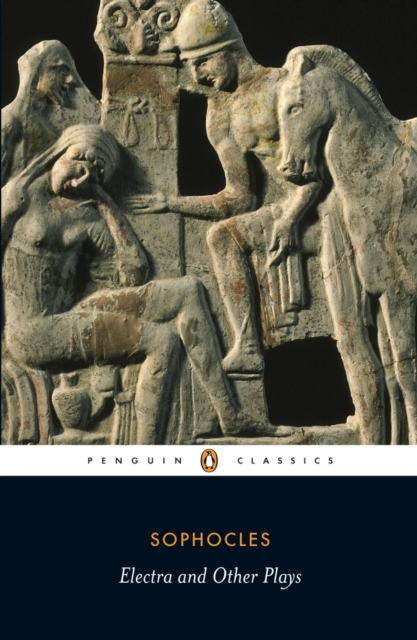
Sophocles possessed a rare gift: the ability to take figures from Greek myth and press on them until something unmistakably human emerged. This collection, translated by David Raeburn with an introduction and notes by Pat Easterling, brings together four tragedies that show that gift at its fullest stretch. Ajax follows a warrior of fearsome reputation as battlefield humiliation tips him into homicidal fury and, ultimately, self-destruction. In Women of Trachis, the great hero Heracles meets an agonising end — not through any enemy’s hand, but through the tragic miscalculation of his jealous wife Deianeira, who seeks only to win back his love. Electra returns to the house of the murdered Agamemnon, where his grief-stricken children hatch their plan of revenge, while Philoctetes sets a morally complex trap: the wily Odysseus dispatches the young, honourable Neoptolemus to persuade a celebrated archer to rejoin the Greek campaign against Troy, with results that test every character involved. Raeburn’s translation honours the rhythms of the original Greek while remaining fully accessible to modern readers. Easterling’s introduction examines the workings of Athenian dramatic festivals and explores the structure and tensions of the plays themselves, supplemented by a chronology, further reading, prefaces to each play and notes. Sophocles (496–405 BC) was born at Colonus, near Athens, and lived through both the rise and the fall of the Athenian Empire. A friend of Pericles and of Herodotus, he held public office in both military and civil capacities, led a literary circle, and wrote over a hundred plays across his long career, winning the City Dionysia eighteen times. Only seven of his tragedies survive, among them Antigone, Oedipus Rex, Ajax and Oedipus at Colonus. Also available in Penguin Classics: Sophocles’ The Three Theban Plays.
ISBN 13: 9780140449785
Author: Sophocles